
Everyday Challenges That Help Children Become Better Problem-Solvers
A child can't fit all their toys into a box. Another tries to build a tower that keeps falling. Someone else is getting frustrated because their shoes are on the wrong feet.
These moments might seem too ordinary to matter. Yet everyday life offers children countless opportunities to figure things out, try different approaches, and discover that a problem can have more than one solution.
Problem-solving isn't simply about finding the correct answer. It involves noticing a difficulty, thinking about what might help, trying an approach, and adjusting when something doesn't work. Children develop these skills gradually, through experience, relationships, play, and opportunities to practice.
Parents don't need to create complicated challenges or turn every household task into a lesson. Sometimes, the most helpful thing is to resist the urge to fix a small problem immediately and give a child a little time to work through it.
Here are everyday challenges that can help children practice problem-solving, along with practical ways to support them without taking over.
Why Everyday Challenges Matter
Children encounter problems long before they can explain how they solve them. A toddler may try different ways to reach a toy. A preschooler may experiment with puzzle pieces. An older child may work out how to organize a school project or negotiate the rules of a game.
These experiences provide opportunities to practice planning, flexible thinking, attention, decision-making, and managing frustration.
Harvard University's Center on the Developing Child explains that executive function and self-regulation skills develop through experience and practice. Activities that invite children to plan, remember information, adapt their approach, and work toward a goal can help them practice these abilities.
The American Academy of Pediatrics also highlights the role of play in problem-solving. Children benefit from opportunities to encounter manageable difficulties while adults provide support when needed.
The key is finding the right balance: a challenge that is meaningful enough to invite thinking, but not so difficult that a child feels overwhelmed.
10 Everyday Challenges That Build Problem-Solving Skills
1. Getting Dressed Independently
Putting on a shirt, fastening a zipper, or working out which shoe goes on which foot involves several small decisions. Children must notice what is happening, coordinate their movements, and adjust when something doesn't work.
Instead of immediately finishing the task for them, try asking, “What part is tricky?” You might demonstrate one step or help position the garment, then let your child continue.
Allow extra time whenever possible. Learning a new skill can be frustrating when everyone is rushing out the door.
2. Building With Blocks
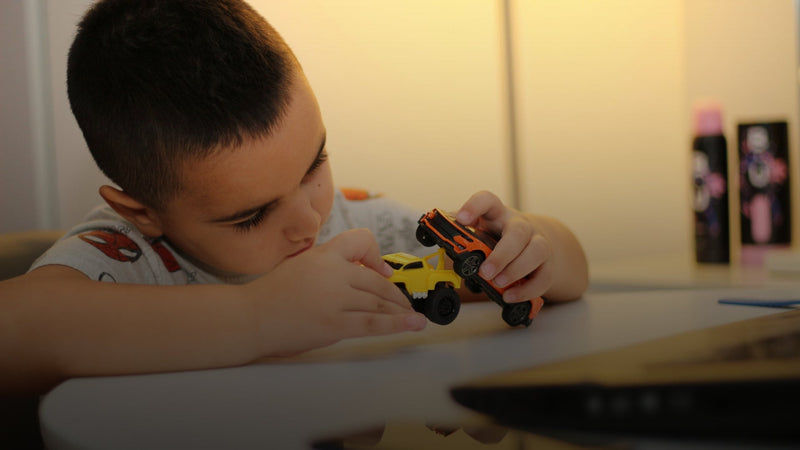
A tower that falls or a bridge that won't stay in place creates a natural problem to investigate.
Ask your child what they notice. Is the base too narrow? Are the blocks uneven? Would a different arrangement help?
You don't need to provide the correct design. Let your child test ideas and discover which structures work best for their purpose.
If frustration builds, offer a hint or build alongside them rather than taking over the entire project.
3. Completing Puzzles
Puzzles invite children to compare shapes, notice patterns, and decide where a piece might fit.
If your child struggles, resist the urge to place the piece for them immediately. You might say, “Let's look at the edges,” or “Which part of the picture matches this color?”
For younger children, choose puzzles with a manageable number of pieces. Older children may enjoy more complex puzzles, mazes, or brain teasers.
The goal isn't to finish as quickly as possible. It's to practice noticing, comparing, and trying again.
4. Organizing Toys and Belongings
A cluttered toy basket can become an opportunity to make decisions.
Ask your child how they would like to organize the items. They might group toys by type, color, size, or the way they are used.
If everything doesn't fit, help them consider alternatives: a different container, a new arrangement, or deciding which items belong elsewhere.
This turns tidying into a practical planning challenge rather than simply an instruction to clean up.
5. Helping With Simple Food Preparation
Preparing a snack involves sequencing, choosing materials, and noticing what needs to happen next.
An older child might assemble a sandwich from prepared ingredients. A younger child could help wash fruit or place suitable items on a plate with supervision.
If something goes wrong, such as a topping spilling, ask what could help. Keep knives, heat, choking hazards, and other safety considerations appropriate to the child's age.
Cooking together provides an everyday setting for children to practice following steps and adapting to small problems.
6. Finding a Missing Item
When a favorite toy or school item goes missing, children can practice retracing their steps.
Instead of searching immediately, ask, “Where do you remember using it last?” or “What did you do after you finished playing?”
Help your child work through the possibilities. If needed, search together and model a calm, systematic approach.
You can also demonstrate your own thinking: “I had my keys near the door, so I'll check there first.”
Children learn not only from solving their own problems but also from watching adults work through theirs.
7. Making a Game Work for Everyone
Playing with siblings or friends often involves disagreements about rules, turns, or who gets to choose the next activity.
Rather than deciding every dispute, help children describe the problem and suggest possible solutions.
You might ask, “What does each person want?” followed by, “What could make this fairer?”
Young children may need help taking turns speaking or considering another person's perspective. Adults should intervene when safety, aggression, or persistent distress requires it.
The aim is to help children practice communication and negotiation while knowing that an adult is available to support them.
8. Creating Something With Everyday Materials
Give your child cardboard, paper, blocks, or other safe materials and invite them to make something: a bridge, a vehicle, a pretend shop, or a shelter for a stuffed animal.
When their design doesn't work, ask what they might change.
This kind of open-ended activity encourages children to define the problem themselves. They may try several solutions, change their original plan, or discover a new idea along the way.
There doesn't have to be one correct result. Sometimes, changing the plan is the solution.
9. Planning a Small Family Activity
Let your child help plan a simple activity, such as a picnic, a library visit, or a family game afternoon.
Ask what you'll need, what should happen first, and what you might do if the weather changes or a necessary item is missing.
Younger children can make simple choices between options. Older children might help create a list, organize materials, or suggest an alternative plan.
Planning gives children opportunities to think ahead and consider how decisions affect what happens next.
10. Working Through a Difficult Moment
Problem-solving isn't only about objects and tasks. Children also encounter social and emotional difficulties.
A child may feel left out of a game, become upset when a drawing doesn't match their idea, or struggle when a friend wants something different.
Before rushing to fix the situation, acknowledge the feeling. Then, when the child is ready, help them consider possible next steps.
You might say, “That sounds disappointing. Would you like to talk about what happened and think about what you could try?”
When emotions are intense, children may need comfort and time to settle before they can consider solutions. Supporting the feeling is part of helping them approach the problem.
How to Help Without Solving Everything for Your Child
Giving children opportunities to problem-solve doesn't mean leaving them to struggle indefinitely. Effective support changes with the child, the task, and the situation.
Try these approaches:
-
Pause before stepping in. If the situation is safe, give your child a moment to decide what to try.
-
Describe what you notice. “The bridge keeps tipping to one side” can help a child focus on the problem without telling them what to do.
-
Offer a small hint. Give enough help to make the next step possible, then allow your child to continue.
-
Invite several ideas. Ask, “What else could we try?” rather than insisting on the first solution.
-
Model your own process. Explain how you notice a problem, consider options, and adjust your plan.
-
Know when to step in. Safety concerns, overwhelming frustration, and problems beyond a child's current abilities call for more direct support.
The American Academy of Pediatrics recommends allowing children some space to work through manageable problems while adults provide scaffolding when needed. The aim isn't to remove support; it's to make room for children to participate.
What If Your Child Gets Frustrated or Gives Up?
Problem-solving can be uncomfortable. A child may become upset when their idea fails or feel that they should already know what to do.
Start by acknowledging the frustration rather than insisting that they keep trying.
“You wanted that to work, and it's disappointing that it didn't.”
Then offer choices: try a smaller step, ask for help, take a break, or return to the task later.
Some challenges are simply too difficult at a particular moment. Making a task easier is not a failure; it can help a child experience progress and build the skills needed for a more difficult attempt later.
Avoid comparing your child's pace with another child's. Children develop different strengths, interests, and levels of confidence. The aim is to support their individual learning, not to prove that they can manage everything alone.
How Play Creates Opportunities to Solve Problems
Play naturally invites children to make decisions, change plans, and respond to unexpected situations. A block structure falls, a pretend shop runs out of supplies, or an imaginary explorer needs to cross a river.
These problems can be engaging because children have some control over how they respond.
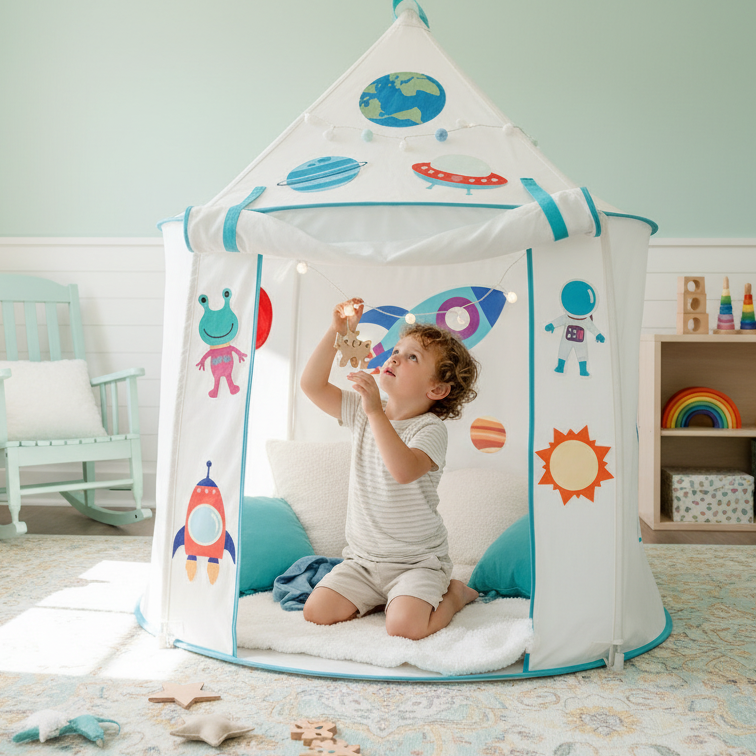
Families using ZeeZee Adventures can transform a familiar play tent into different imaginative settings, giving children fresh scenarios to explore. A castle might need a bridge, a space mission might require a new plan, or an imaginary expedition might need supplies.
The value lies in the opportunity to invent and adapt, not in achieving a particular developmental result. The same kind of exploration can happen with ordinary household materials, blocks, books, and pretend play.
Frequently Asked Questions
At what age can children start learning problem-solving skills?
Children begin exploring problems in infancy, such as reaching for an object or discovering how an item moves. The challenges become more complex as they grow. Choose activities that match the child's current abilities and interests.
Should parents let children struggle with a problem?
Allow manageable frustration when the situation is safe, but don't leave a child overwhelmed. Offer encouragement, hints, or direct help when needed.
What are simple problem-solving activities for children at home?
Building with blocks, completing puzzles, organizing toys, preparing simple snacks, making things from cardboard, and planning family activities can all provide opportunities to practice.
How can I help a child who gives up quickly?
Acknowledge their frustration, break the task into smaller steps, and offer a choice of how to continue. Shorter challenges and visible progress may make it easier to re-engage.
Does problem-solving happen through pretend play?
Yes, pretend play can offer opportunities to plan, negotiate, imagine alternatives, and adapt a story when something unexpected happens. Children benefit from room to lead the play as well as adult support when appropriate.
Let Everyday Problems Become Opportunities
Children don't need a childhood filled with difficult tasks to learn problem-solving. They need ordinary opportunities to make choices, test ideas, adjust plans, and ask for help.
The next time a puzzle piece doesn't fit, a tower falls, or a disagreement interrupts play, consider pausing before providing the solution. Offer a little time, a useful question, or a small hint.
Sometimes your child will discover an answer. Sometimes they'll need your help. Sometimes they'll decide to try something entirely different.
All of these outcomes can be part of learning.
At ZeeZee Adventures, we value the imaginative possibilities of child-led play, where children can change the story, explore ideas, and decide what happens next. But problem-solving doesn't need a special setting. It can begin with getting dressed, preparing a snack, finding a missing toy, or figuring out how to make a game fair.
The everyday challenges children encounter are not always obstacles to remove immediately. With appropriate support, they can also become opportunities to practice thinking, adapting, and finding a way forward.





Comment (0)