

Indoor Toddler Activities for Rainy Days
Simple, screen-free ideas to keep little hands busy, little bodies moving and little minds exploring when the rain keeps everyone indoors.
Introduction
Rainy days can be challenging when you have a toddler.
The usual trip to the park is cancelled. The garden is too wet. Energy levels keep rising, and before long you hear those familiar words:
"I'm bored."
It can be tempting to reach for a screen.
Sometimes that's exactly what a tired family needs. But rainy days can also become an opportunity to slow down and discover a different kind of play.
Toddlers don't need elaborate entertainment.
They need opportunities to move, touch, build, imagine, communicate, and experiment.
And you probably already have many of the materials you need at home.
A cardboard box can become a train.
A blanket can become a cave.
A few cushions can become an obstacle course.
A bowl of water can become an afternoon of sensory exploration.
The secret is not having endless activities prepared.
It is knowing how to turn ordinary materials into invitations to play.
Quick Answer
The best indoor toddler activities for rainy days are simple, hands-on, and flexible. Try building with blocks, creating a blanket den, setting up a cushion obstacle course, exploring water, making simple art, reading stories, playing pretend games, sorting household objects or creating a cosy independent-play space. The aim is not to keep toddlers constantly occupied, but to give them opportunities to explore, move and use their imagination without relying entirely on screens.
Why Rainy Days Can Be Good for Play
A rainy day changes the rhythm of family life.
There may be fewer plans.
Less rushing around.
More time at home.
For toddlers, that slower pace can create opportunities for uninterrupted play.
Instead of moving from one activity to another, your child might spend twenty minutes building the same tower, repeatedly pouring water between containers or creating an imaginary world with a few soft toys.
That repetition matters.
Toddlers learn through doing things again and again.
They experiment.
They make mistakes.
They adjust their approach.
They discover what happens next.
So instead of seeing a rainy day as a problem to solve, think of it as an invitation to create a little more space for play.
What Makes a Good Rainy-Day Activity?
The best indoor activities for toddlers tend to be:
-
Simple to set up.
-
Appropriate for your child's developmental stage.
-
Hands-on.
-
Flexible.
-
Easy to repeat.
-
Open-ended where possible.
-
Engaging without requiring constant adult direction.
You also do not need to plan activities back-to-back.
A morning might include one active game, some quiet reading, and a period of independent play.
That's enough.
1. Build a Blanket Den
Grab a few blankets and cushions and create a simple den.
Your toddler can decide what happens inside.
It could become a house, a cave, a reading corner, or a spaceship.
What it supports: imagination, spatial awareness, and pretend play.
Make it more interesting: Take a few favourite books or soft toys inside and let your child create the story.
2. Create a Cushion Obstacle Course
Use cushions and other safe, soft objects to create a simple indoor route.
Your toddler can crawl underneath, walk around, step over, or move between them.
What it supports: balance, coordination, movement, and body awareness.
Keep the course simple and supervise closely.
3. Have a Dance and Freeze Party
Put on some music and dance together.
Then pause the music and freeze.
Start again.
Repeat as often as your toddler enjoys it.
What it supports: listening, rhythm, movement, and self-control.
Let your toddler take a turn choosing when everyone freezes.
4. Go on an Indoor Treasure Hunt
Choose a familiar object and hide it somewhere safe.
Then give your toddler simple clues.
"It's near something soft."
"Look under something."
What it supports: language, memory, movement, and problem-solving.
5. Build a Block City
Bring out a collection of large, age-appropriate building blocks.
Instead of asking your child to build a specific structure, let them decide what their city needs.
A house.
A bridge.
A tower.
A road.
What it supports: creativity, spatial reasoning, problem-solving, and imaginative play.
6. Create a Toy Animal Safari
Place toy animals around a room.
Pretend you are exploring a jungle.
Can your toddler find the elephant?
Where is the lion?
Who is hiding?
What it supports: vocabulary, movement, observation, and pretend play.
7. Try Water Pouring
A shallow container of water and a few suitable cups can provide an absorbing sensory activity.
Let your toddler pour water between containers.
What it supports: hand-eye coordination, concentration, and cause-and-effect exploration.
Always supervise water play closely.
8. Make a Texture Basket
Collect safe household objects with noticeably different textures.
Soft fabric.
Smooth wood.
A textured ball.
A fluffy toy.
Talk about how each object feels.
What it supports: sensory awareness, descriptive language, and curiosity.
9. Have a Scribble Session
Put paper and washable crayons somewhere accessible.
Then let your toddler make marks.
There is no picture they need to create.
No colouring inside the lines.
Just exploration.
What it supports: early mark-making, fine motor control and creative expression.
10. Make a Sticker Story
Give your toddler large, age-appropriate stickers and a sheet of paper.
Let them place the stickers wherever they want.
When they're finished, ask what is happening in the picture.
What it supports: fine motor skills, imagination, vocabulary, and storytelling.
11. Read a Favourite Book Differently
Choose a book your toddler already loves.
Instead of simply reading it from beginning to end, explore the illustrations.
Point out objects.
Make observations.
Ask simple questions.
"Where is the dog?"
"What is she holding?"
What it supports: vocabulary, listening, and early literacy.
And if your toddler wants to hear the same story again?
Read it again.
12. Turn the Living Room Into a Pretend Shop
Use safe household objects as pretend groceries.
A basket becomes the shopping basket.
A small table becomes the shop counter.
Take turns being the customer and shopkeeper.
What it supports: language, social understanding, imagination, and early numeracy concepts.
13. Match the Socks
Rainy days are perfect for turning ordinary household jobs into playful learning.
After laundry, place several pairs of socks together and invite your toddler to find the matches.
What it supports: visual discrimination, matching, and participation in everyday routines.
14. Make a Sorting Game
Gather a small collection of safe household objects.
Sort them by one characteristic.
Big and small.
Soft and hard.
Light and dark.
What it supports: observation, categorisation, and early reasoning.
Don't worry about getting the "right" answer.
Let your child explore.
15. Create a Cardboard Box Adventure
Never underestimate a cardboard box.
With a little imagination, it can become almost anything.
A car.
A train.
A house.
A rocket.
A boat.
What it supports: creativity, pretend play, and problem-solving.
Let your toddler decide what the box becomes.
16. Play "What's Missing?"
Put a few familiar objects on the floor.
Let your toddler look at them.
Then remove one while they are not looking.
Ask:
"What's missing?"
Start with just two or three objects.
What it supports: memory, attention and vocabulary.
17. Make an Indoor Animal Parade
Choose a few favourite toy animals.
Line them up.
Then march around the room making their sounds.
What it supports: movement, imitation, language and imaginative play.
18. Build and Knock Down
Build a simple tower together.
Then let your toddler knock it down.
Build again.
Knock it down.
Repeat.
What it supports: cause and effect, coordination and persistence.
Sometimes repetition is exactly what toddlers need.
19. Create a Cosy Reading Corner
Rainy days are perfect for slowing down.
Choose a comfortable corner.
Add some cushions and a small selection of favourite books.
Let your toddler choose what to read.
What it supports: early literacy, independence and quiet concentration.
20. Make a Pretend Picnic
Put a blanket on the floor.
Bring out some pretend food or safe household objects.
Invite your toddler to prepare a picnic.
Who is coming?
What are they eating?
Where are you going?
What it supports: language, imagination, sequencing, and social understanding.
Don't Try to Fill Every Minute
One of the biggest mistakes parents can make on rainy days is trying to schedule the entire day.
You don't need to.
Toddlers benefit from rhythm, but they also need unstructured time.
Try alternating between different types of experiences.
Move.
Create.
Rest.
Explore.
Play independently.
This can make the day feel much more manageable for everyone.
How to Encourage Independent Play on Rainy Days
If your child constantly asks you to play, start by joining them.
Build something together.
Read a book.
Create the beginning of a pretend game.
Then gradually step back.
You might say:
"I'm going to make a cup of tea. You can keep building if you'd like."
Stay nearby.
Give them time.
Independent play is a skill that develops gradually.
It should feel like an invitation rather than a demand.
Make the Most of a Dedicated Play Space
Rainy days are often when having a dedicated play environment becomes particularly useful.
A familiar space can give children somewhere to retreat to when outdoor play isn't possible.
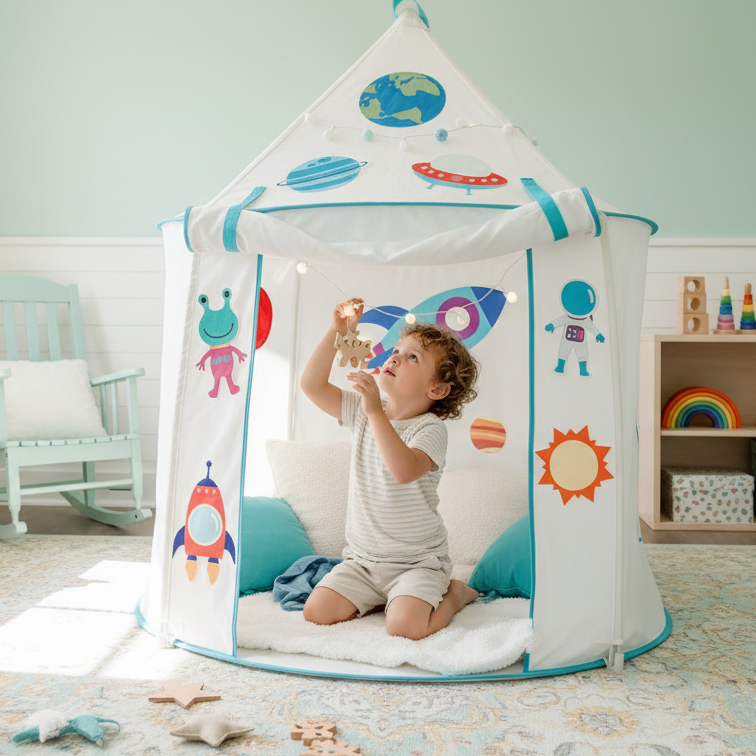
The ZeeZee Adventure Tent is designed as a calm, sensory-friendly space for reading, imaginative play and independent exploration.
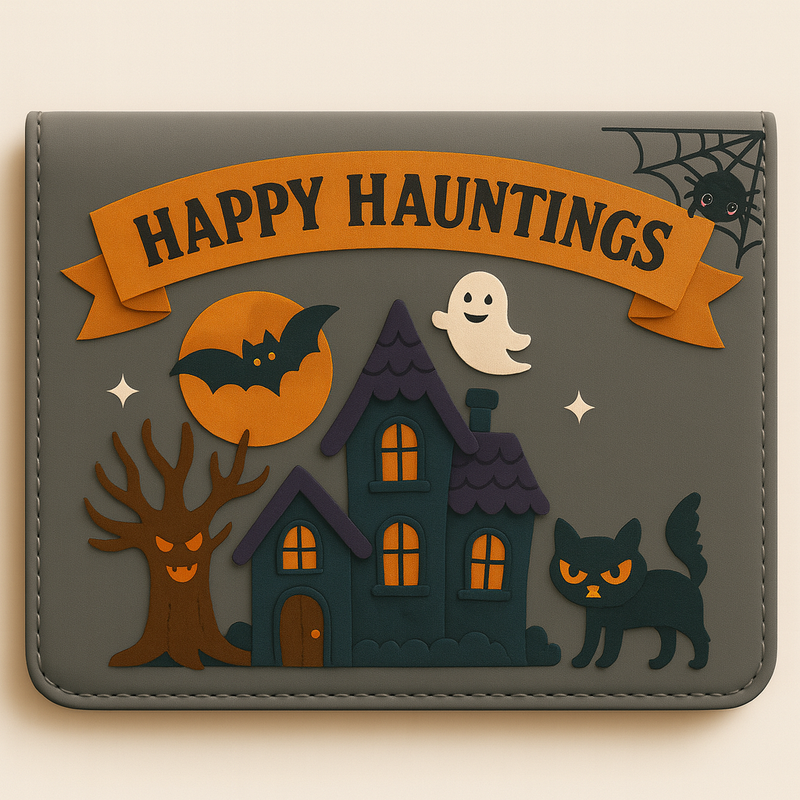
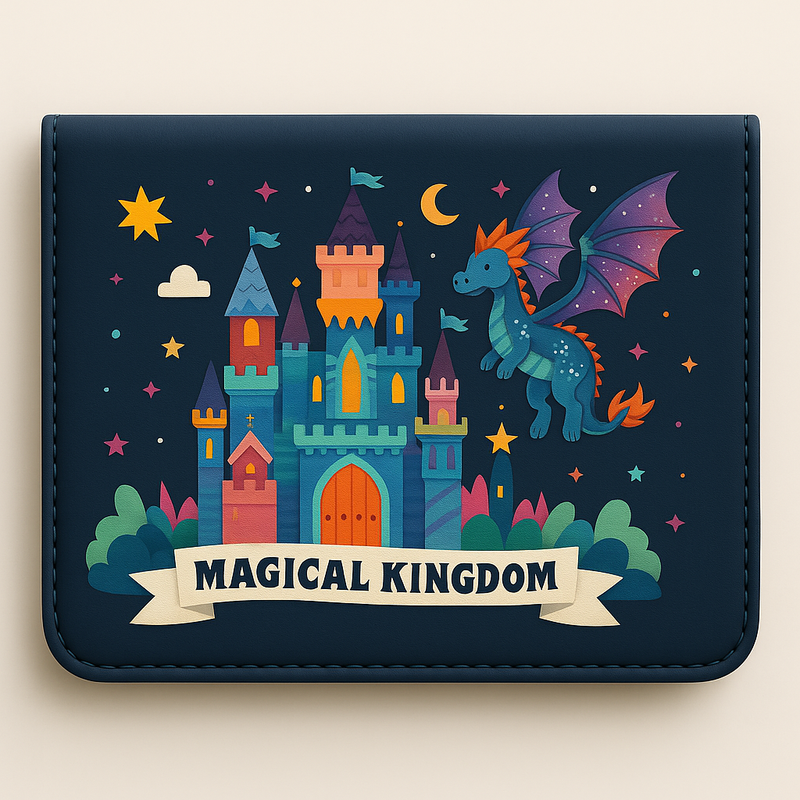
Its interchangeable StickeeZ themes allow the same tent to become different imaginary settings.
One rainy afternoon it might be a jungle expedition.
Another day it might be a castle.
It could become a reading nook, a spaceship or a cosy hideaway.
The environment stays familiar.
The story changes.
And the child gets to decide what happens next.

A Rainy-Day Activity Doesn't Have to Be Perfect
Perhaps your carefully prepared activity lasts four minutes.
That's okay.
Your toddler may ignore the sensory setup and play with the container.
They may turn your obstacle course into a pretend restaurant.
They may abandon the craft and spend twenty minutes looking out of the window at the rain.
That's not failure.
That's toddlerhood.
Follow their curiosity.
The goal is not to complete a certain number of activities.
The goal is to create opportunities for meaningful play.
Final Thoughts
Rainy days don't have to mean endless screen time.
They can become opportunities for a different kind of childhood rhythm.
A blanket becomes a den.
A box becomes a spaceship.
A cushion becomes a stepping stone.
A few blocks become a city.
A book becomes the beginning of a story.
And suddenly, an ordinary afternoon at home becomes an adventure.
You don't need perfect materials.
You don't need expensive toys.
You don't need to entertain your toddler every minute.
Give them a safe environment.
Offer a few interesting possibilities.
Then give them something even more valuable:
time to play.
More Simple Ways to Play, Explore and Learn Indoors
Rainy days can feel long when you have a toddler.
There is only so much jumping on the sofa you can allow, only so many toys that seem interesting, and only so many times you can hear, "What can I do?"
But indoor play does not have to mean constantly finding something new.
Toddlers can spend surprisingly long periods exploring simple materials when they are given enough freedom to decide what happens next.
A cardboard box can become a house.
A bowl can become a pretend cooking station.
A few cushions can become a mountain.
A collection of soft toys can become a whole family.
The trick is to stop thinking of rainy-day activities as things you need to perform for your child.
Instead, think of them as invitations.
You provide the starting point.
Your toddler creates the adventure.
21. Make a Pillow Mountain
Place a few cushions or pillows on the floor and invite your toddler to climb over, around, and between them.
You can pretend you're exploring a mountain range together.
What it supports: balance, coordination, spatial awareness and imaginative play.
Extend the play: Let your toddler decide where the "mountain" goes next.
22. Have a Toy Wash Station
Set up a small basin with a little water and some washable, child-safe toys.
Give your toddler a cloth or suitable sponge and let them "wash" the toys.
What it supports: sensory exploration, coordination, practical life skills, and concentration.
Water activities require close adult supervision.
23. Create a Homemade Drum Set
You don't need musical instruments to make music.
Turn suitable household containers into pretend drums.
Tap gently with your hands or appropriate utensils.
Make different rhythms and let your toddler copy them.
What it supports: rhythm, listening, coordination and creativity.
24. Make a Colour Hunt
Choose a colour.
Ask your toddler to find safe objects around the room that match it.
"Can you find something blue?"
What it supports: colour recognition, observation, movement and vocabulary.
Let your child choose the next colour.
25. Build a Reading Fort
Combine books and imaginative play by creating a cosy reading den.
Add cushions, blankets and a few favourite books.
Let your toddler choose what to read.
What it supports: early literacy, imagination and independent play.
26. Play "What's That Sound?"
Sit together and listen carefully.
Can you hear the rain?
A car?
A washing machine?
Someone walking upstairs?
Talk about what you hear.
What it supports: listening, attention, vocabulary, and environmental awareness.
27. Make a Simple Puzzle Station
Choose one or two age-appropriate puzzles and put them somewhere accessible.
Let your toddler work on them independently or invite them to solve one together.
What it supports: concentration, visual reasoning, problem-solving, and persistence.
Don't immediately show them where every piece goes.
Give them time to experiment.
28. Create a Pretend Kitchen
You don't need a complete play kitchen.
A few safe household objects can be enough.
A bowl.
A wooden spoon.
A few pretend ingredients.
A small container.
Let your toddler prepare an imaginary meal.
What it supports: language, sequencing, imagination and practical-life play.
29. Make a Toy Hospital
Gather a few soft toys.
Tell your toddler that they need looking after.
Your child can pretend to examine them, give them blankets and help them "get better".
What it supports: empathy, language, imagination and social understanding.
30. Make a Simple Indoor Camp
Turn off some of the lights, build a cosy blanket space and pretend you're camping indoors.
You could read a story, talk about imaginary animals or pretend you're listening to sounds outside the tent.
What it supports: imagination, storytelling and social connection.
31. Create a Laundry Sorting Game
Bring out a small collection of clean laundry.
Ask your toddler to help sort items.
Socks together.
Towels together.
Small items together.
What it supports: categorisation, matching, vocabulary, and participation in everyday routines.
32. Make a Treasure Basket
Place several interesting, safe objects into a basket.
Let your toddler take them out one at a time.
Talk about what they notice.
"This one is smooth."
"This one is soft."
"This one is heavy."
What it supports: sensory exploration, vocabulary, and curiosity.
33. Build a Cardboard Tunnel
If you have a large cardboard box, open both ends to create a simple tunnel.
Your toddler can crawl through it.
Add some soft toys and turn it into part of an imaginary adventure.
What it supports: gross motor skills, spatial awareness, and pretend play.
Make sure the structure is stable and safe.
34. Have a Rainy-Day Yoga Game
Keep it playful rather than formal.
Stretch like a cat.
Reach like a tree.
Curl up like a sleeping hedgehog.
Stand tall like a mountain.
What it supports: balance, body awareness, movement, and imagination.
35. Make a Story From Three Objects
Choose three familiar objects.
Perhaps a spoon, a toy animal, and a ball.
Create a simple story using all three.
Then let your toddler change the story.
What it supports: vocabulary, sequencing, memory and imagination.
36. Create a Homemade Matching Game
Take pairs of familiar objects and place them together.
Mix them up.
Ask your toddler to find the matches.
What it supports: visual recognition, memory, concentration and categorisation.
37. Make a Window Watching Station
Rain itself can become an activity.
Sit near a window and watch the weather together.
Look at the drops.
Watch people with umbrellas.
Notice puddles.
Listen to the rain.
What it supports: observation, language, attention, and calm sensory engagement.
38. Make a Rainy-Day Drawing
Give your toddler paper and washable crayons.
Ask what they think the rain looks like.
Maybe they draw clouds.
Maybe puddles.
Maybe something completely unrelated.
That's fine.
What it supports: creativity, early mark-making, and self-expression.
39. Create a Storytelling Corner
Choose a comfortable space and gather a few soft toys and books.
Invite your toddler to tell you a story.
Don't worry if the story doesn't make sense.
Follow their ideas.
What it supports: language, imagination, memory, and confidence.
40. Let Your Toddler Choose
This might be the simplest activity of all.
Put three or four suitable activities in front of your toddler.
Ask:
"What would you like to do?"
Then follow their choice.
Giving children appropriate choices allows them to practise decision-making and gives them ownership of their play.
Rainy Days Are Perfect for Rotating Toys
If your toddler's usual toys have started to feel boring, you don't necessarily need to buy something new.
Try rotating them.
Put some toys away for a week or two.
Leave a smaller selection available.
Then swap them.
A familiar toy can suddenly feel interesting again.
This can also make your play space feel calmer and easier to navigate.
Try Creating a Rainy-Day Rhythm
Instead of planning dozens of activities, create a simple rhythm.
For example:
Morning
Move: obstacle course or animal walks.
Create: drawing or stickers.
Midday
Explore: water or sensory play.
Rest: books and quiet play.
Afternoon
Imagine: pretend play or a blanket den.
Independent play: accessible toys in a calm space.
You don't have to follow this schedule exactly.
The point is simply to balance different kinds of experiences.
You Don't Need to Entertain Your Toddler Constantly
This is particularly important on rainy days.
It can feel as though you need to keep producing activities.
You don't.
Children need moments of unstructured play too.
If your toddler has safe materials available, they can sometimes discover their own activity.
They might build.
Pretend.
Look through books.
Play with a soft toy.
Or simply watch the rain.
Those quieter moments can be valuable.
Encourage Independent Play Without Forcing It
If your toddler constantly asks you to play, start by joining them.
Help build the first part of a tower.
Start the pretend game.
Read the first few pages.
Then gradually step back.
You could say:
"I'm going to sit here while you keep building."
Or:
"You can decide what happens next."
The aim is not to suddenly leave your child alone.
It is to gradually increase their ownership of the play.
Create a Dedicated Rainy-Day Space
Having a familiar play space can make indoor days easier.
Children know where their books are.
They know where their favourite toys live.
They know where they can build.
They know where they can retreat for quiet time.
The ZeeZee Adventure Tent can become part of this environment.
It provides a cosy, sensory-friendly space where toddlers can read, imagine, play pretend or simply have some quiet time.
With interchangeable StickeeZ themes, the same familiar space can become a different imaginary world whenever your child wants.
On a rainy afternoon, it might become a jungle expedition.
Then a castle.
Then a spaceship.
Or simply a quiet reading nook.
The environment provides the starting point.
Your child's imagination does the rest.
When the Activity Doesn't Go According to Plan
It probably won't.
And that's okay.
You might prepare a beautiful sensory activity and find your toddler more interested in the empty container.
You might build a blanket den and have your child dismantle it immediately.
You might plan a treasure hunt and discover your toddler wants to read a book instead.
Don't worry.
The activity is not a test.
Your toddler doesn't need to complete it.
If they find something more interesting, follow them.
That flexibility is part of play.
Make Rainy Days About Possibility
A rainy day does not have to be a day of constant entertainment.
It can be a day for slower play.
A day for building.
A day for stories.
A day for sensory exploration.
A day for pretending.
A day for helping around the house.
And occasionally, a day for doing absolutely nothing.
Children don't need every moment to be productive.
They need opportunities to explore.
So when the rain starts falling, don't worry about creating the perfect activity.
Look around your home.
There is probably already an adventure waiting to happen.
Part 3: Making Rainy-Day Play Easier, Calmer and More Meaningful
By now, you have plenty of ideas to try when the weather keeps your toddler indoors.
But there is another side to rainy-day play that matters just as much as the activities themselves.
How do you keep the day manageable?
When toddlers spend more time indoors, it can be tempting to fill every minute with entertainment. One activity finishes, so another begins. Then another. Before long, everyone is tired and overstimulated.
You don't need to do that.
The best rainy-day routine usually includes a mixture of active play, quiet exploration, creative activities, connection, and unstructured time.
The goal isn't to keep your toddler busy from morning until bedtime.
It is to create enough opportunities for meaningful play while leaving room for your child to discover their own ideas.
41. Make a Simple Indoor Bowling Game
Use a few lightweight, safe objects as bowling pins and a soft ball.
Set them up at a suitable distance and let your toddler roll the ball.
What it supports: coordination, aiming, movement, and cause-and-effect understanding.
Let your toddler experiment with rolling the ball from different positions.
42. Create a Tape Road
Use removable painter's tape to create simple roads on the floor.
Your toddler can drive toy cars along the roads.
Add bridges, parking areas, or pretend buildings if they want to expand the story.
What it supports: imagination, spatial awareness, coordination and pretend play.
43. Make a Sock Puppet
Use clean socks to create simple puppets.
You don't need to make them elaborate.
Once you've created them, let your toddler give the puppet a voice and personality.
What it supports: language, imagination, storytelling and social expression.
44. Have a Kitchen Helper Session
Invite your toddler to help with a simple, age-appropriate kitchen task.
They might help wash produce, stir something with supervision, or carry safe utensils to the table.
What it supports: practical life skills, coordination, sequencing, and confidence.
The goal isn't speed.
It is participation.
45. Make a Shape Hunt
Look around the house for simple shapes.
Can your toddler find something round?
Something square?
Something long?
Talk about the objects you discover together.
What it supports: observation, vocabulary, and early mathematical thinking.
46. Build a Toy Train
Arrange chairs or cushions in a line.
Pretend they are train carriages.
Your toddler can be the driver, passenger, or conductor.
What it supports: imaginative play, movement, language and social understanding.
47. Create a Homemade Musical Parade
Choose safe household objects that make different sounds.
Tap gently.
Shake.
Clap.
March around the room together.
What it supports: rhythm, listening, coordination, and creative expression.
48. Make a Nature Collage
If you have collected safe leaves or other suitable natural materials, use them to create a simple collage.
Your toddler can arrange them however they like.
What it supports: sensory exploration, creativity, fine motor skills, and observation.
49. Create a Toy Rescue Mission
Place a few soft toys in different safe locations around the room.
Tell your toddler they need rescuing.
Your child can decide how to reach each one.
What it supports: problem-solving, movement, imagination and sequencing.
50. Make a Cosy Story Corner
Choose a comfortable space and bring together a few books, soft toys and cushions.
Let your toddler choose a book.
Then invite them to tell you what they think is happening.
What it supports: language, imagination, listening and early literacy.
51. Build a Tower Challenge
Give your toddler a collection of suitable blocks.
Instead of building for them, introduce a simple challenge:
"Can we make it taller?"
Or:
"Can we make a house?"
Let your child experiment with different approaches.
What it supports: problem-solving, spatial awareness, coordination, and persistence.
52. Make a Matching Laundry Game
Use clean socks or other safe laundry items.
Place several items together and invite your toddler to find matching pairs.
What it supports: visual discrimination, categorisation and concentration.
53. Create an Indoor Camping Adventure
Build a small tent or den with blankets and cushions.
Bring in a few books and soft toys.
Pretend you are camping somewhere far away.
What it supports: imaginative play, storytelling, and social connection.
54. Make a "Heavy or Light?" Game
Choose several safe household objects.
Let your toddler hold them and compare.
Which feels heavier?
Which feels lighter?
What it supports: sensory awareness, comparison, and early mathematical concepts.
Always avoid objects that are unsafe or too heavy for your child.
55. Play "Copy Me"
Make simple movements and ask your toddler to copy you.
Clap.
Stamp.
Touch your head.
Jump.
Turn around.
Then let your child become the leader.
What it supports: memory, listening, coordination, and confidence.
56. Create a Simple Treasure Basket
Place a handful of safe, interesting objects into a basket.
Let your toddler explore them freely.
You can talk about colours, textures, shapes and sounds.
What it supports: sensory exploration, language and curiosity.
57. Make a Rain Sound Experiment
Sit somewhere you can hear the rain.
Listen quietly.
Then compare it with other sounds around the home.
Can you hear the washing machine?
A clock?
A car outside?
What it supports: auditory attention, observation, and vocabulary.
58. Create a Toy Sorting Station
Put several familiar toys into a small collection.
Invite your toddler to sort them.
Animals together.
Cars together.
Blocks together.
What it supports: categorisation, observation and early reasoning.
59. Make a Story With Soft Toys
Choose two or three favourite soft toys.
Give each one a simple personality.
Perhaps one is adventurous.
One is shy.
One is very hungry.
Then let your toddler decide what happens.
What it supports: language, imagination, emotional expression, and storytelling.
60. Let Your Toddler Invent the Game
Sometimes the best rainy-day activity is not planned by an adult.
Put out a few familiar materials.
Then ask:
"What should we play?"
Your toddler might surprise you.
They may combine blocks with animals.
Turn cushions into boats.
Create a restaurant.
Build a train.
Or invent something you would never have thought of.
What it supports: creativity, decision-making, imagination, and independent thinking.
You Don't Need to Do All 60 Activities
This is important.
A list of activities should be a source of inspiration, not another parenting task.
You don't need to complete every activity.
You don't even need to complete one every hour.
Choose according to your child's mood, energy, and interests.
If your toddler is full of energy, try movement.
If they're tired, choose books or sensory exploration.
If they want connection, play together.
If they're comfortable playing alone, give them space.
Follow the child rather than the schedule.
Balance Active and Quiet Play
One of the easiest ways to make indoor days feel calmer is to alternate between high-energy and low-energy experiences.
For example:
Active: cushion obstacle course.
Quiet: picture books.
Creative: drawing.
Independent: blocks.
Active: dance and freeze.
Calm: cosy reading.
This rhythm gives toddlers opportunities to move while also creating moments to slow down.
Watch for Signs of Overstimulation
Indoor days can sometimes become noisy and intense.
If your toddler becomes unusually irritable, restless or unable to settle, it may be time to reduce stimulation rather than introduce another activity.
Try:
-
Lowering the noise.
-
Turning off background television.
-
Reducing the number of toys available.
-
Moving to a quieter room.
-
Looking at books together.
-
Offering a familiar sensory activity.
-
Giving your child some calm space.
Sometimes less is more.
How to Keep Rainy Days Screen-Free Without Pressure
Screens can be useful on difficult days.
Parents do not need to feel guilty about occasionally relying on them.
But if you're trying to reduce screen time, preparation can make a difference.
Keep a small collection of easy activities ready.
Have books accessible.
Keep building materials together.
Create a cosy play corner.
Make art supplies easy to find.
Have a familiar pretend-play setup.
Then, when your toddler asks for a screen, you have something else ready to offer.
The alternative doesn't have to be more exciting than the screen.
It simply needs to be accessible.
Encourage Your Toddler to Choose
Choice can transform the experience of indoor play.
Instead of asking:
"What do you want to do?"
which can sometimes feel overwhelming, offer two or three possibilities.
"Would you like to build or draw?"
"Would you like books or blocks?"
"Should we make a den or play shop?"
Simple choices help toddlers practise decision-making without giving them too many options.
Let Familiar Toys Become Something New
You don't need a new activity every time your toddler becomes bored.
Try changing the context.
Blocks can become a farm.
Toy animals can become patients.
A blanket can become a river.
A box can become a bus.
A few cushions can become mountains.
This is one of the strengths of open-ended play.
The materials don't have to change.
The story does.
A Rainy-Day Play Routine You Can Actually Use
If you want something simple, try this structure:
Morning: Move
Start with an active game.
Try an obstacle course, animal walks or dance and freeze.
Late Morning: Create
Move into something calmer.
Drawing, stickers, modelling dough or building.
After Lunch: Rest
Choose books, quiet pretend play or a cosy space.
Afternoon: Explore
Try sensory play, sorting or a simple household activity.
Before Dinner: Independent Play
Offer a small selection of familiar toys and allow your toddler to choose.
The exact timings don't matter.
The rhythm does.
How ZeeZee Adventures Can Become Part of a Rainy-Day Routine
A dedicated play space can give toddlers somewhere familiar to return to during long indoor days.
The ZeeZee Adventure Tent can become a cosy environment for reading, imaginative play, quiet time and independent exploration.
Because the space remains familiar, your toddler knows what to expect.
But the possibilities inside it can change.
Bring in books one day.
Soft toys the next.
Building materials another day.
The interchangeable StickeeZ themes can also transform the setting and provide a starting point for new stories and adventures.
The tent doesn't have to provide the entertainment.
It provides a space where your child's imagination can take over.
Rainy-Day Activity Checklist
Before a rainy day begins, you can keep a small collection of essentials ready.
Keep nearby:
☐ Favourite books
☐ Large building blocks
☐ Washable crayons and paper
☐ Age-appropriate puzzles
☐ Soft toys
☐ Pretend-play props
☐ Blankets and cushions
☐ Simple sensory materials
☐ A small basket of rotating toys
☐ One cosy space for quiet play
You don't need everything.
Even three or four categories can provide plenty of possibilities.
Frequently Asked Questions
What are the best indoor activities for toddlers on rainy days?
Building, pretend play, sensory activities, drawing, books, indoor movement games, sorting, and simple household activities are all useful options. The best choice depends on your child's age, interests, and energy level.
How can I keep my toddler entertained indoors without screens?
Offer accessible alternatives such as blocks, books, art materials, pretend-play resources, sensory activities and movement games. You don't need to entertain your child constantly. Allowing unstructured play is important too.
How do I keep a toddler active indoors?
Try cushion obstacle courses, animal walks, dance and freeze games, treasure hunts, indoor bowling and simple movement challenges.
What can I do when my toddler gets bored on a rainy day?
Instead of immediately providing entertainment, give your toddler a small selection of familiar materials and time to explore. You can also offer two or three choices if they need help getting started.
How can I encourage independent play indoors?
Create a calm, accessible play area with familiar toys. Start by playing alongside your toddler, then gradually step back while remaining nearby.
How many activities should I plan for a rainy day?
You don't need a strict number. A few different types of play are usually enough. Try balancing active, creative, sensory, quiet, and independent play throughout the day.
Are rainy days good for toddler development?
Rainy days can provide valuable opportunities for indoor movement, creativity, sensory exploration, language, and imaginative play. The important thing is providing a healthy variety of experiences rather than trying to make every moment educational.
Final Thoughts
A rainy day can feel like a disruption to your plans.
But for a toddler, it can become something completely different.
A day without the park can become a day of building.
A day without the garden can become a day of storytelling.
A day without outdoor adventures can become a day of indoor imagination.
And you don't need to organise every moment.
Sometimes, the most meaningful thing you can give your toddler is a safe space, a few interesting materials and permission to decide what happens next.
So the next time the rain starts falling, don't panic.
You already have most of what you need.
A little space.
A little time.
A few simple materials.
And a toddler's imagination.
That can be enough to turn an ordinary rainy day into an adventure.




Comment (0)