
Why Some Kids Can Play for Hours (And How to Encourage Screen-Free Independent Play)
Have you ever watched another child happily disappear into an imaginary world for an entire afternoon while your own child asks, "What should I do now?" after only a few minutes?
It's a comparison many parents quietly make.
One child builds forts, invents stories, and creates entire adventures without needing much help.
Another seems to lose interest almost immediately and looks to an adult for the next activity.
It's easy to assume some children are simply better at independent play.
But that's not actually how it works.
The ability to play independently isn't a personality trait that children either have or don't have. It's a developmental skill influenced by temperament, attention span, environment, opportunities for practice, and the kinds of play experiences children are exposed to.
The encouraging news?
Independent play is something that grows over time.
And with the right support, most children can become more confident, creative, and comfortable entertaining themselves without relying on constant adult involvement or screens.
Quick Answer
Independent play develops through practice, supportive environments, and age-appropriate opportunities rather than happening naturally for every child. Children who spend long periods playing independently often have opportunities to explore open-ended play, solve problems on their own, and build confidence through repeated experiences.
The Core Problem: Independent Play Is a Skill, Not a Personality Trait
Many parents compare their child's play habits to those of other children.
A friend casually mentions that their child played independently for an hour, and suddenly ten minutes feels disappointing.
The reality is much more reassuring.
Just as children learn to read, ride a bike, or tie their shoes at different ages, independent play develops gradually.
Some children naturally spend longer exploring on their own.
Others need more guidance and practice before they feel comfortable creating their own entertainment.
The goal isn't perfection.
It's progress.
What Child Development Experts Want Parents to Know
Independent play isn't simply about keeping children occupied.
It's one of the primary ways children develop important life skills.
When adults step back, children step forward.
They begin making decisions.
Solving problems.
Managing frustration.
Creating stories.
Directing their own learning.
These experiences strengthen executive function, creativity, emotional regulation, and confidence in ways adult-led activities cannot fully replicate.
Why Some Kids Can Play for Hours
Temperament Influences Play
Every child has a unique temperament.
Some naturally enjoy:
- Solitary activities
- Deep focus
- Storytelling
- Building
- Repetition
Others thrive on:
- Social interaction
- Movement
- Frequent novelty
- Collaborative play
Neither temperament is better.
They simply influence how children approach play.
Development Matters
Independent play looks different at every age.
As children grow, several important skills improve:
- Attention span
- Working memory
- Problem-solving
- Language development
- Imagination
These developmental changes make longer periods of independent play more achievable.
Always compare your child's progress to their own previous abilities—not someone else's.
Practice Builds Confidence
Children who regularly experience independent play become increasingly comfortable generating their own ideas.
Like any developmental skill, confidence grows through repetition.
The more children successfully entertain themselves, the easier it becomes.
Why Some Children Struggle With Independent Play
Constant Entertainment Changes Expectations
Modern childhood offers endless stimulation.
Children have access to:
- Streaming videos
- Interactive games
- Tablets
- Smartphones
- Fast-paced digital entertainment
These experiences provide immediate rewards.
Independent play develops much more slowly.
Children accustomed to constant stimulation may initially find quieter activities less engaging—not because they lack imagination, but because their brains expect faster feedback.
Boredom Feels Uncomfortable
Many children have limited opportunities to work through boredom.
As soon as boredom appears, adults often step in with a suggestion, a new toy, or a screen.
Yet boredom is frequently the starting point for creativity.
When children learn to stay with that uncomfortable feeling for a little longer, imagination often begins to take over.
The Environment Matters More Than We Think
Children naturally engage more deeply when their environment supports focus.
Spaces that reduce distractions and invite exploration make independent play much easier.
Sometimes changing the environment is more effective than changing the child.
Practical Ways to Encourage Screen-Free Independent Play
Start Small
Don't expect an hour of independent play overnight.
Instead, begin with:
- 10 minutes
- 15 minutes
- Consistent daily opportunities
Small successes build confidence.
Pause Before Solving Boredom
When your child says,
"I'm bored."
Pause.
Give them time to think before offering ideas.
Many creative adventures begin after a few quiet minutes.
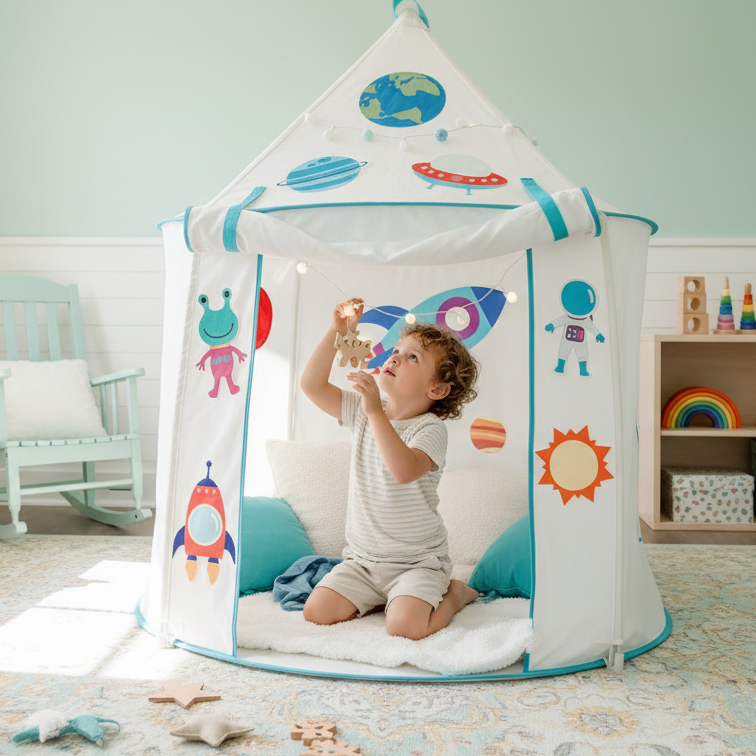
Create a Dedicated Play Space
Children often play more deeply when they associate a particular space with imagination.
A cozy, inviting play area signals that it's time to create rather than consume.
Offer Open-Ended Materials
Some of the best play materials include:
- Blankets
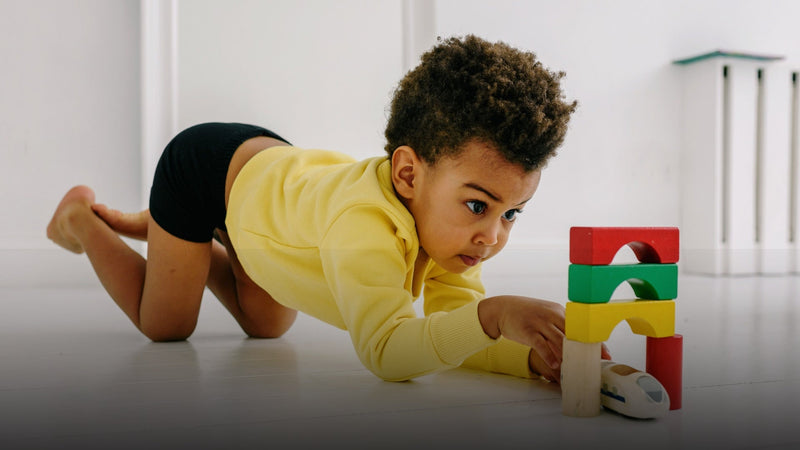
- Building blocks
- Costumes
- Art supplies
- Cardboard boxes
- Stuffed animals
These materials encourage children to invent rather than simply follow instructions.
Reduce Background Distractions
Background television, notifications, and excessive noise compete for children's attention.
A calmer environment naturally supports deeper, more sustained play.
The Power of Environment
Independent play doesn't happen in isolation.
It happens within an environment.
Spaces that feel calm, organized, and inviting encourage children to stay engaged for longer.
Rather than overwhelming children with constant stimulation, thoughtfully designed environments provide room for imagination to grow.
When children have a place that feels like their own, they often return to it again and again.
The ZeeZee Solution
One of the simplest ways to encourage longer periods of independent play is to create an environment where imagination naturally takes the lead.
That's exactly what ZeeZee Adventures was designed to do.
Instead of offering another toy with a fixed purpose, the adventure tent becomes whatever children imagine it to be.
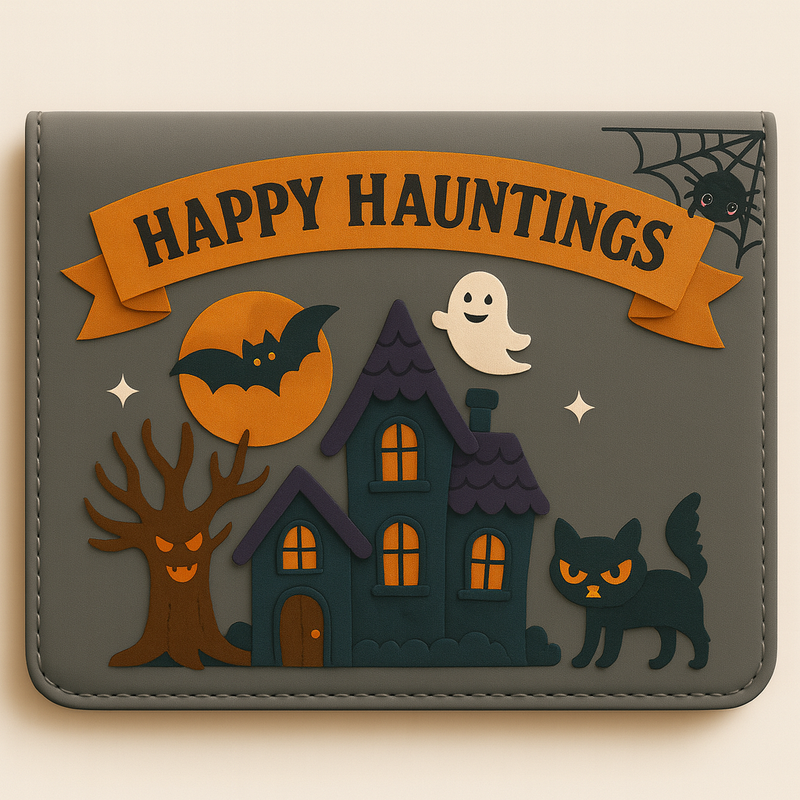
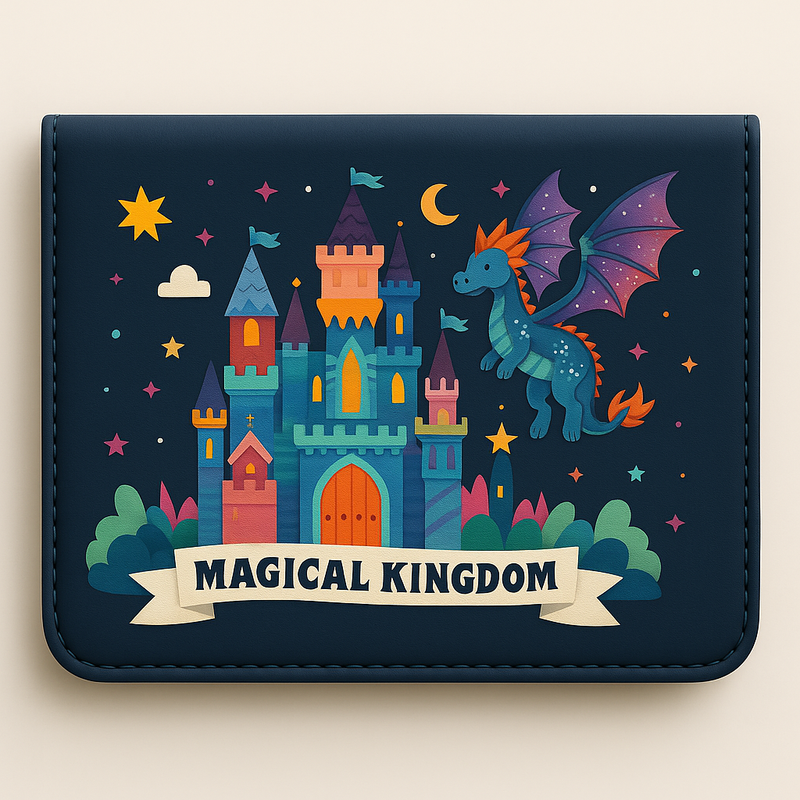
Its sensory-friendly, enclosed design creates a cozy retreat that supports storytelling, creative thinking, quiet focus, and independent exploration. As children's interests evolve, interchangeable StickeeZ themes transform the same play space into magical kingdoms, space missions, explorer camps, reading nooks, and countless other adventures without replacing the entire play experience.
Rather than relying on external entertainment, children become the creators of their own stories.
Conclusion
Some children naturally play independently for longer than others.
That doesn't mean the skill can't grow.
Independent play develops through patience, practice, supportive environments, and opportunities to imagine without constant interruptions.
The goal isn't comparing your child with someone else's.
It's helping your child discover the confidence to create, explore, solve problems, and entertain themselves.
Because independent play isn't simply about keeping children busy.
It's about helping them build skills they'll use for the rest of their lives.
Frequently Asked Questions
At what age should children play independently?
Independent play begins in short periods during toddlerhood and gradually increases as children's attention span, imagination, and problem-solving abilities develop.
Why won't my child play alone?
Some children need more practice, different environments, or more open-ended materials before independent play feels enjoyable. Temperament and developmental stage also influence this skill.
How long should independent play last?
It varies by age and personality. Even 10 to 20 minutes of meaningful independent play is valuable for many young children.
Does screen time affect independent play?
Excessive passive entertainment can make slower, imaginative activities feel less immediately rewarding, making it harder for some children to engage in independent play.
sHA
What toys encourage independent play?
Open-ended materials such as blocks, costumes, play tents, art supplies, stuffed animals, and cardboard boxes encourage the richest forms of self-directed play.




Comment (0)