
How Kids Benefit From Sensory Play (And Why It Matters More Than Ever)
How Kids Benefit From Sensory Play
Sensory play isn’t just messy fun—it’s one of the most powerful ways children learn about the world.
From squishing play dough to running fingers through sand, sensory experiences build brain connections, support emotional regulation, and nurture creativity in ways structured activities simply can’t.
If you’ve ever watched your child become completely absorbed in scooping, pouring, or exploring textures, you’ve already seen the magic in action.
What Is Sensory Play?
Sensory play includes any activity that stimulates a child’s senses:
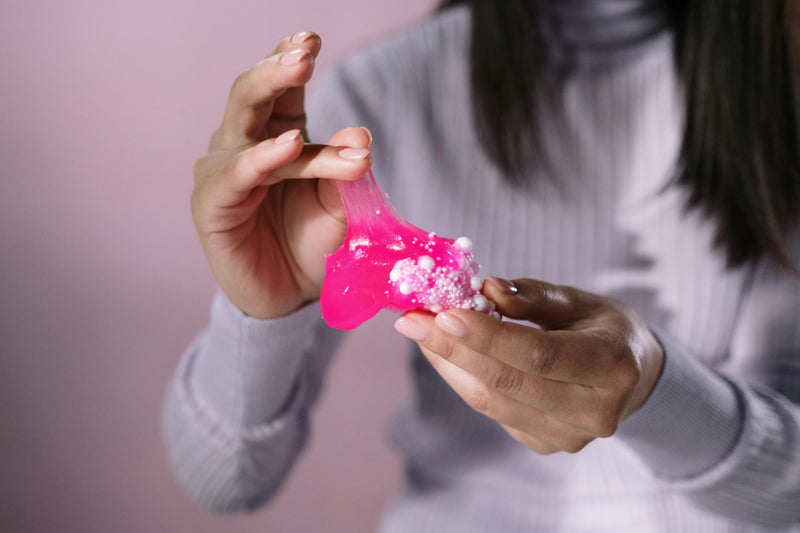
- Touch (textures like sand, water, slime)
- Sight (colors, movement, light)
- Sound (pouring, tapping, music)
- Smell and taste (safe food-based play)
It’s hands-on, open-ended, and deeply engaging—exactly how young children are wired to learn.
1. Builds Strong Brain Connections

Every time your child explores a new texture or material, their brain is forming new neural pathways.
Sensory play helps:
- Strengthen memory and problem-solving skills
- Improve focus and attention span
- Develop early math and science concepts (like volume and cause-and-effect)
These early experiences lay the foundation for lifelong learning.
2. Supports Emotional Regulation

Sensory play can be incredibly calming—especially for toddlers who are still learning to process big emotions.
Repetitive actions like pouring, squeezing, or scooping help children:
- Self-soothe during overwhelm
- Reduce anxiety and frustration
- Feel safe and grounded
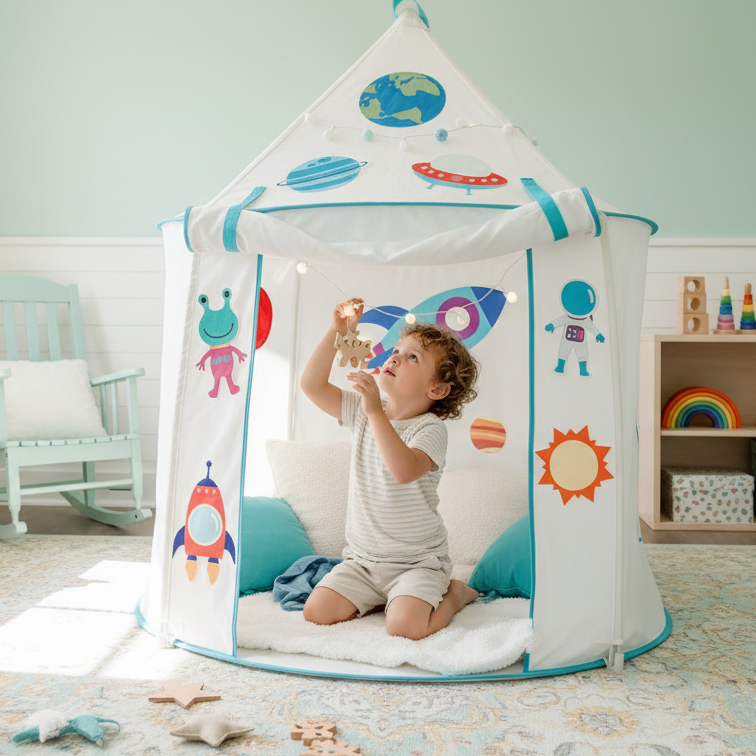
Creating a cozy, contained space—like a ZeeZee Adventures play tent—can amplify this calming effect by giving children a sense of security and ownership over their environment.
3. Encourages Independent Play
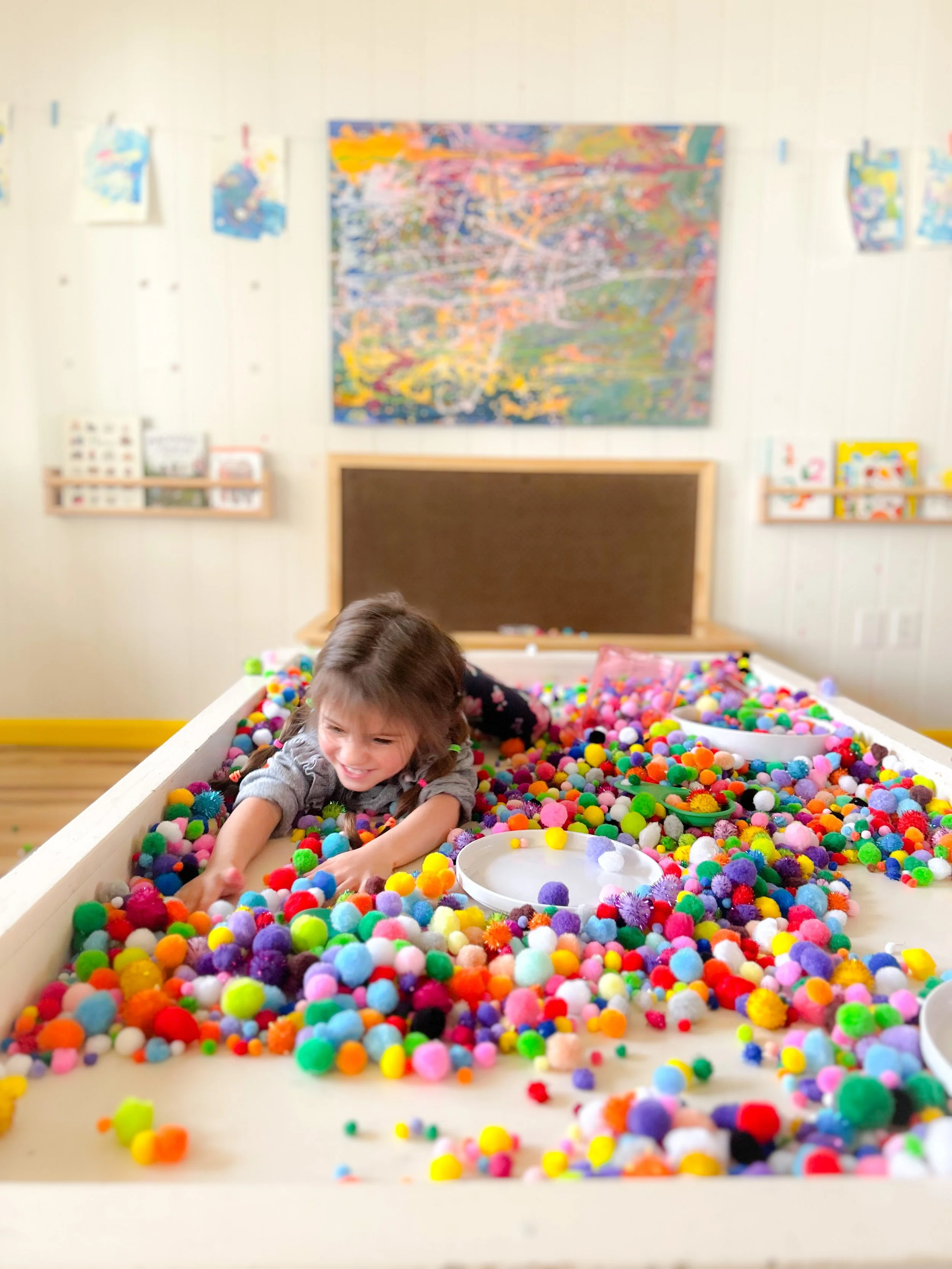
One of the biggest wins for parents? Sensory play keeps kids engaged—without constant direction.
Because there’s no “right way” to play, children:
- Make their own decisions
- Explore at their own pace
- Build confidence through discovery
This kind of open-ended play is a core principle in Montessori and child-led learning.
4. Enhances Fine Motor Skills
Simple actions like pinching, scooping, and pouring strengthen the small muscles in your child’s hands.
These skills are essential for:
- Writing
- Buttoning clothes
- Using utensils
Sensory play makes skill-building feel natural and fun—not forced.
5. Sparks Creativity and Imagination
A bin of rice can become a construction site, a fairy garden, or a dinosaur world.
Sensory play encourages:
- Storytelling
- Role-playing
- Creative thinking
There are no limits—just possibilities.
Easy Sensory Play Ideas to Try at Home

You don’t need fancy supplies to get started.
Try:
- Dry rice or pasta with scoops and cups
- Water play with bowls and spoons
- Play dough with simple tools
- Shredded paper “snow” bins
- Oatmeal or flour for safe texture play
Set it up in a contained, calming space for the best experience.
Creating a Calm Sensory Play Environment
The environment matters just as much as the activity.
Consider:
- Soft lighting
- Neutral tones
- Minimal distractions
- A cozy, enclosed space like a ZeeZee Adventures tent
This helps children stay focused, calm, and immersed in their play.
Final Thoughts
Sensory play is more than just a way to pass time—it’s essential for healthy development.
It supports how children think, feel, and interact with the world.
And the best part? It’s simple, affordable, and incredibly effective.
FAQs
What age is sensory play best for?
Sensory play benefits all ages but is especially important for toddlers and preschoolers (1–5 years).
Is sensory play messy?
It can be—but using trays, bins, and contained spaces helps keep it manageable.
How often should kids do sensory play?
Even 15–30 minutes a day can make a big impact.
Can sensory play help with behavior?
Yes. It often helps children regulate emotions and reduce meltdowns.





Comment (0)