
25 Open-Ended Play Ideas Using Everyday Household Items
Quick Answer
You don't need expensive toys to inspire meaningful play. Everyday household items like cardboard boxes, blankets, pillows, wooden spoons, paper tubes, and laundry baskets can become endless opportunities for open-ended play. By allowing children to decide how these objects are used, parents encourage creativity, problem-solving, language development, emotional regulation, and independent thinking—all while reducing reliance on screens.
Introduction
When parents think about encouraging creativity, it's easy to assume the answer lies in buying another educational toy.
But ask almost any child, and they'll often prove otherwise.
A cardboard box becomes a pirate ship.
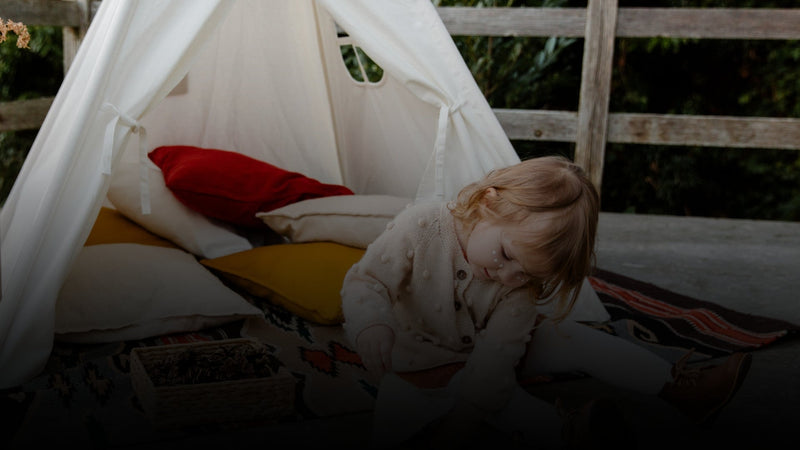
A blanket transforms into a hidden cave.
A few kitchen bowls become a bustling bakery.
A laundry basket launches into outer space.
Children have an incredible ability to see possibilities where adults see ordinary objects. Their imagination doesn't depend on expensive gadgets or toys with flashing lights—it thrives when they're given the freedom to decide what something can become.
This is the beauty of open-ended play.
Unlike activities with fixed rules or predetermined outcomes, open-ended play allows children to create, experiment, solve problems, and tell stories in their own unique way. There is no script to follow and no single "correct" answer.
The best part?
Many of the materials that inspire the richest imaginative play are already sitting somewhere in your home.
In this guide, you'll discover 25 simple open-ended play ideas using everyday household items. Each activity encourages creativity while supporting important developmental skills such as communication, flexible thinking, emotional regulation, and independent problem-solving.
Sometimes the most memorable adventures begin with the simplest objects.
Before You Begin: Three Simple Rules for Open-Ended Play
Before jumping into the activities, remember that open-ended play is less about what children play with and more about how they play.
Keeping these three principles in mind will help your child get the most from every activity.
1. Let Your Child Lead
The goal isn't to produce a perfect craft or complete a task correctly.
Allow your child to decide what the object becomes, how the story unfolds, and when the activity ends.
Their ideas—even the unexpected ones—are where the learning happens.
2. Ask Questions Instead of Giving Answers
When adults immediately suggest solutions, children lose opportunities to think independently.
Instead of saying,
"Make it into a castle."
Try asking,
"What do you think this could become?"
Simple questions encourage creativity while helping children develop confidence in their own ideas.
3. Focus on the Process, Not the Result
A cardboard spaceship doesn't need to look realistic.
A blanket fort doesn't need perfect walls.
The value of open-ended play comes from imagining, experimenting, adapting, and creating—not from producing something that looks "finished."
Celebrate effort, curiosity, and imagination far more than perfection.
1. Cardboard Box Adventure
You'll Need
-
One large cardboard box
-
Optional markers, tape, or blankets
How to Play
Place the box in an open space and simply ask,
"What could this become?"
Then step back.
Your child might turn it into a spaceship, pirate ship, bakery, submarine, train, zoo, castle, or secret clubhouse. Tomorrow, it may become something completely different.
Avoid decorating it for them unless they ask for help.
The less you define it, the more possibilities they'll discover.
Development Benefits
-
Creative thinking
-
Problem-solving
-
Storytelling
-
Independent play
-
Executive functioning
2. Blanket Fort Builder
You'll Need
-
Blankets
-
Chairs
-
Cushions
-
Clothespins (optional)
How to Play
Invite your child to create their own special place using blankets and furniture.
Once it's built, let them decide what it represents.
Perhaps it's a mountain cave.
A reading nook.
A dragon's castle.
Or an explorer's campsite deep in the jungle.
The fort itself is only the beginning.
The real adventure starts once imagination takes over.
Development Benefits
-
Spatial awareness
-
Planning
-
Collaboration
-
Pretend play
-
Emotional regulation
3. Wooden Spoon Storytelling
You'll Need
-
Wooden spoon (or any kitchen utensil)
How to Play
Ask your child,
"If this wasn't a spoon, what else could it be?"
Children often surprise adults with their answers.
A microphone.
A telescope.
A magic wand.
A fishing rod.
A pirate's sword.
A conductor's baton.
Each new idea naturally becomes the beginning of a story.
Encourage your child to act out their adventure instead of simply describing it.
Development Benefits
-
Symbolic thinking
-
Language development
-
Imagination
-
Flexible thinking
4. Kitchen Café
You'll Need
-
Mixing bowls
-
Measuring cups
-
Wooden spoons
-
Empty containers
-
Play food (optional)
How to Play
Turn the kitchen or a corner of the living room—into a pretend café or bakery.
Children can invent menus, cook imaginary meals, serve customers, take orders, or create entirely new recipes.
You don't need realistic toy food.
Leaves, paper circles, bottle caps, and blocks can become ingredients too.
Let your child decide the menu.
Development Benefits
-
Social communication
-
Sequencing
-
Creativity
-
Early math concepts
-
Cooperative play
5. Cushion Obstacle Course
You'll Need
-
Sofa cushions
-
Pillows
-
Blankets
How to Play
Scatter cushions around the room and invite your child to invent an adventure.
The floor might become hot lava.
The cushions become stepping stones across a river.
Or perhaps they're climbing mountains to rescue a lost explorer.
Rather than designing the obstacle course yourself, encourage your child to rearrange it and change the story each time.
Development Benefits
-
Gross motor skills
-
Balance
-
Coordination
-
Planning
-
Imaginative play
6. Laundry Basket Spaceship
You'll Need
-
Laundry basket
-
Blanket
-
Stuffed animals
How to Play
Place your child inside a laundry basket and ask where they're travelling today.
Outer space?
Under the sea?
A dinosaur island?
Invite them to pack supplies, choose passengers, and describe what they discover along the journey.
Every trip becomes a brand-new adventure.
Development Benefits
-
Storytelling
-
Language
-
Creativity
-
Role play
-
Independent thinking
7. Painter's Tape Roads
You'll Need
-
Low-tack painter's tape
-
Toy vehicles (optional)
How to Play
Use painter's tape to create winding roads across the floor.
Then let your child decide what surrounds them.
Maybe it's a busy city.
A safari park.
A magical kingdom.
An airport.
Or a race track.
They can expand the roads, redesign them, or invent entirely new destinations whenever they choose.
Development Benefits
-
Planning
-
Fine motor skills
-
Spatial awareness
-
Flexible thinking
8. Recycled Robot Factory
You'll Need
-
Empty cereal boxes
-
Paper towel tubes
-
Egg cartons
-
Bottle caps
-
Tape
How to Play
Gather recyclable materials and invite your child to invent their own creation.
It doesn't have to be a robot.
It could become an animal, spaceship, monster, invention, or machine nobody has ever imagined before.
Avoid giving examples too early.
Children often think more creatively when adults don't define the possibilities.
Development Benefits
-
Engineering thinking
-
Creativity
-
Problem-solving
-
Fine motor development
9. Nature Treasure Hunt
You'll Need
-
Basket or bag
-
Leaves
-
Pinecones
-
Stones
-
Sticks
-
Flowers (where appropriate)
How to Play
Take a walk outdoors and encourage your child to collect interesting natural objects.
Once home, ask,
"What could we make with these?"
The collection might become a tiny fairy village.
A dinosaur habitat.
A pretend soup.
An art project.
Or something completely unexpected.
Nature provides endless inspiration because there is no right way to use it.
Development Benefits
-
Observation skills
-
Creativity
-
Sensory exploration
-
Scientific curiosity
-
Imaginative thinking
10. Mystery Basket Challenge
You'll Need
A basket filled with random household objects, such as:
-
A scarf
-
A whisk
-
A sock
-
A cardboard tube
-
A measuring cup
-
A toy animal
-
A flashlight
How to Play
Invite your child to choose three or four items from the basket.
Challenge them to create a story using every object.
There are no wrong answers.
A whisk might become a magic key.
A sock could become a sleeping dragon.
A flashlight might reveal hidden treasure.
Each combination encourages children to connect ideas in unexpected ways while developing rich storytelling skills.
Development Benefits
-
Creative thinking
-
Narrative language
-
Cognitive flexibility
-
Problem-solving
-
Confidence in self-expression
11. Sock Puppet Story Studio
You'll Need
-
Clean socks
-
Buttons or googly eyes (optional)
-
Yarn or fabric scraps
-
Markers
How to Play
Invite your child to transform old socks into unique characters. One sock might become a brave explorer, another a sleepy dragon, and another a mischievous monkey.
Once the characters are ready, let your child invent the story. Resist writing the script for them. Instead, ask questions like:
"Who are they?"
"What adventure are they going on?"
"How do they solve the problem?"
The goal isn't crafting perfect puppets—it's creating original stories.
Development Benefits
-
Language development
-
Emotional expression
-
Creativity
-
Storytelling
-
Social communication
12. Flashlight Shadow Theater
You'll Need
-
Flashlight
-
Blank wall
-
Darkened room
-
Hands or toy figures
How to Play
Turn off the lights and shine a flashlight toward a wall.
Encourage your child to create shadow animals, people, or fantasy creatures.
Soon the shadows become characters in an entirely new story.
Perhaps they're camping in the woods.
Maybe they're searching for treasure.
Or defending a magical kingdom.
The story can change every night.
Development Benefits
-
Imagination
-
Visual perception
-
Narrative thinking
-
Confidence
-
Communication
13. Paper Tube Marble Run
You'll Need
-
Empty paper towel tubes
-
Toilet paper rolls
-
Tape
-
Small balls or marbles (use age-appropriate supervision)
How to Play
Invite your child to design their own marble run.
Should it go faster?
Higher?
Around a corner?
There isn't one correct design.
Every adjustment teaches children something new.
If the marble falls, that's simply another opportunity to redesign and improve.
Development Benefits
-
Engineering thinking
-
Cause and effect
-
Problem-solving
-
Fine motor skills
-
Persistence
14. Pretend Grocery Store
You'll Need
-
Empty food containers
-
Shopping bag
-
Basket
-
Toy money (optional)
How to Play
Transform part of your home into a grocery store.
Your child might become the shopkeeper today and the customer tomorrow.
They can create prices, organize shelves, design advertisements, or invent completely new foods.
Instead of directing the game, allow the store to evolve naturally.
Development Benefits
-
Early math
-
Social skills
-
Organization
-
Vocabulary
-
Imaginative play
15. Pillow Mountain Adventure
You'll Need
-
Pillows
-
Blankets
-
Cushions
How to Play
Build "mountains" using pillows and cushions.
Now ask,
"Who's climbing the mountain today?"
Perhaps they're rescuing a baby dragon.
Searching for hidden treasure.
Meeting friendly giants.
The climbing becomes only one part of a much bigger story.
Development Benefits
-
Gross motor development
-
Balance
-
Creativity
-
Confidence
-
Storytelling
16. Animal Rescue Mission
You'll Need
-
Stuffed animals
-
Towels
-
Small boxes
-
Bandages made from fabric scraps
How to Play
Invite your child to become a wildlife veterinarian.
Each animal arrives with its own unique story.
One may have hurt its wing.
Another feels lonely.
Another has lost its family.
Allow your child to diagnose, comfort, and care for each patient however they choose.
Development Benefits
-
Empathy
-
Emotional intelligence
-
Language
-
Pretend play
-
Problem-solving
17. Build a Tiny World
You'll Need
-
Building blocks
-
Leaves
-
Pebbles
-
Toy animals
-
Recyclable materials
How to Play
Create a miniature world on a table or the floor.
Your child decides everything.
Who lives there?
What rules exist?
What adventures happen?
Tiny worlds often become ongoing projects that children return to for days, adding new characters and expanding their stories over time.
Development Benefits
-
Planning
-
Creativity
-
Executive functioning
-
Spatial reasoning
-
Long-term imaginative thinking
18. Treasure Map Adventure
You'll Need
-
Blank paper
-
Crayons
-
Household objects
How to Play
Encourage your child to draw a treasure map of your home.
Maybe the kitchen is a jungle.
The hallway becomes a river.
The sofa transforms into a mountain.
Hide a small object somewhere and let the adventure begin.
Better yet, let your child create the map for someone else to follow.
Development Benefits
-
Spatial awareness
-
Early mapping skills
-
Creativity
-
Planning
-
Communication
19. Indoor Camping Trip
You'll Need
-
Blanket fort
-
Flashlight
-
Stuffed animals
-
Pillows
How to Play
Transform your living room into a campsite.
What animals live nearby?
What sounds can everyone hear?
What food will the campers cook?
The camping trip can become an expedition, safari, or magical forest depending entirely on your child's imagination.
Development Benefits
-
Pretend play
-
Emotional regulation
-
Storytelling
-
Independent play
-
Creativity
20. Invent a New Board Game
You'll Need
-
Paper
-
Dice
-
Bottle caps
-
Buttons
-
Coins
How to Play
Instead of playing an existing game, challenge your child to invent one.
They decide:
-
The rules
-
The objective
-
The characters
-
The obstacles
-
How players win
The first version probably won't work perfectly.
That's exactly the point.
Children naturally refine the rules as they play, learning flexibility, planning, negotiation, and creative problem-solving along the way.
Development Benefits
-
Executive functioning
-
Flexible thinking
-
Collaboration
-
Critical thinking
-
Creativity
Expert Tips for Encouraging Richer Open-Ended Play
Open-ended play isn't about keeping children busy.
It's about giving them ownership of their ideas.
Here are a few simple ways to deepen the experience:
Rotate Materials Instead of Buying More
Children often rediscover familiar objects when they're reintroduced after a short break.
A toy that seemed forgotten last month can suddenly become the centerpiece of an entirely new adventure.
Follow Their Fascinations
If your child spends two weeks pretending to be a marine biologist, lean into it.
Bring home books from the library.
Collect shells on a walk.
Ask questions.
Deep exploration often leads to richer learning than constantly introducing new themes.
Create an Inviting Play Environment
The environment can be just as important as the materials.
A calm, organized space helps children settle into imaginative play more easily than a room overflowing with distractions.
Many families discover that creating one dedicated play area encourages children to return to unfinished stories and build increasingly elaborate adventures over time.
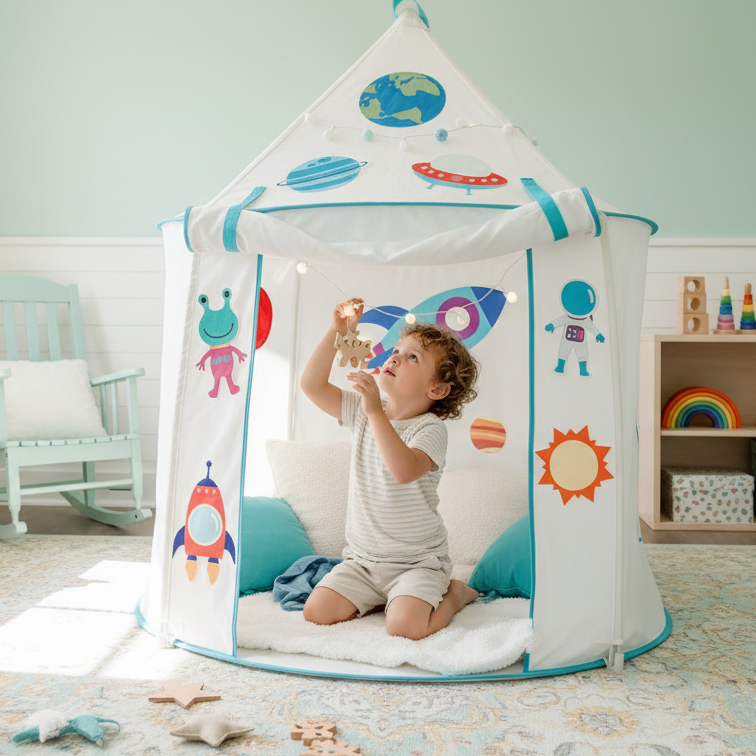
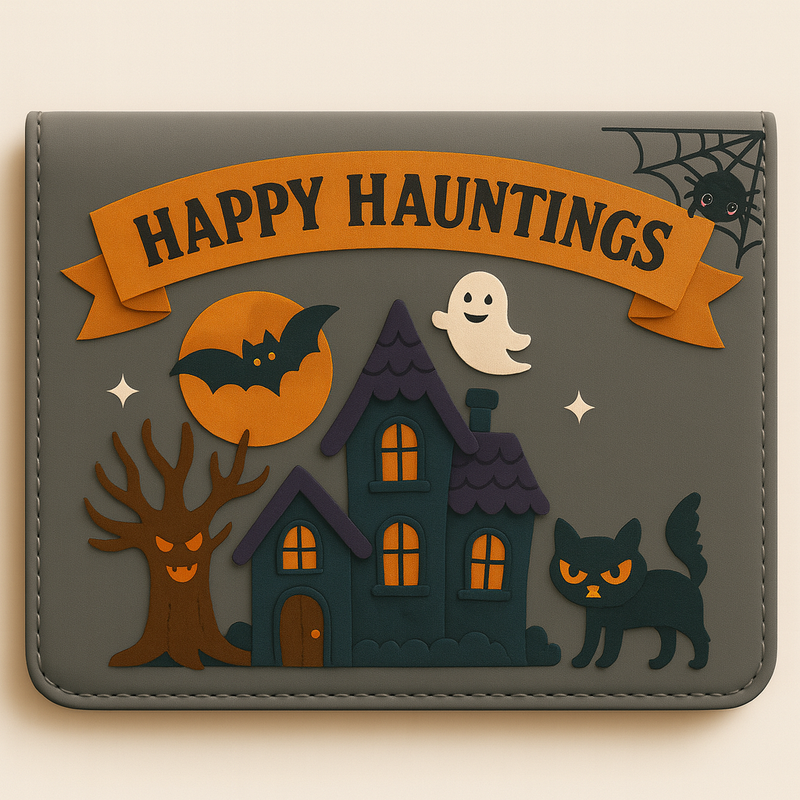
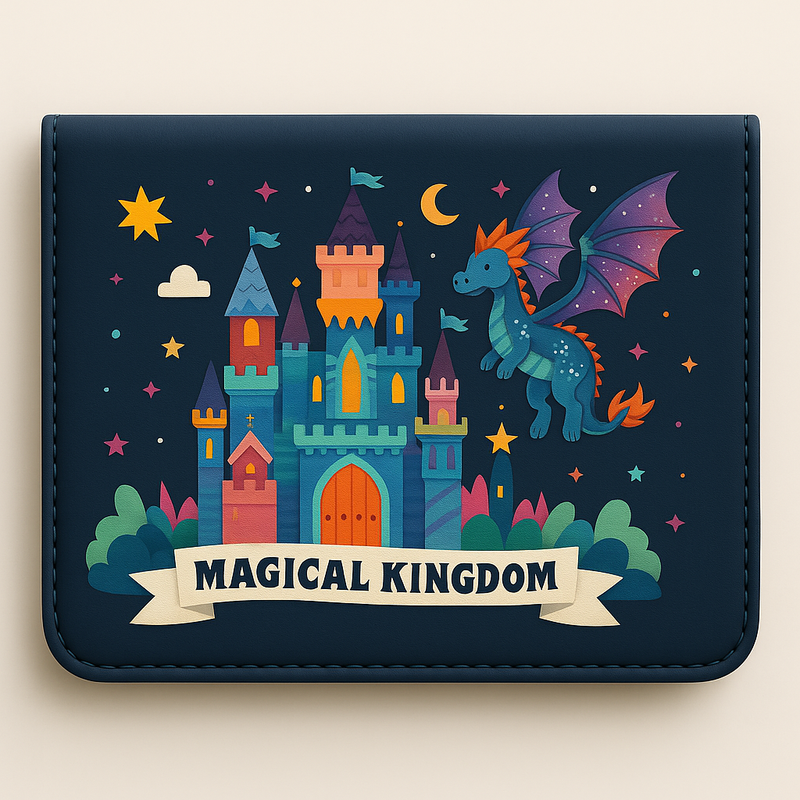
This is where adaptable play environments can be especially valuable. Rather than replacing toys whenever interests change, spaces that evolve alongside a child's imagination encourage deeper engagement. ZeeZee Adventures, for example, is built around the idea of one imaginative play space that transforms through interchangeable StickeeZ themes. As children's interests shift—from dinosaurs and outer space to oceans or magical kingdoms—the environment can change with them while remaining a familiar place for creative, screen-free play. This approach reflects ZeeZee's philosophy of supporting long-lasting imaginative play through adaptable environments instead of constantly introducing new toys.
Be Present Without Taking Over
One of the greatest gifts parents can offer is their attention—not their instructions.
Watch.
Listen.
Wonder.
Instead of directing the game, ask open-ended questions like:
-
"What happens next?"
-
"Tell me about your character."
-
"How did you solve that problem?"
These conversations validate children's ideas while encouraging deeper thinking without interrupting their creativity.
21. Water Transfer Station
You'll Need
-
Two bowls or buckets
-
Measuring cups
-
Funnels
-
Sponges
-
Ladles
-
Water (or dry materials like rice for easier cleanup)
How to Play
Fill one container with water and place an empty container beside it.
Invite your child to move the water using whichever tools they choose.
There are no instructions beyond one simple question:
"How would you like to move the water?"
Some children will invent recipes.
Others may pretend they're scientists, chefs, or potion makers.
The activity naturally evolves depending on your child's imagination.
Development Benefits
-
Fine motor skills
-
Hand-eye coordination
-
Problem-solving
-
Concentration
-
Sensory exploration
22. DIY Construction Site
You'll Need
-
Cardboard pieces
-
Masking tape
-
Recyclable materials
-
Toy trucks (optional)
How to Play
Create a pile of building materials and invite your child to become an architect or construction worker.
They might build:
-
A bridge
-
A skyscraper
-
A zoo
-
A secret headquarters
-
A castle
-
Something nobody has ever imagined before
If a structure falls, resist fixing it.
Instead ask,
"What do you think would make it stronger?"
Development Benefits
-
Engineering thinking
-
Spatial reasoning
-
Executive functioning
-
Creativity
-
Persistence
23. Mail Delivery Game
You'll Need
-
Paper
-
Envelopes
-
Crayons
-
Small basket or bag
How to Play
Turn your home into a neighborhood.
Children can write, draw, or dictate letters to family members, stuffed animals, or imaginary friends.
Then they become the mail carrier, delivering each letter around the house.
Soon they may invent new neighborhoods, post offices, or delivery adventures of their own.
Development Benefits
-
Early literacy
-
Communication
-
Pretend play
-
Organization
-
Social development
24. Family Museum
You'll Need
-
Favorite toys
-
Nature treasures
-
Drawings
-
Household objects
-
Small labels
How to Play
Invite your child to become the curator of their own museum.
They decide:
-
What goes on display
-
The names of each exhibit
-
The stories behind each object
-
The rules for visitors
Then let them become the tour guide.
This activity encourages children to organize ideas while building confidence in communication.
Development Benefits
-
Storytelling
-
Public speaking
-
Creativity
-
Organization
-
Confidence
25. Invent Your Own Game
You'll Need
Anything your child chooses.
That's the point.
How to Play
Ask one simple question:
"Can you invent a brand-new game that nobody has ever played before?"
Allow your child complete creative freedom.
They decide:
-
The materials
-
The rules
-
The objective
-
The characters
-
The ending
Some games will make perfect sense.
Others won't.
Both are valuable.
Inventing original games requires children to think creatively, test ideas, solve problems, negotiate rules, and adapt when something doesn't work.
It's one of the purest forms of open-ended play because everything comes from the child's imagination.
Development Benefits
-
Innovation
-
Executive functioning
-
Critical thinking
-
Collaboration
-
Creativity
-
Self-confidence
Frequently Asked Questions
What are open-ended play activities?
Open-ended play activities are experiences with no predetermined outcome. Children decide how the materials are used, what stories unfold, and how the activity develops. The focus is on creativity, exploration, and problem-solving rather than completing a task correctly.
Do I need expensive toys for open-ended play?
No. Some of the best open-ended play experiences use ordinary household items such as cardboard boxes, blankets, pillows, wooden spoons, paper tubes, recyclable materials, and natural objects. These simple materials encourage children to invent their own ideas rather than follow a toy's instructions.
How long should my child engage in open-ended play?
Quality matters more than quantity. Aim to provide regular opportunities for uninterrupted child-led play. Even 30–60 minutes of protected playtime each day can help children develop creativity, independence, and confidence.
What if my child says they're bored?
Boredom is often the starting point for imagination. Instead of immediately providing entertainment, give your child time to think. A simple question like, "What could you create?" is often enough to spark a new adventure.
Can siblings play together?
Absolutely. Open-ended play naturally encourages cooperation, negotiation, communication, and shared storytelling. Because there is no single correct outcome, children can contribute ideas together while practicing important social skills.
Conclusion
Children don't measure play by the price of a toy.
They measure it by the adventures they create.
A cardboard box can become a castle.
A blanket can become an explorer's tent.
A laundry basket can travel to the moon.
These ordinary objects become extraordinary because children bring them to life with their imagination.
As parents, we don't need to provide endless entertainment or constantly buy something new. More often, our greatest contribution is creating the time, space, and encouragement for children to lead their own play.
When we step back and allow children to invent, explore, and experiment, we're helping them develop skills that reach far beyond childhood—creativity, resilience, problem-solving, communication, and confidence.
The next time you're tempted to throw away an empty box or tidy away a pile of cushions, pause for a moment.
Ask yourself one simple question:
"What might my child see that I don't?"
The answer may be the beginning of their next great adventure.




Comment (0)