
50 Screen-Free Activities Kids Will Actually Love (That Keep Them Playing Longer)
Introduction
Many parents know the familiar routine. A child announces they are bored, a tablet appears, and what was meant to be ten minutes quietly stretches into an hour or more. Screens can certainly be useful for learning, entertainment and staying connected, but they have gradually become the default solution whenever children need something to do.
The challenge is not simply reducing screen time. It is replacing it with activities that genuinely capture a child's imagination. Many traditional activity lists fall short because they suggest ideas that children quickly abandon. The real goal is to offer experiences that encourage curiosity, creativity and independent thinking, allowing children to become deeply engaged without constantly needing adult direction.
Child development experts generally agree that children learn best through active, hands-on experiences. Whether they are pretending to explore a jungle, building a blanket fort, painting a masterpiece or inventing a game of their own, these moments strengthen problem-solving skills, language development, emotional regulation and confidence in ways passive entertainment cannot.
This guide shares 50 screen-free activities that children genuinely enjoy, along with practical advice to help parents create an environment where independent play can flourish naturally. Rather than simply filling time, these ideas encourage children to explore, imagine and develop skills that will benefit them long after playtime ends.
Quick Answer
The best screen-free activities are those that encourage children to think creatively, solve problems, move their bodies and create their own stories. Open-ended play, imaginative adventures, arts and crafts, sensory experiences, outdoor exploration and independent projects all help children stay engaged for longer because there is no single right way to play. The more freedom children have to direct their own play, the longer their attention and creativity tend to grow.
Key Takeaways
-
Screen-free activities work best when children are encouraged to lead their own play.
-
Open-ended experiences help develop creativity, confidence and problem-solving skills.
-
Children are more likely to remain engaged when activities allow endless possibilities rather than fixed outcomes.
-
A thoughtfully prepared play environment can naturally encourage longer periods of independent play.
-
Parents do not need to entertain children constantly. Sometimes the greatest gift is simply providing the space and opportunity for imagination to flourish.
Definition
What Are Screen-Free Activities?
Screen-free activities are forms of play, learning or recreation that do not involve televisions, tablets, smartphones, computers or gaming devices. They encourage children to interact with people, materials and their surroundings through imagination, creativity, movement, conversation and exploration. Unlike passive entertainment, screen-free activities invite children to become active participants in their own learning and play.
Why Screen-Free Activities Matter More Than Ever
Modern childhood looks very different from even a decade ago. Digital technology has become woven into everyday family life, offering incredible convenience alongside new challenges. Educational apps, streaming services and online games provide endless entertainment, but they can also reduce opportunities for children to experience the slower, more imaginative forms of play that have traditionally supported healthy development.
This does not mean screens are inherently harmful or should be eliminated completely. Most families rely on technology in some way, and when used thoughtfully it can be a valuable tool. The concern arises when digital entertainment consistently replaces activities that encourage children to invent, create, explore and interact with the physical world around them.
Occupational therapists often observe that open-ended play provides experiences that screens cannot fully replicate. When children build a den from cushions, invent a pretend café or create an imaginary expedition across the living room, they practise planning, flexible thinking, communication and emotional regulation all at once. Every decision belongs to them, which makes the experience both meaningful and memorable.
Parents often worry that reducing screen time will simply lead to constant complaints of boredom. In reality, boredom can become the starting point for creativity. Without immediate digital stimulation, children gradually begin looking inward for ideas. They invent stories, experiment with materials, ask questions and discover interests they might never have explored if entertainment had been instantly available.
The aim is therefore not to eliminate technology but to restore balance. By creating regular opportunities for meaningful screen-free play, families can help children strengthen skills that support learning, relationships and wellbeing throughout childhood.
What Makes a Screen-Free Activity Truly Engaging?
Not every screen-free activity captures a child's attention for long. Some crafts are completed in five minutes, while certain board games quickly lose their appeal. The activities that children return to repeatedly usually share one important characteristic: they are open-ended.
Open-ended activities have no single correct outcome. A cardboard box might become a pirate ship one afternoon, a castle the next day and a spaceship by the weekend. A collection of wooden blocks could become a zoo, a city or an airport depending entirely on the child's imagination. Because there are no fixed rules, children remain interested for much longer and naturally create new challenges for themselves.
Another important factor is ownership. Children become deeply engaged when they feel they are directing the experience rather than simply following instructions. Giving them opportunities to choose materials, invent stories and solve problems independently helps build both confidence and perseverance. Rather than asking, "What should I make?", they begin asking, "What could I create?"
The environment also plays an important role. Calm, inviting spaces with carefully chosen materials encourage children to settle into play more easily than rooms filled with constant distractions. A cosy reading corner, an imaginative play area or a dedicated creative space signals that exploration is welcome and that there is time to become absorbed in an activity.
The following activities have been grouped into themes to help parents find ideas that suit different personalities, interests and energy levels. Whether your child loves storytelling, movement, building or quiet creative projects, there is something here that can inspire longer, more meaningful play.
10 Imaginative Play Activities
Imaginative play remains one of the most powerful ways for children to explore the world around them. By pretending to become explorers, astronauts, chefs or wildlife rescuers, children experiment with different perspectives, practise language skills and develop flexible thinking. These activities require very little equipment, yet they often become the experiences children remember most.
Rather than directing every detail, encourage your child to lead the adventure. Ask open-ended questions, provide simple props and allow the story to unfold naturally. You may be surprised by the complexity of the worlds they create.
1. Build a Blanket Fort
Transform blankets, cushions and chairs into a secret hideaway where children can read, imagine or simply enjoy a quiet retreat.
2. Open a Pretend Café
Invite children to design menus, prepare imaginary meals and welcome family members as customers.
3. Become Wildlife Explorers
Hide toy animals around the house or garden and create an expedition to discover new species.
4. Create a Space Mission
Turn cardboard boxes into rockets and invent exciting journeys across the solar system.
5. Design a Treasure Hunt
Hide clues throughout the home that lead to a final surprise or favourite book.
6. Run a Veterinary Clinic
Use soft toys as patients while children examine, comfort and care for each one.
7. Put on a Puppet Theatre
Create simple paper puppets and encourage children to write and perform their own stories.
8. Build a Mini Town
Use blocks, recycled materials or toy figures to create a bustling community full of imaginative characters.
9. Invent a Superhero
Encourage children to design a unique hero complete with special powers, costume and backstory.
10. Create an Adventure Journal
After each imaginary adventure, invite children to draw or write about where they travelled and what they discovered.
10 Creative Arts and Craft Activities
Creative activities offer children far more than an opportunity to make something colourful. Art encourages experimentation, patience and self-expression while allowing children to explore ideas without worrying about finding the "right" answer. Unlike many structured projects, open-ended creative experiences celebrate imagination over perfection.
Parents sometimes feel pressure to produce picture-perfect crafts, yet the greatest developmental value often comes from the creative process itself rather than the finished product. Providing a variety of materials and allowing children to decide how to use them encourages independence and original thinking.
11. Paint with Nature
Collect leaves, flowers or pinecones and use them as natural painting tools.
12. Create a Family Storybook
Write and illustrate an original story together, allowing children to invent the characters and plot.
13. Design Handmade Greeting Cards
Encourage children to create personalised cards for friends, relatives or neighbours.
14. Build Recycled Art Sculptures
Transform empty boxes, tubes and containers into imaginative creations.
15. Make Nature Collages
Arrange collected natural treasures into beautiful works of art.
16. Create Homemade Playdough Sculptures
Model animals, buildings or imaginary creatures using homemade playdough.
17. Design Your Own Board Game
Invent rules, challenges and colourful game pieces together.
18. Decorate Pebbles
Paint inspiring pictures or encouraging words onto smooth stones collected outdoors.
19. Create Shadow Art
Experiment with sunlight, torches and everyday objects to create interesting shadow designs.
20. Build a Creativity Box
Fill a container with paper, ribbons, buttons, stickers, fabric scraps and recycled materials that children can use whenever inspiration strikes.
10 Sensory Play Activities
Sensory play encourages children to explore the world through touch, movement, sound, sight and even smell. These experiences help children make sense of their environment while supporting fine motor skills, coordination, problem-solving and emotional regulation. Occupational therapists often recommend sensory-rich play because it allows children to learn naturally through hands-on exploration rather than passive observation.
The beauty of sensory play is that it rarely feels like learning. Children become completely absorbed in scooping, pouring, sorting, squeezing and experimenting. They are following their curiosity, making discoveries and building confidence with every new experience. Most of these activities use simple household materials, making them easy to recreate without expensive toys.
21. Create a Sensory Bin
Fill a large container with rice, dried pasta, shredded paper, kinetic sand or water beads, then hide small objects inside for children to discover. Add scoops, cups and containers to encourage pouring and sorting.
22. Make Homemade Slime
Create a child-safe slime using simple ingredients and let children stretch, twist and shape it into different forms.
23. Explore Ice Treasures
Freeze small toys inside blocks of ice and challenge children to rescue them using warm water, droppers or small tools.
24. Build a Texture Walk
Arrange soft blankets, bubble wrap, artificial grass, towels and cushions into a sensory pathway for children to explore barefoot.
25. Mix Nature Potions
Provide bowls of water, leaves, flower petals, herbs and small sticks, allowing children to create their own magical mixtures.
26. Make Cloud Dough
Combine flour and baby oil to create a soft, mouldable sensory material that children can shape into endless creations.
27. Sort Colours and Shapes
Use pom-poms, buttons or coloured blocks for sorting games that strengthen observation and fine motor skills.
28. Create a Sound Hunt
Invite children to identify and collect objects that make different sounds, then compare loud, quiet, soft and sharp noises.
29. Paint with Water Outdoors
Give children brushes and buckets of water to paint fences, pavements or garden walls. Their artwork disappears naturally, encouraging repeated creativity.
30. Make a Mystery Touch Box
Place familiar objects inside a covered box and encourage children to identify each one using only their sense of touch.
Expert Insight
Sensory experiences help children organise information about the world around them.
Occupational therapists often explain that children develop many important skills by interacting directly with different textures, temperatures, sounds and materials. Rather than simply observing, they learn through active exploration. Sensory play also gives children opportunities to regulate their emotions, improve coordination and build confidence as they experiment independently.
10 Active Indoor and Outdoor Activities
Children naturally learn through movement. Running, jumping, balancing and climbing all contribute to physical development, while also strengthening concentration, coordination and confidence. Movement-based activities provide an excellent alternative to screen time because they engage both the body and the mind.
Active play does not require organised sports or expensive equipment. Some of the most memorable childhood adventures begin with a simple challenge, a little imagination and enough space to move freely. Encouraging children to invent their own games also strengthens creativity and problem-solving, making these activities even more rewarding.
31. Create an Indoor Obstacle Course
Use cushions, chairs, masking tape and tunnels to design an exciting course that children can complete in different ways.
32. Organise a Garden Scavenger Hunt
Create a list of natural objects for children to find, such as feathers, smooth stones, different leaves or colourful flowers.
33. Invent an Animal Movement Challenge
Encourage children to hop like frogs, crawl like bears, slither like snakes and flap like birds.
34. Fly Homemade Paper Aeroplanes
Experiment with different folding techniques to discover which designs travel the furthest.
35. Build a Mini Olympic Games
Create simple events such as beanbag throwing, balancing challenges and short races.
36. Go on a Nature Treasure Walk
Collect interesting natural materials while discussing shapes, colours and textures along the way.
37. Create a Balloon Volleyball Game
Use a balloon instead of a ball to create a slower-paced game suitable for indoor play.
38. Practise Yoga Together
Choose simple child-friendly yoga poses inspired by animals and nature.
39. Build Giant Chalk Murals
Transform driveways or pavements into colourful works of art filled with stories, maps and imaginative scenes.
40. Dance Freeze Challenge
Play music and encourage children to freeze in funny poses whenever the music stops.
Expert Insight
Physical activity supports much more than physical health.
Movement strengthens balance, coordination and body awareness, but it also supports attention, emotional regulation and executive functioning. Many children find it easier to settle into quieter activities after they have had opportunities for active play throughout the day.
Common Mistakes Parents Make When Reducing Screen Time
Many parents begin reducing screen time with the best intentions, only to become discouraged when children resist the change. This is completely understandable. Digital entertainment is designed to capture attention instantly, while imaginative play often requires children to create their own momentum. The transition takes patience, consistency and realistic expectations.
Rather than expecting immediate enthusiasm, think of independent play as a skill that develops gradually. Children need opportunities to practise making decisions, solving problems and entertaining themselves without constant stimulation. Small changes made consistently often produce far better long-term results than dramatic restrictions that are difficult to maintain.
|
Myth |
Fact |
|
Children should instantly enjoy screen-free play. |
Many children need time to rediscover imaginative play after frequent screen use. |
|
More toys create more entertainment. |
Too many choices can overwhelm children and reduce the quality of play. |
|
Parents need to entertain children constantly. |
Independent play develops when children have time and freedom to explore on their own. |
|
Educational play must always be structured. |
Some of the richest learning happens during child-led, unstructured play. |
|
Boredom is something parents should eliminate. |
Boredom often encourages creativity, curiosity and problem-solving. |
10 Calm, Quiet and Independent Play Activities
Not every screen-free activity needs to involve excitement and movement. Quiet moments are equally valuable because they give children opportunities to slow down, concentrate and become deeply absorbed in their own ideas. Calm play encourages sustained attention, creativity and emotional regulation while helping children develop confidence in entertaining themselves.
Many parents notice that when children have a peaceful, inviting space of their own, they naturally spend longer exploring books, building stories or experimenting with creative materials. These activities are particularly useful during quiet afternoons, rainy days or before bedtime.
41. Create a Reading Nook
Arrange cushions, blankets and favourite books in a cosy corner that children will want to return to every day.
42. Build with Wooden Blocks
Encourage children to design cities, bridges or imaginative worlds without instructions.
43. Keep a Nature Journal
Draw, write or collect observations about birds, insects, plants and changing seasons.
44. Listen to Audiobooks Together
Choose engaging stories that encourage children to imagine the characters and settings in their own minds.
45. Create an Imagination Jar
Fill a jar with prompts such as "Build a castle", "Invent a new animal" or "Travel to the moon", then choose one whenever inspiration is needed.
46. Solve Age-Appropriate Puzzles
Jigsaw puzzles encourage patience, persistence and logical thinking while providing a calming challenge.
47. Build a Mini Museum
Invite children to display treasured collections such as shells, stones, drawings or handmade crafts and explain their significance.
48. Write and Illustrate Comics
Encourage children to invent their own characters and adventures across several pages.
49. Care for Indoor Plants
Give children responsibility for watering, observing and caring for household plants while learning about nature.
50. Create an Imaginative Play Space
Design a cosy area where children can invent stories, read, build, draw or simply enjoy uninterrupted independent play. Spaces that children can personalise often become favourite places to explore ideas, return to familiar stories and create new adventures day after day.
The Power of Environment: Why Where Children Play Matters
Children do not simply respond to the toys they have. They respond to the environment around them. A thoughtfully designed play space can inspire imagination, encourage concentration and help children remain engaged for much longer than a room filled with constant distractions. While many parents focus on finding the "perfect" activity, child development experts often emphasise that the setting itself plays an equally important role.
Imagine walking into two different rooms. One is crowded with flashing toys, loud sounds and shelves overflowing with choices. The other is calm, organised and inviting, with a few carefully selected materials waiting to be explored. Most children naturally settle more easily into the second environment because it allows them to focus on their own ideas rather than being constantly pulled in different directions.
Research and practical experience from educators and occupational therapists suggest that children often play more deeply when they have fewer distractions and greater freedom to direct their own experiences. Open-ended environments encourage curiosity because there is no expectation to play in one specific way. A blanket can become a mountain. A cardboard box can become a pirate ship. A quiet corner can become an enchanted forest. The possibilities are limited only by imagination.
Creating a supportive play environment does not require a dedicated playroom or expensive furniture. Small changes can make a remarkable difference.
Simple Ways to Create a Screen-Free Play Environment
-
Reduce unnecessary visual clutter.
-
Rotate toys instead of displaying everything at once.
-
Keep creative materials easily accessible.
-
Create a cosy reading or imaginative play corner.
-
Include natural materials such as wooden toys, fabric and baskets.
-
Allow children to personalise their play space.
-
Schedule regular periods of uninterrupted independent play.
When children feel ownership over their environment, they are more likely to return to it day after day, discovering new stories, challenges and adventures each time.
Expert Insight
Independent play begins with the environment, not the activity.
Occupational therapists frequently observe that children become more deeply engaged when they feel safe, comfortable and free to direct their own play. Rather than relying on constant novelty, a thoughtfully prepared environment gives children permission to explore, experiment and create at their own pace.
The ZeeZee Solution
One of the biggest challenges parents face is finding toys that remain interesting beyond the first few weeks. Many products are exciting initially but quickly lose their appeal because they offer limited ways to play. Children naturally crave novelty, yet continually buying new toys is neither practical nor necessary.
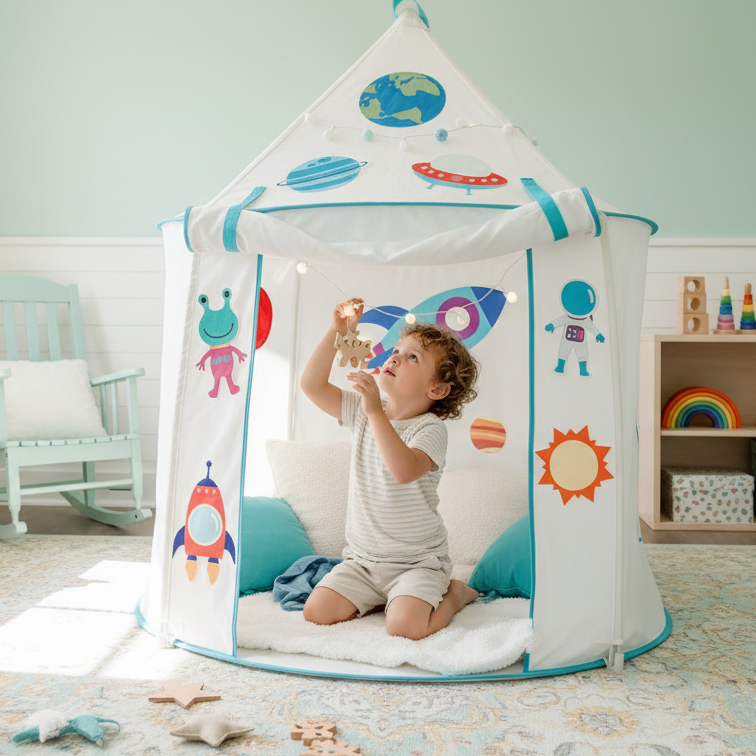
This is where the philosophy behind ZeeZee Adventures is different. Rather than creating another fixed-theme play tent, ZeeZee Adventures was designed as a flexible play environment that evolves alongside a child's imagination. Inspired by two sisters who wondered why their play tent could not change with their stories, the concept grew into a premium, customisable play space that supports creativity, sensory-friendly play and independent exploration. The family-led brand's mission is to help children build confidence, imagination and self-belief through purposeful play.
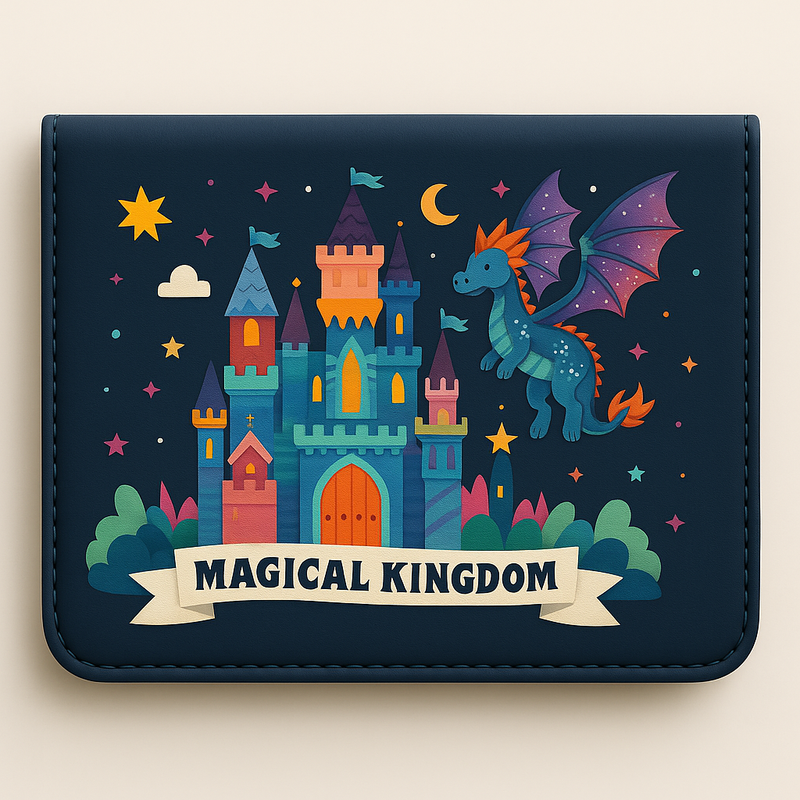
At the heart of the system are interchangeable StickeeZ themes. Instead of replacing the entire play experience, children can transform the same tent into a magical kingdom, an underwater world, outer space, a dinosaur adventure or countless other imaginative settings. This encourages fresh storytelling while reducing toy clutter and extending the value of a single play environment. The tent also includes child-safe materials, calming lighting options and accessories designed to support longer periods of meaningful, screen-free play.
Rather than entertaining children for them, ZeeZee Adventures creates a space where children become the storytellers, designers and explorers of their own adventures. It complements many of the activities in this guide by providing a consistent environment that children naturally return to as their interests grow and change.

Conclusion
Helping children spend less time with screens is not about removing technology from their lives. It is about creating opportunities that feel even more rewarding. When children discover the joy of building imaginary worlds, solving their own problems and directing their own adventures, screen-free play becomes something they actively choose rather than something they are asked to do.
The activities in this guide demonstrate that meaningful play does not require expensive equipment or elaborate planning. Often, the simplest ideas become the most memorable because they leave room for imagination to take over. Whether your child is constructing a blanket fort, creating a puppet theatre or inventing stories inside a cosy play space, they are developing skills that extend far beyond childhood.
Parents do not need to become full-time entertainers. By providing time, encouragement and an environment that supports creativity, you allow children to discover something far more valuable than constant entertainment. They discover confidence in their own ideas.
Childhood is filled with moments that cannot be paused, replayed or downloaded. They happen while children are pretending, exploring, laughing and creating. Those are the memories that remain long after the screens have been switched off.
Frequently Asked Questions
1. What are the best screen-free activities for kids?
The best activities encourage creativity, movement, exploration and independent thinking. Open-ended play, arts and crafts, storytelling, sensory play and outdoor adventures are excellent choices because children can enjoy them repeatedly in different ways.
2. How can I reduce my child's screen time without arguments?
Introduce engaging alternatives before removing screens. Create regular routines for independent play, involve children in choosing activities and gradually replace screen time rather than eliminating it all at once.
3. What age are screen-free activities suitable for?
Screen-free activities can be adapted for toddlers, preschoolers, school-aged children and even older siblings. The complexity of each activity can simply be adjusted according to age and interests.
4. How long should children play independently?
This varies with age and personality. Younger children may begin with 10 to 15 minutes, while older children can often enjoy 45 minutes or more when they have an engaging environment and open-ended materials.
5. Why do children become bored so quickly?
Children often become bored when activities provide limited opportunities for creativity or decision-making. Open-ended experiences remain engaging because children continually invent new ways to play.
6. Are screen-free activities educational?
Yes. Many screen-free activities naturally develop language, creativity, problem-solving, social skills, fine motor coordination and emotional regulation while children simply enjoy themselves.
7. How can I encourage more independent play?
Create a calm play environment, reduce distractions, rotate materials regularly and avoid stepping in too quickly when children say they are bored. Giving them time to generate their own ideas helps build confidence and independence.
Internal Linking Suggestions
Link naturally to these related ZeeZee Adventures articles:
-
How Pretend Play Builds Real-Life Skills
-
Why Some Kids Can Play for Hours (And Others Cannot)
-
How to Create a Screen-Smart Home Without Going Extreme
-
The Hidden Benefits of Letting Kids Entertain Themselves
-
Why Every Child Needs a Space for Imagination
-
Open-Ended Play vs Structured Activities: Which Is Better?
-
Creating Calm Through Play: A Parent's Guide
Author Bio
The ZeeZee Play Experts
The ZeeZee Play Experts are passionate advocates for imaginative, child-led play and healthy childhood development. Drawing inspiration from educators, occupational therapists and real families, they design sensory-friendly play environments that encourage creativity, confidence and independent exploration. Their mission is to help parents create calmer, more meaningful childhood experiences where imagination can flourish.





Comment (0)