
Calm Corner vs Time-Out: What Parents Should Know
Managing toddler behavior can be challenging, especially during moments of frustration, anger, or emotional overwhelm. For many parents, the question is not whether to guide their child’s behavior, but how to do it in a way that supports healthy emotional development. Two commonly used approaches are the calm corner and time-out. While both aim to address difficult behavior, they differ significantly in purpose, method, and long-term impact.
Understanding these differences can help parents choose a strategy that aligns with their values and supports their child’s growth.
What Is a Time-Out?
Time-out is a traditional discipline method where a child is removed from a situation and asked to sit quietly for a short period. It is often used to stop unwanted behavior and give the child time to calm down.
In many cases, time-out is associated with consequences. A child may be placed in time-out after hitting, yelling, or refusing to follow instructions. The goal is to reduce negative behavior by creating a pause and reinforcing boundaries.
While time-outs can be effective in stopping behavior in the short term, they may not always address the underlying emotions that led to the behavior.
What Is a Calm Corner?
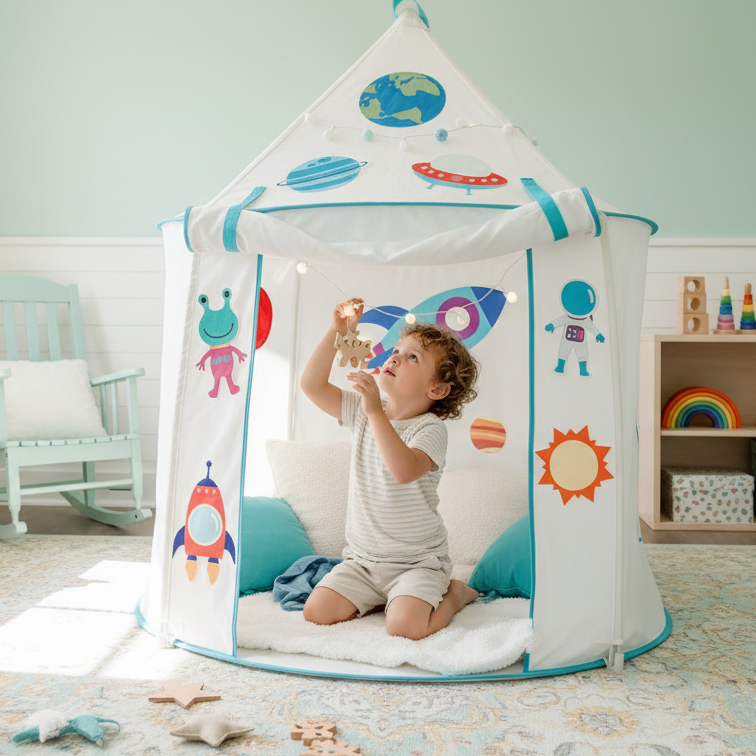
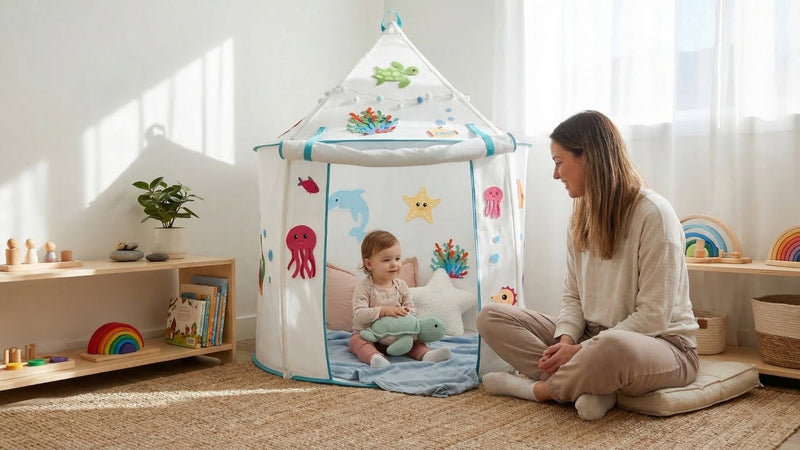
A calm corner is a designated space where a child can go to regulate their emotions in a safe and supportive environment. It is not used as a punishment. Instead, it is a tool for helping children understand and manage their feelings.
A calm corner may include soft cushions, books, sensory toys, or simple calming tools. The space is designed to feel comforting and inviting. Children are encouraged to use it when they feel upset, overwhelmed, or frustrated.
The focus is not on isolating the child, but on guiding them toward self-awareness and emotional control.
Key Differences Between Calm Corner and Time-Out
The most important difference lies in intention. Time-out is often used to correct behavior, while a calm corner is used to support emotional regulation.
Time-out typically separates the child from the situation as a consequence. A calm corner, on the other hand, is introduced as a positive space where the child can go voluntarily or with gentle guidance.
In a time-out, the emphasis is often on stopping behavior. In a calm corner, the emphasis is on understanding feelings and learning how to respond to them.
Another key difference is the emotional experience. Time-outs can sometimes make a child feel isolated or rejected, especially if not handled carefully. A calm corner is designed to help the child feel safe, supported, and understood.
Which Approach Works Better?
There is no single method that works for every child or every situation. However, many modern parenting approaches, including Montessori and gentle parenting, favor strategies that focus on emotional development rather than punishment.
A calm corner can be especially helpful for toddlers, who are still learning how to process emotions. It gives them a structured way to calm down without feeling disconnected from their caregiver.
That said, boundaries remain important. A calm corner should not replace clear expectations or consistent guidance. Instead, it should work alongside them.
Some parents may choose to use a balanced approach. For example, they may set firm limits on behavior while also offering a calm space for the child to regulate emotions.
How to Introduce a Calm Corner at Home
Introducing a calm corner should be done during a peaceful moment, not during a meltdown. Parents can explain that it is a special place where the child can go when they feel upset or need quiet time.
It is helpful to keep the space simple and accessible. Soft textures, a favorite toy, or a small collection of calming items can make the space inviting. The goal is not to create a perfect setup, but to create a consistent and comforting environment.
Parents should also model how to use the space. Sitting with the child, guiding breathing, or naming emotions can make the calm corner more effective over time.
Final Thoughts
Both calm corners and time-outs aim to guide children through difficult behavior, but they do so in very different ways. Time-outs focus on stopping behavior, while calm corners focus on teaching emotional skills.
For many families, shifting from correction to connection can make a meaningful difference. When children feel supported in their emotions, they are more likely to develop the skills needed to manage those emotions independently.
In the long run, the goal is not just better behavior, but stronger emotional resilience and a deeper sense of security.
Frequently Asked Questions
1. Is a calm corner better than time-out?
A calm corner is often preferred in modern parenting approaches because it focuses on emotional development rather than punishment. However, effectiveness depends on how each method is used and the child’s needs.
2. At what age can I introduce a calm corner?
A calm corner can be introduced as early as 18 months to 2 years, using simple language and guidance. Toddlers benefit from having a safe space to calm down.
3. Can time-outs harm a child emotionally?
Time-outs are not inherently harmful, but if used harshly or frequently, they can make a child feel isolated. It is important to use them calmly and with clear communication.
4. Should I force my child to go to the calm corner?
It is better to guide rather than force. Encouraging the child and modeling how to use the space helps build trust and long-term effectiveness.
5. What should I include in a calm corner?
You can include soft cushions, books, sensory toys, calming visuals, or simple tools like a soft toy or a breathing card. Keep it simple and comforting.
6. How long should a child stay in a calm corner?
There is no fixed time. The goal is to help the child calm down, not to impose a time limit. Some children may need a few minutes, while others may need longer.
7. Can I use both calm corner and time-out together?
Yes, some parents use a balanced approach. They set clear boundaries while also offering a calm space for emotional regulation.
8. What if my child refuses to use the calm corner?
This is common at first. Continue to model its use during calm moments and gently encourage it over time. Consistency and patience are key.





Comment (0)