
Child Development Begins With Play: Why the Way Children Play Matters More Than Ever
Child development doesn’t happen in worksheets or lesson plans.
It unfolds quietly—through curiosity, imagination, movement, and moments of uninterrupted play. Long before children can explain what they’re learning, they are absorbing how the world works, how emotions feel, and how their own ideas matter.
Play is not something children do after learning.
It is how learning happens.
Understanding Child Development Beyond Milestones
When we think about child development, we often focus on milestones:
First words. First steps. Numbers. Letters.
But development is much deeper than skills that can be measured.
It includes:
-
Emotional regulation
-
Confidence and independence
-
Problem-solving
-
Creativity and imagination
-
Social understanding
-
Resilience
These qualities don’t grow through instruction alone. They grow through experience—and play is one of the richest experiences children have.
Why Play Is the Foundation of Development
Play gives children a safe space to explore who they are and how the world responds to them.
Through play, children:
-
Test ideas and see outcomes
-
Learn cause and effect
-
Explore emotions without risk
-
Practice communication and empathy
-
Build persistence through trial and error
When play is child-led and open-ended, children aren’t following directions. They’re developing their inner compass—learning to trust their own thinking.
The Role of Imaginative Play in Cognitive Growth
Imaginative play allows children to move beyond the concrete and into possibility.
When a child pretends a blanket is a cave or a sticker is a hero, they are:
-
Strengthening abstract thinking
-
Building storytelling and language skills
-
Practicing flexible problem-solving
-
Connecting ideas across experiences
This type of play supports cognitive growth not by narrowing focus, but by expanding it.
Emotional Development Happens in Quiet Moments
Children don’t always process emotions through conversation.
Often, they process feelings through action.
Replaying a scenario.
Building and rebuilding.
Creating characters that experience fear, bravery, or comfort.
These moments of play help children:
-
Make sense of emotions
-
Practice self-regulation
-
Feel in control during uncertainty
Calm, predictable play environments make this emotional work easier. When children feel safe, their nervous systems can settle—and learning follows.
Why Environment Matters in Child Development
The space where play happens has a powerful influence on how children develop.
Highly stimulating environments can overwhelm young minds, while calmer, more contained spaces support:
-
Longer attention spans
-
Deeper engagement
-
Emotional regulation
-
Independent play
That’s why many families are rethinking play environments—not just toys.
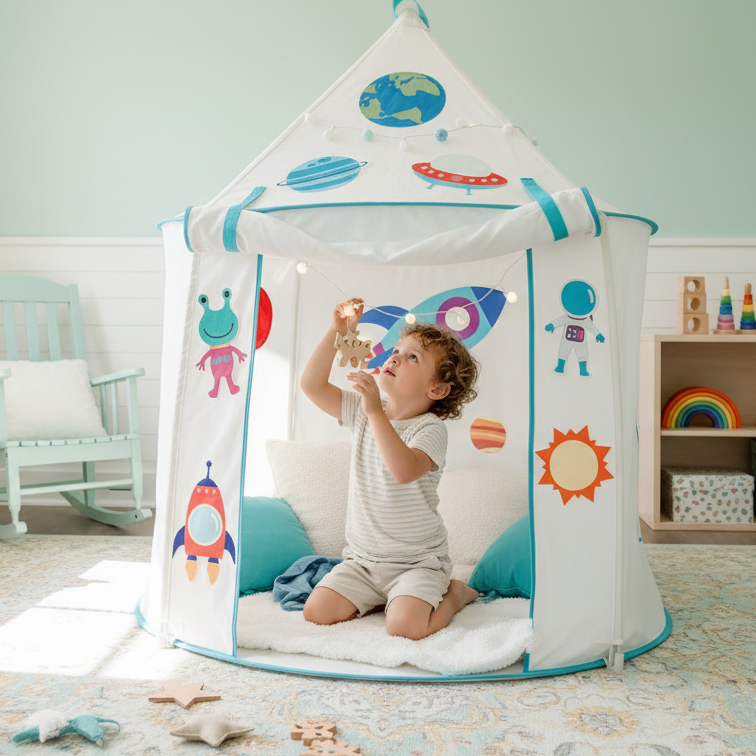
Adaptable spaces that invite imagination, such as customizable play tents like ZeeZee Adventures, allow children to return to the same environment while creating new stories each time. The structure stays familiar, but the experience evolves as the child grows.
The real value lies in flexibility—not novelty.
Open-Ended Play Supports Growth Over Time
Toys and spaces that allow only one way to play often lose relevance quickly.
Open-ended play, on the other hand, grows with the child.
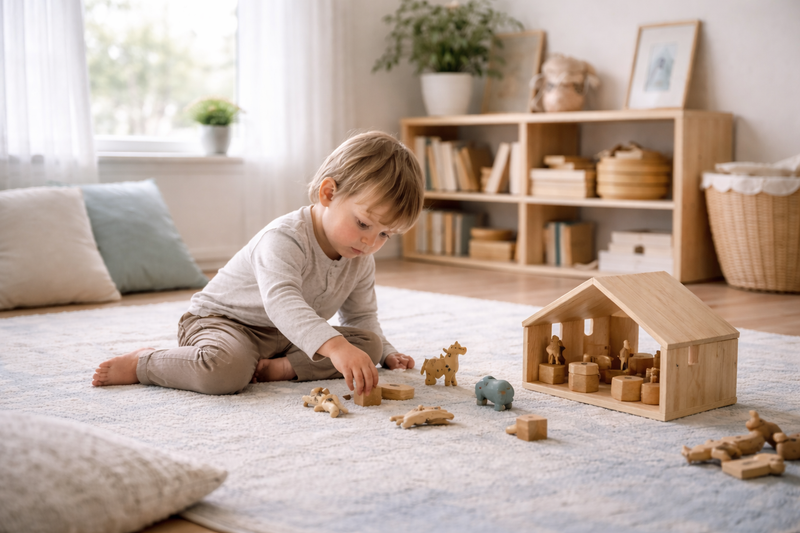
What begins as simple pretend play can evolve into complex storytelling, problem-solving, and emotional expression. This continuity supports long-term development because children don’t have to start over—they build on what they already know.
Supporting Child Development at Home
Parents don’t need to create perfect playrooms or follow strict philosophies to support development.
Small, thoughtful choices matter:
-
Allowing uninterrupted playtime
-
Choosing adaptable, imagination-friendly materials
-
Creating a calm, predictable play space
-
Letting children lead the play
When children are trusted with their own play, they develop trust in themselves.
The Bigger Picture
Child development isn’t about pushing children forward faster.
It’s about giving them the space to grow fully.
When we protect play—especially imaginative, open-ended, child-led play—we support more than learning. We support confidence, emotional well-being, creativity, and resilience.
These are the foundations children carry with them long after childhood.





Comment (0)