
Cozy Play Corner Ideas Every Parent Should Try
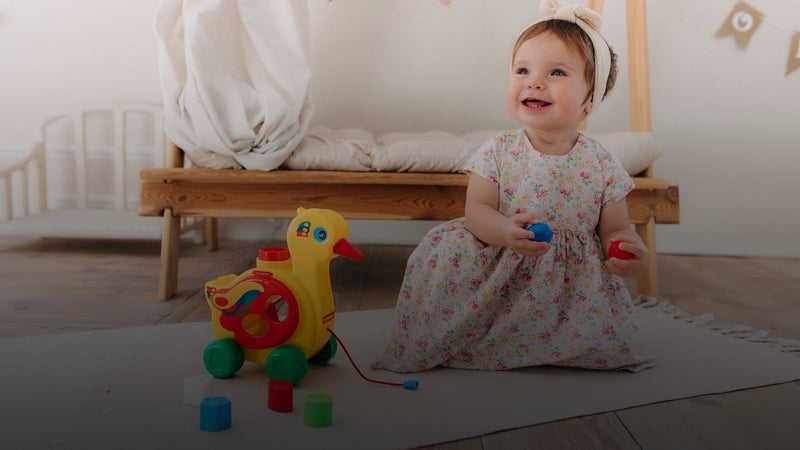
Children have always been naturally drawn to cosy spaces.
A blanket draped over a table.
A reading corner beside a window.
A small hideaway filled with cushions and books.
To adults, these spaces may seem simple. To children, they often become entire worlds — places where stories unfold, imagination grows, and quiet moments feel comforting and safe.
In today’s fast-moving world, many homes are filled with constant stimulation. Bright toys, screens, noise, and busy schedules compete for children’s attention throughout the day. While energetic activity is an important part of childhood, research increasingly suggests that children also benefit from calm, thoughtfully designed environments that encourage focus, creativity, and emotional regulation.
This is one reason why cosy play corners have become increasingly popular among modern families. They offer children something many environments no longer provide naturally: a sense of calm ownership over their own little world.
The good news is that creating a meaningful play corner does not require a large home, expensive furniture, or a dedicated playroom. Often, the most effective spaces are the simplest.
What matters most is how the space feels.
Why Cozy Play Spaces Matter for Children
Children experience the world differently from adults.
Their brains are still developing the ability to process sensory information, regulate emotions, and filter distractions. As a result, environments can have a powerful influence on how children play, learn, and feel.
Busy spaces filled with excessive stimulation may sometimes lead to shorter attention spans and fragmented play. In contrast, calmer environments often encourage children to engage more deeply with activities and ideas.
A cosy play corner creates:
- emotional comfort
- a sense of safety
- opportunities for independent play
- longer periods of focus
- deeper imaginative thinking.
These smaller spaces also help children feel ownership and control over their environment. A child-sized corner can become a place where they feel free to invent stories, explore ideas, or simply relax quietly.
Many child psychologists describe these types of spaces as important “retreat environments” — areas where children can step away from overstimulation and regulate themselves naturally.
In many ways, cosy play corners support both imagination and well-being simultaneously.
Create a Reading Nook Children Actually Want to Use
One of the simplest and most valuable play corner ideas is creating a dedicated reading nook.
Children are far more likely to engage with books when reading feels inviting and comfortable rather than instructional.
A thoughtfully designed reading corner does not need to be elaborate. In fact, simplicity often works best.
A small rug, a few soft cushions, warm lighting, and accessible bookshelves can completely transform a quiet corner into a calming retreat.
Some families also include:
- canopy drapes
- soft floor mattresses
- fairy lights
- tactile blankets
- small wall shelves for books.
The key is creating an environment where children naturally want to spend time.
Research consistently shows that comfortable reading environments can support:
- language development
- concentration
- emotional connection with stories
- independent learning habits.
More importantly, children begin to associate reading with comfort and enjoyment rather than obligation.
Over time, these small positive experiences can help nurture lifelong reading habits.
Use Open-Ended Toys Instead of Overstimulating Toys
Many modern toys are designed around fixed experiences.
A themed electronic toy performs one function.
A battery-powered game follows a predictable sequence.
A heavily scripted playset encourages one particular storyline.
While these toys may create short bursts of excitement, they often lose their appeal relatively quickly because the possibilities become limited once children discover everything the toy can do.
Open-ended play materials work differently.
Instead of controlling the experience, they invite children to shape the experience themselves.
Examples include:
- wooden blocks
- art materials
- dolls and figurines
- soft play fabrics
- pretend play accessories
- modular play environments.
These types of materials encourage children to invent stories, solve problems, and explore ideas independently.
One day, a simple setup may become a café.
The next day, a castle.
A week later, a spaceship.
Because the possibilities continuously evolve, children often remain engaged for much longer periods.
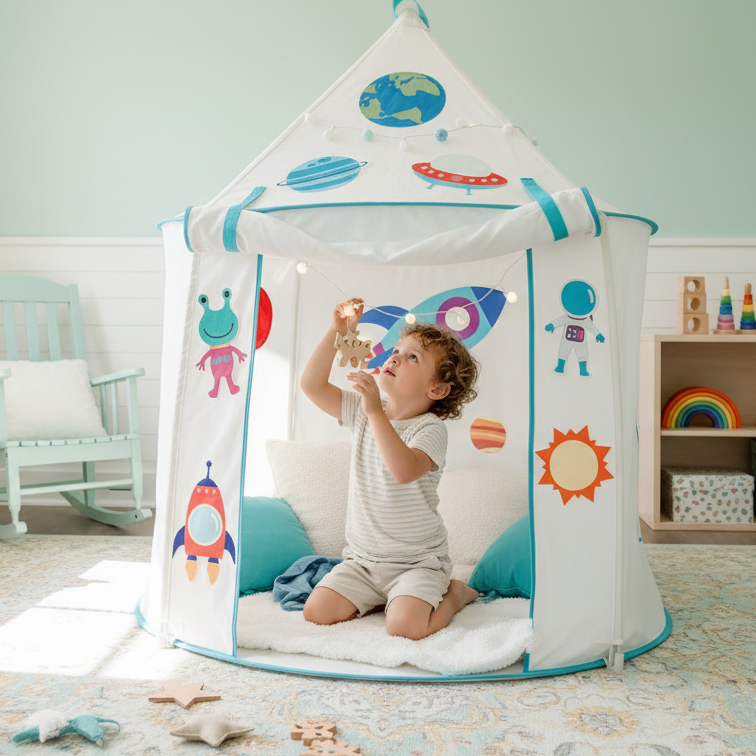
This is one reason why many families are moving towards flexible play environments such as modular play corners or imaginative hideaways. Spaces inspired by open-ended play philosophies — including adaptable setups like ZeeZee Adventures play environments — encourage children to reshape the space according to their imagination rather than follow a fixed script.
The focus shifts away from passive entertainment and towards active creativity.
Introduce Soft Lighting for a Calmer Atmosphere
Lighting has a surprisingly strong influence on how children experience a space.
Bright overhead lights and harsh artificial lighting can sometimes make environments feel overstimulating or emotionally cold. Softer lighting, on the other hand, often creates a sense of warmth and security.
This is why many cosy play corners include:
- warm lamps
- fairy lights
- soft natural light
- dimmable lighting
- gentle glow lighting near reading areas.
These softer lighting choices help create an atmosphere that feels peaceful and inviting.
Children often spend longer periods engaged in quiet play when the environment feels calm rather than visually overwhelming.
Soft lighting also helps define the play corner as a distinct emotional space within the home — somewhere separate from busy daily routines.
Many parents notice that children naturally gravitate towards these calmer environments during quiet play, reading time, or emotional downtime.
Choose Calm Colours and Soft Textures
Colour psychology plays an important role in children’s environments.
Highly saturated colours and visually busy surroundings may contribute to overstimulation, particularly in younger children. While bright accents can certainly add energy and personality, balance is important.
Many modern child-development-inspired spaces now favour:
- soft neutrals
- muted greens
- calming blues
- warm earth tones
- natural textures.
These palettes often create environments that feel emotionally grounding while still remaining playful and creative.
Textures matter as well.
Soft rugs, cushions, knitted blankets, linen fabrics, and tactile materials can make a play corner feel comforting and welcoming. These sensory details help children relax and feel secure within the space.
A calm environment does not reduce creativity.
In many cases, it actually supports it by reducing unnecessary sensory distraction and allowing imagination to become the centre of attention.
Include Spaces for Independent Quiet Play
Not all play needs to be loud or highly energetic.
Children also benefit enormously from moments of independent quiet play.
These quieter experiences help children:
- develop concentration
- regulate emotions
- Practice independent thinking
- strengthen creativity
- build confidence in solitary exploration.
Small enclosed spaces are particularly effective for this type of play because they create a sense of comfort and containment.
Children naturally enjoy environments that feel slightly separated from the rest of the room. This is why blanket forts, tents, canopy corners, and hideaways remain timeless favourites.
Inside these smaller environments, children often:
- invent stories
- draw and create
- read independently
- roleplay
- process emotions quietly.
Many families now intentionally create calm corners specifically designed for this purpose.
Flexible imaginative spaces such as ZeeZee Adventures setups are often used in this way because they allow children to personalise the environment according to how they want to play or relax on a given day.
Sometimes it becomes an adventure space.
Sometimes a reading nook.
Sometimes simply a comforting place to unwind.
Rotate Toys Instead of Buying More
One of the most effective ways to improve a play corner is surprisingly simple:
Reduce the number of visible toys.
Research into play behaviour suggests that children frequently engage more deeply and creatively when fewer toys are available at once.
Too many options can fragment attention and make sustained play more difficult.
Toy rotation helps solve this problem beautifully.
Instead of displaying every toy simultaneously, parents can rotate smaller groups of toys every few weeks. This creates:
- renewed curiosity
- reduced clutter
- more focused engagement
- better appreciation for familiar toys.
Children often rediscover older toys with fresh enthusiasm simply because the environment feels less visually overwhelming.
This approach also helps maintain calmer and more organised play spaces, which further supports focused imaginative play.
Add Natural Elements Wherever Possible
Nature has a calming effect on children.
Even small natural details can make a play space feel warmer and more emotionally grounding.
Some simple ways to introduce natural elements include:
- wooden furniture
- woven baskets
- indoor plants
- natural fabrics
- nature-inspired colours
- soft daylight near windows.
Research in environmental psychology consistently suggests that natural environments support emotional well-being and cognitive focus in children.
Even if outdoor access is limited, bringing natural textures and materials indoors can help create a more soothing atmosphere.
These details may seem subtle, but they often have a significant effect on how a space feels emotionally.
Make the Space Flexible as Children Grow
Children’s interests evolve constantly.
A play corner that feels magical at age four may need to function differently by age seven or eight.
The best play spaces are not rigidly themed or permanently fixed. Instead, they allow children to reshape the environment as their imagination changes.
A cosy corner might become:
- a pretend café
- an art studio
- a reading hideaway
- a science station
- a puppet theatre
- a quiet reflection space.
This adaptability is one reason modular play concepts have become increasingly popular among modern families.
Rather than constantly replacing toys or redesigning entire rooms, flexible environments evolve naturally with the child.
This creates more meaningful long-term engagement while also reducing unnecessary clutter and consumption.
The Emotional Value of a Child’s Own Space
One of the most overlooked aspects of cosy play corners is the emotional significance they hold for children.
Children deeply value spaces that feel personal.
Even a very small corner can become emotionally meaningful when it feels safe, predictable, and uniquely theirs.
These spaces often become:
- comfort zones during overwhelming moments
- places for emotional regulation
- environments for imaginative independence
- quiet escapes from busy routines.
For many children, these little corners become some of their strongest childhood memories.
Not because they were expensive or elaborate.
But because they felt comforting.
Cozy Play Spaces Are About More Than Decoration
It is easy to view play corners as simply another interior design trend.
But thoughtfully designed play environments can genuinely influence how children:
- focus
- imagine
- regulate emotions
- engage independently
- interact with their surroundings.
The goal is not perfection.
Nor is it about creating picture-perfect spaces for social media.
The most successful play corners are usually the ones that feel warm, flexible, and genuinely welcoming to children.
Sometimes the most meaningful childhood spaces are not the loudest or most elaborate.
They are the quiet corners where imagination feels limitless, stories unfold naturally, and children feel entirely free to be themselves.
- Baby Registry
- Baby Shower
- Best gifts
- best play tent
- Best toys
- Best toys 2025
- Best toys 2026
- birthday gift ideas for 3 year old
- birthday gift ideas for 4 year old
- birthday gift ideas for 5 year old
- birthday gift ideas for 6 year old
- birthday gift ideas for 7 year old
- Blog
- calming toys
- child development
- children
- christmas gift ideas
- customizable play tent
- gift for kids ages 3–8
- Holidaygiftguide
- jeanpiaget
- kids play tent
- Montesoori
- montessori
- Montessori Gifts
- Montessori play
- open-endedplay
- openendedplay
- parenting
- parents
- play tent
- Play Tents
- playroom inspo
- pretend play
- sahm
- Sensory Play
- sensory play gifts
- teepee play tent
- toddler toys
- tonies
- toyclutter
- toys
- ZeeZee
- ZeeZee Adventure
- ZeeZee Adventure Tent
- ZeeZee Adventures



Comment (0)