
Easy Pretend Play Setups Using Household Items
A practical guide for turning everyday things around your home into imaginative adventures for toddlers and preschoolers.
A cardboard box can become a spaceship.
A bedsheet can become a secret cave.
A few cushions can turn into a mountain range.
And suddenly, you have a play setup without buying another toy.
That is the beauty of pretend play.
Children don't always need more things. Often, they need permission to see the things they already have differently.
Pretend play gives children opportunities to create characters, invent stories, explore familiar experiences and communicate their ideas. And when the materials are open-ended, children get to decide what those objects become.
The best part for parents?
Most of these setups take only a few minutes.
Quick Answer
Some of the easiest pretend play setups use everyday household items such as cardboard boxes, blankets, cushions, paper, baskets, wooden spoons and empty containers. These objects can become shops, restaurants, hospitals, campsites, spaceships and more. Start with a simple scenario, provide a few safe props and let your child decide how the story develops.
Why Household Items Make Great Pretend-Play Props
A toy designed to be a kitchen can encourage kitchen play.
But a cardboard box?
It could be a kitchen.
Or a car.
Or a rocket.
Or a shop.
Or a bed for a giant teddy bear.
Because the object has no fixed imaginary purpose, your child has to supply one.
This is what makes ordinary household materials so useful for open-ended play.
You are not giving your child a finished story.
You are giving them something to build a story around.
1. Turn a Cardboard Box Into a Spaceship
You need:
-
One large cardboard box
-
Paper
-
Crayons
-
A few soft toys
Cutting the box isn't even necessary.
Your child can sit inside and decide that they are travelling through space.
Paper can become a control panel.
A cardboard tube can become a telescope.
Soft toys can become fellow astronauts.
Ask:
"Where are we going?"
Then let the mission begin.
2. Create a Restaurant With Kitchen Items
You need:
-
Cups
-
Plates
-
Napkins
-
Wooden spoons
-
Empty food containers
Your child can become the chef or restaurant owner.
They can create a menu and decide what the restaurant serves.
You become the customer.
Try ordering something unusual.
Then let your child explain what they have prepared.
3. Build a Cosy Camping Spot
You need:
-
A blanket or bedsheet
-
Cushions
-
Soft toys
-
A torch, used safely with adult supervision
Drape a blanket over suitable furniture to create a cosy shelter, ensuring the setup is stable and safe.
Now the living room becomes a campsite.
Your child can pack imaginary supplies, search for animals and tell stories.
The setup can be as simple as a blanket on the floor.
The imagination does the rest.
4. Open a Pretend Shop
You need:
-
Empty food containers
-
A basket
-
Paper
-
Crayons
Arrange the containers as products.
Your child can decide the prices.
Paper can become signs or shopping lists.
Then let them run the shop.
You might hear:
"Can I help you?"
That's the beginning of a conversation.
5. Create a Doctor's Clinic
You need:
-
Soft toys
-
A small bag
-
Paper
-
A blanket
The soft toys become patients.
The bag becomes the doctor's kit.
The blanket becomes the hospital bed.
Your child decides what is wrong.
Perhaps the teddy has a sore paw.
Perhaps the rabbit needs a check-up.
The story can change from one patient to the next.
6. Make a Pretend Post Office
You need:
-
Paper
-
Envelopes
-
A small bag or basket
-
Stickers
Your child can draw letters, create parcels and deliver them around the house.
Perhaps there is an important letter that must reach a particular person.
Suddenly, walking from one room to another becomes part of the adventure.
7. Turn Chairs Into a Train
You need:
-
Two or more chairs
-
Paper tickets
-
A bag
Line the chairs up.
One child becomes the driver.
Someone else can be the passenger.
Create a destination.
Then ask:
"What's the next stop?"
The journey can go anywhere.
8. Create an Airport
You need:
-
Paper
-
A bag
-
Chairs
-
Toy vehicles, if available
Make pretend boarding passes.
Create an airport desk.
Pack luggage.
Announce departures.
The destination could be London, the jungle, or the Moon.
There are no limits.
9. Make a Garden Centre
You need:
-
Plant pots
-
Safe leaves or flowers
-
Paper
-
A basket
Your child can arrange an imaginary garden centre.
They can sell plants, help customers and create signs.
If you have a garden, this pretend setup can naturally transition into genuine gardening.
10. Create a Veterinary Clinic
You need:
-
Soft toys
-
A blanket
-
Paper
-
A small box
Your child's toys become patients.
One might need a check-up.
Another might need a quiet place to rest.
Your child can decide what happens.
11. Build an Indoor Jungle
You need:
-
Cushions
-
Blankets
-
Plants
-
Animal toys or soft toys
Place cushions around the room to create imaginary obstacles.
A blanket can become a river.
Plants can become jungle vegetation.
Your child becomes the explorer.
What animals will they discover?
12. Create an Underwater World
You need:
-
Blue blankets or fabric
-
Cushions
-
Animal toys
-
A cardboard box
The blanket becomes the ocean.
The cardboard box becomes a submarine.
Your child can explore the imaginary sea floor.
Maybe they discover a hidden underwater city.
Maybe they meet a friendly whale.
13. Make a Detective Headquarters
You need:
-
Notebook
-
Pencil
-
Magnifying glass, if available
-
A few safe objects
Hide a toy.
Create a mystery.
Your child can draw clues, interview imaginary witnesses and search for evidence.
Once they understand the game, let them create a mystery for you.
14. Turn a Table Into a Museum
You need:
-
Small safe objects
-
Paper
-
Crayons
Your child can choose a few objects and create a museum exhibition.
They can give each item a name.
Then give you a guided tour.
You may learn some fascinating things about objects you thought you already knew.
15. Create a Theatre
You need:
-
Blanket
-
Soft toys
-
Paper
-
Crayons
The blanket can become a curtain.
Soft toys become the audience.
Your child becomes the performer.
They can create characters, invent dialogue and decide how the story ends.
16. Build a Treasure Hunt
You need:
-
Paper
-
Pencil
-
Small safe objects
Hide a few objects around the house.
Draw a simple map.
Create clues.
Then let your child become the explorer.
Once they've solved yours, ask them to make one for you.
17. Make an Inventor's Workshop
You need:
-
Cardboard
-
Paper
-
Tape
-
Safe recyclable materials
Tell your child they are an inventor.
What are they building?
A robot?
A flying machine?
A machine that feeds the cat?
It doesn't need to work.
The invention exists in their imagination.
18. Create a Pretend Café
You need:
-
Cups
-
Plates
-
Paper
-
Crayons
-
A tray
Your child can create a café menu and decide what is served.
You can become the customer.
Ask about today's special.
Then follow their answer.
19. Turn a Blanket Into a Castle
You need:
-
Blankets
-
Cushions
-
Soft toys
Create a simple cosy space.
Your child can decide who lives in the castle.
Perhaps there is a king.
Perhaps there is a dragon.
Perhaps the castle belongs to a family of bears.
There is no correct answer.
20. Build a Storybook World
You need:
-
A favourite storybook
-
Soft toys
-
Blankets
-
Cushions
Choose a familiar story.
Then recreate it.
But don't feel obligated to follow the original.
Ask:
"What if the story happened differently?"
Your child can change the characters, setting or ending.
The Five-Minute Pretend Play Setup
Don't have time to create an elaborate activity?
Try this.
Choose:
One object + one role + one problem.
For example:
Object: Cardboard box
Role: Astronaut
Problem: The spaceship has lost power.
That's enough.
You don't need a craft project.
You don't need printable worksheets.
You don't need a 20-step activity.
You need a starting point.
Your child can create everything else.
A Few Rules for Using Household Items Safely
Household objects can be wonderful play materials, but they aren't automatically suitable for children.
Always choose age-appropriate items and supervise where needed.
Avoid small objects that could present a choking risk for young children.
Avoid sharp edges, fragile objects, cords, plastic bags and anything that could become unsafe during active play.
If using furniture to create forts or tents, make sure the structure is stable and cannot easily fall.
The simplest materials are often the safest.
Don't Turn Your Home Into a Theme Park
You don't need to create a new pretend-play setup every day.
Children often return to the same imaginary world because repetition allows them to develop it.
Today's restaurant might become tomorrow's hotel.
The hotel might become a spaceship.
The spaceship might land in the jungle.
Let the story evolve.
Your child doesn't need endless novelty.
They need opportunities to explore.
Create a Space They Can Return To
A dedicated play environment can make this even easier.
Rather than dismantling every imaginative world at the end of the day, children can have a familiar place where their stories continue.
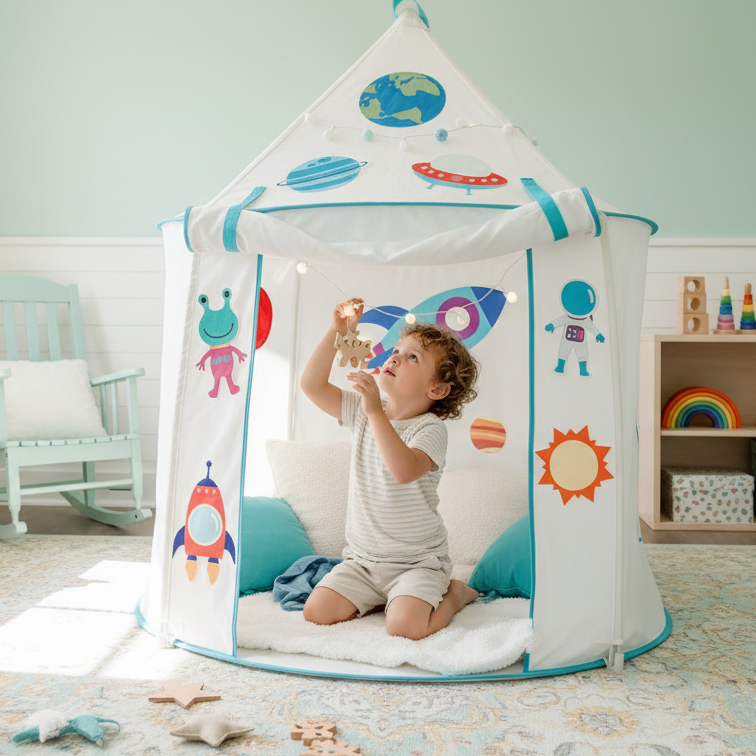
This is one of the ideas behind the ZeeZee Adventure Tent.
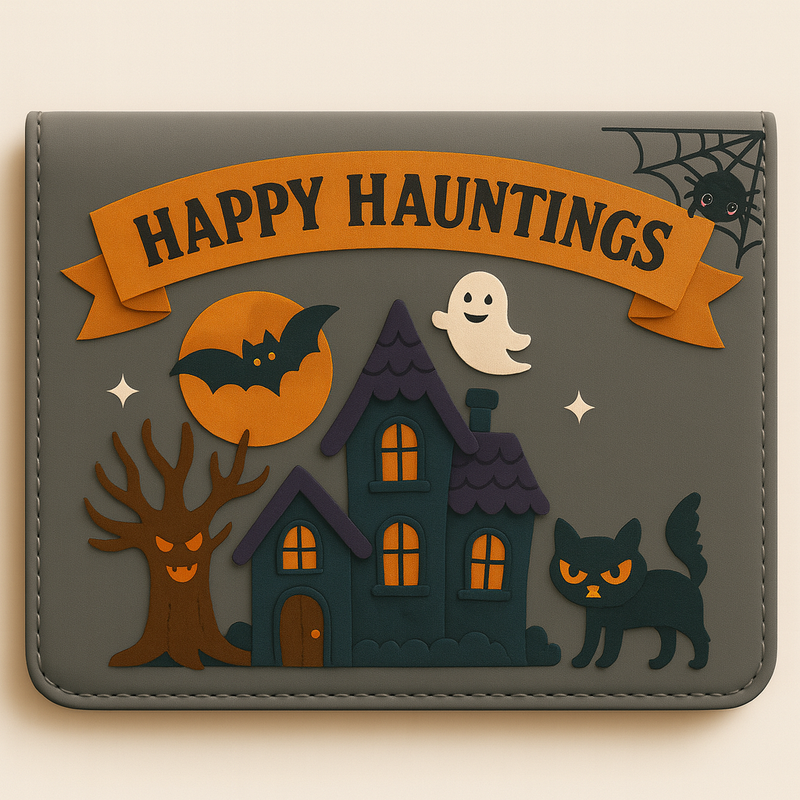
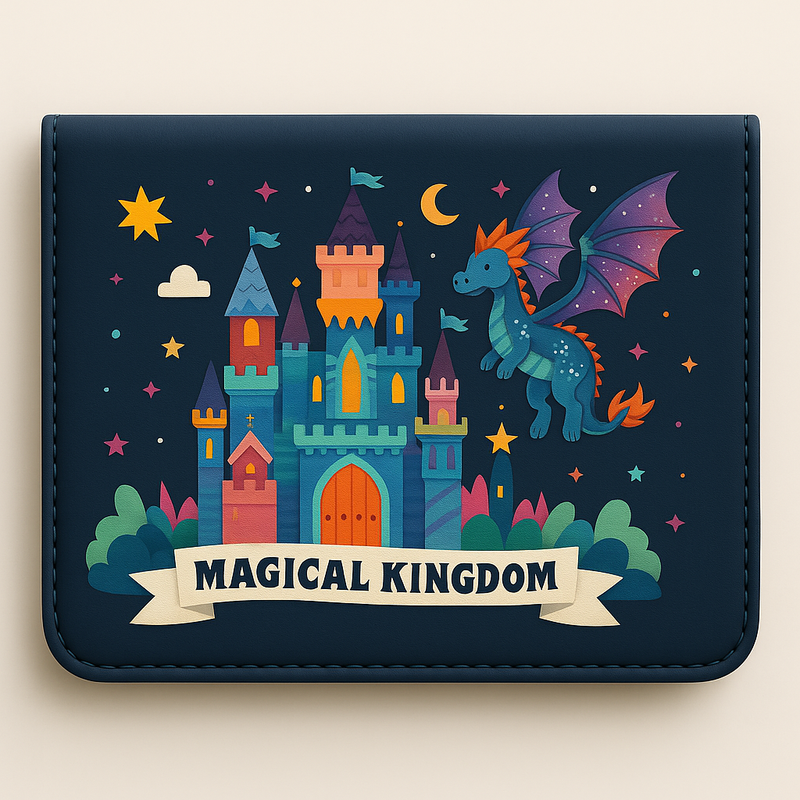
The tent can become a cosy retreat, reading nook, or imaginative play space, while interchangeable StickeeZ themes provide new visual starting points for different adventures.
The same space can become a jungle one day and a castle the next.
But the child remains the storyteller.

The Parent's Role: Set Up, Then Step Back
Perhaps the most useful rule of all is this:
Don't do too much.
Set up the materials.
Introduce the idea.
Then watch.
Your child may take the game in a direction you never expected.
That's a good thing.
If the restaurant becomes a spaceship, let it.
If the doctor becomes a dinosaur, let it.
If the treasure hunt becomes a tea party, let it.
Imagination doesn't need to follow a plan.
A Simple Household Pretend-Play Basket
If you want to make spontaneous play easier, create a small basket containing:
-
Scarves
-
Paper
-
Crayons
-
Cardboard tubes
-
Empty containers
-
Soft toys
-
Small baskets
-
Wooden spoons
-
Fabric pieces
-
A few favourite books
Keep it somewhere accessible.
You don't need to add something every week.
Rotate a few items occasionally and see what your child creates.
The Real Magic Is the Transformation
The cardboard box doesn't matter because it is a box.
It matters because your child can decide what it becomes.
That's the heart of open-ended pretend play.
A simple object can become a place.
A role can become a story.
A story can become a conversation.
And a conversation can become a shared adventure.
So the next time you find yourself thinking, "We need another activity," look around first.
You might already have everything you need.
A Little Challenge for This Week
Choose three ordinary household objects.
For example:
A blanket.
A cardboard box.
A soft toy.
Put them somewhere your child can see them.
Don't explain what they are for.
Then wait.
See what they become.
You may be surprised by how little children need to create a very big world.
More Simple Setups, Creative Props and Ways to Keep Play Open-Ended
You don't need a dedicated playroom to encourage pretend play.
Sometimes, the best setups are the ones that take five minutes to create and can be packed away just as easily.
A few chairs can become a train.
A blanket can become a campsite.
A cardboard box can become almost anything.
The important part is not how impressive the setup looks.
It is whether your child has room to decide what happens next.
In Part 1, we explored simple setups such as restaurants, shops, hospitals, airports and imaginary adventures. Now let's go further by looking at more ways to use everyday household objects, how to encourage children without taking control, and how to create spaces that invite independent imagination.
Turn Ordinary Objects Into Open-Ended Props
One of the easiest ways to make pretend play accessible is to create a small collection of objects that don't have one fixed purpose.
Think of materials that can be transformed.
A scarf can become a superhero cape.
A basket can become a boat.
A cardboard tube can become a telescope.
A blanket can become a river.
A box can become a house.
The object doesn't provide the whole idea.
Your child completes it.
That is what makes open-ended materials so useful.
21. Create a Superhero Headquarters
You need:
-
A blanket
-
Cushions
-
Cardboard
-
Paper
-
Crayons
Create a small headquarters using blankets and cushions.
Your child can decide who the superheroes are and what their mission is.
Perhaps they need to rescue a toy.
Maybe a mysterious villain has stolen something.
Or perhaps the superheroes are simply planning their next adventure.
Give them the starting point.
Let them create the rest.
22. Build a Pretend Bakery
You need:
-
Bowls
-
Wooden spoons
-
Empty food containers
-
Paper
-
Crayons
Your child can create an imaginary bakery.
They can invent cakes, biscuits and bread, create a menu and decide what the day's special is.
You can become a customer and ask what they recommend.
23. Create a Travel Agency
You need:
-
Paper
-
Crayons
-
Envelopes
-
A bag
Your child can create imaginary holiday destinations.
Perhaps one trip goes to the beach.
Another goes to the jungle.
Another goes to the Moon.
They can create tickets, itineraries and travel plans.
The destination doesn't need to exist in the real world.
24. Make a Rescue Centre
You need:
-
Soft toys
-
Blankets
-
Boxes
-
Paper
Create a safe place for animals that need help.
Your child can decide why each animal has arrived.
Maybe a bird has lost its nest.
A teddy bear needs somewhere quiet to rest.
A puppy needs to find its family.
Let your child decide how the rescue story unfolds.
25. Turn the Sofa Into a Mountain
You need:
-
Cushions
-
Blankets
-
Soft toys
Create an imaginary mountain expedition.
The floor becomes the valley.
Cushions become mountains.
A blanket can become a river.
Your child can decide how the explorers reach the top.
26. Create a Pretend School
You need:
-
Paper
-
Pencils
-
Books
-
A few chairs
Your child can become the teacher.
Soft toys can become the pupils.
They can create lessons, take attendance, and decide what the class is learning.
And don't be surprised if you are given homework.
27. Build a Space Rescue Mission
You need:
-
Cardboard box
-
Blankets
-
Paper
-
Soft toys
Create a spaceship.
Now give the story a problem.
An astronaut is stranded.
The spaceship has lost communication.
A planet needs help.
Your child decides what happens next.
A simple problem can give the imaginary story somewhere to go.
28. Create a Pretend Hair Salon
You need:
-
Brush
-
Towels
-
Empty containers
-
Mirror
Your child can become the stylist.
Soft toys can become customers.
They can invent hairstyles, create appointments, and decide what services the salon offers.
Avoid using real scissors or other sharp objects as props.
29. Open a Pretend Post Office
You need:
-
Paper
-
Envelopes
-
Stickers
-
A small bag
Create letters and packages.
Your child can sort them and deliver them around the house.
Perhaps one package contains a mysterious object.
Perhaps a letter needs to reach someone urgently.
The story can grow from there.
30. Create a Magical Potion Lab
You need:
-
Empty containers
-
Wooden spoons
-
Paper
-
Crayons
Your child can become a magical scientist.
They can invent imaginary potions.
One might make you invisible.
Another might help animals talk.
Another might make it rain stars.
The important part is that the child decides what each potion does.
31. Build a Pretend Hotel
You need:
-
Cushions
-
Blankets
-
Paper
-
Bags
Your child can become the hotel manager.
You arrive as a guest.
Ask about the available rooms.
Perhaps there is a jungle room.
A castle room.
A space room.
Let your child design the hotel.
32. Create an Animal Hotel
You need:
-
Soft toys
-
Boxes
-
Blankets
-
Paper
Each animal needs a room.
Your child can decide where everyone sleeps and what they need.
Perhaps the elephant needs a very large room.
Maybe the mouse needs somewhere cosy.
33. Become News Reporters
You need:
-
Paper
-
Pencil
-
A safe household object as a pretend microphone
Your child can report the day's biggest imaginary news.
Maybe a dinosaur has been spotted.
Perhaps a spaceship has landed.
Maybe the family cat has become mayor.
The stranger the news becomes, the more imaginative the story can be.
34. Create a Museum of Wonderful Things
You need:
-
Safe household objects
-
Paper
-
Crayons
Let your child choose a few objects.
They can decide that each one is a rare museum artefact.
Then they can give you a tour.
You may discover that an ordinary spoon is actually a 500-year-old royal treasure.
35. Create a Detective Headquarters
You need:
-
Notebook
-
Pencil
-
Small safe objects
-
Envelopes
Give your child a mystery.
Something has disappeared.
Who took it?
Where did it go?
Your child can create clues and solve the case.
Once they've solved yours, let them create one for you.
36. Turn the Bedroom Into a Jungle
You need:
-
Cushions
-
Blankets
-
Plants
-
Animal toys
Create imaginary obstacles.
The bed might become a mountain.
A blanket might become a river.
Soft toys become jungle animals.
Your child becomes the explorer.
37. Create an Underwater Research Station
You need:
-
Blue fabric or blankets
-
Cardboard box
-
Animal figures
-
Paper
The box becomes a submarine.
The blanket becomes the ocean.
Your child can explore the underwater world and document what they discover.
38. Build a Pretend Theatre
You need:
-
Blanket
-
Soft toys
-
Paper
-
Crayons
The blanket becomes a curtain.
The soft toys become the audience.
Your child creates the performance.
They might act out a familiar story or invent an entirely new one.
39. Create a Delivery Service
You need:
-
Basket or bag
-
Empty boxes
-
Paper
Your child becomes the delivery person.
Create imaginary addresses around the house.
The bedroom becomes one destination.
The kitchen becomes another.
Perhaps one package is extremely important.
40. Make a Time Machine
You need:
-
Cardboard box
-
Paper
-
Crayons
-
Blankets
Your child can choose where the time machine travels.
Dinosaurs?
The future?
A world where everyone can fly?
A historical castle?
There is no limit to where imagination can take them.
How to Encourage Pretend Play Without Taking Over
This is one of the most important parts.
The setup is yours.
The story belongs to your child.
If you decide every detail, the child becomes a participant in your game rather than the creator of theirs.
Instead, provide a starting point.
Then step back.
Your child may completely ignore your original idea.
That's okay.
If the "restaurant" becomes a spaceship, follow the spaceship.
If the "hospital" becomes a dinosaur cave, go with it.
The unexpected turns are often where imagination becomes most interesting.
Use Questions Sparingly
Questions can encourage children to explain their ideas.
But too many questions can interrupt their concentration.
Instead of:
"What is that?"
"Where are you going?"
"Why are you doing that?"
"What happens next?"
"Who is that?"
Try making an occasional observation.
"The spaceship looks ready to leave."
Your child can choose whether to respond.
Maybe they'll say:
"We need to pack food first."
Now the story has moved forward naturally.
Give Them Problems, Not Solutions
If a pretend game loses momentum, introduce a small imaginary problem.
Don't solve it for them.
For example:
"The restaurant has run out of plates."
Then wait.
Your child might find more.
Maybe they make some from paper.
Perhaps they decide the restaurant doesn't need plates anymore.
Maybe the entire restaurant closes and becomes a spaceship.
All three are perfectly valid.
The important thing is that the child gets to decide.
Don't Worry If They Repeat the Same Game
Children often return to favourite pretend scenarios.
The same restaurant might appear every afternoon.
The same teddy might visit the same hospital.
The same spaceship might make the same journey.
Adults may think:
"We've already done this."
Your child may not.
Repetition can allow them to expand the story, experiment with new ideas and become more confident with the scenario.
You don't need to constantly introduce something new.
Create a Pretend Play Basket
A small basket can make spontaneous imaginative play much easier.
Consider keeping it stocked with:
-
Scarves
-
Paper
-
Crayons
-
Cardboard tubes
-
Empty containers
-
Soft toys
-
Small baskets
-
Wooden spoons
-
Fabric pieces
-
Favourite books
Choose only safe, age-appropriate materials.
The basket doesn't need to be full.
In fact, a small selection can be enough.
Create a Space That Can Change With Them
A play space doesn't have to serve one purpose.
A dedicated area can become a reading nook in the morning, a restaurant in the afternoon, and a spaceship in the evening.
The ZeeZee Adventure Tent is designed to support this kind of flexible imaginative environment.
Its interchangeable StickeeZ themes allow children to transform the familiar space into different settings without needing an entirely new play area for each adventure.
The tent might become a jungle.
Then a castle.
Then a quiet hideaway.
The environment provides inspiration.
The child creates the meaning.
A Simple Formula for Any Pretend Play Setup
When you don't know what to create, remember:
1 object + 1 role + 1 problem
For example:
Object: Cardboard box
Role: Astronaut
Problem: The spaceship has lost power.
That's it.
You have a complete starting point.
Your child can decide everything else.
Five Questions to Ask Yourself Before Setting Up Play
Before buying something new or creating an elaborate activity, ask:
Can my child decide what this object becomes?
If yes, it is probably open-ended.
Can the story change?
If yes, there is room for imagination.
Can my child take the lead?
If yes, the activity supports child-led play.
Can we use it in more than one way?
If yes, it can become a versatile prop.
Will my child enjoy returning to it?
If yes, you've probably created something worth keeping.
The Goal Isn't a Perfect Setup
There is a temptation to make pretend play look beautiful.
Matching props.
Perfectly arranged spaces.
Elaborate costumes.
But children don't need a picture-perfect setup.
They need freedom.
A messy collection of cushions may produce a better adventure than an expensive playset.
A cardboard box may inspire more stories than a toy with one obvious function.
A blanket may become the beginning of an entire imaginary world.
The magic isn't in how the setup looks.
It is in what your child does with it.
Conclusion
You don't need to transform your entire home into a children's activity centre.
You simply need to look at familiar objects differently.
A box can be a vehicle.
A blanket can be a cave.
A basket can be a boat.
A table can be a shop.
A few cushions can become mountains.
And once children realise that ordinary objects can become anything, they begin to see possibilities everywhere.
That is the real gift of household-item pretend play.
It doesn't just give them something to do.
It reminds them that they can create something from almost nothing.
And sometimes, that's exactly the kind of creativity childhood needs.
Age-by-Age Ideas, Independent Play, Parent Tips and Conclusion
Pretend play doesn't look the same at every age.
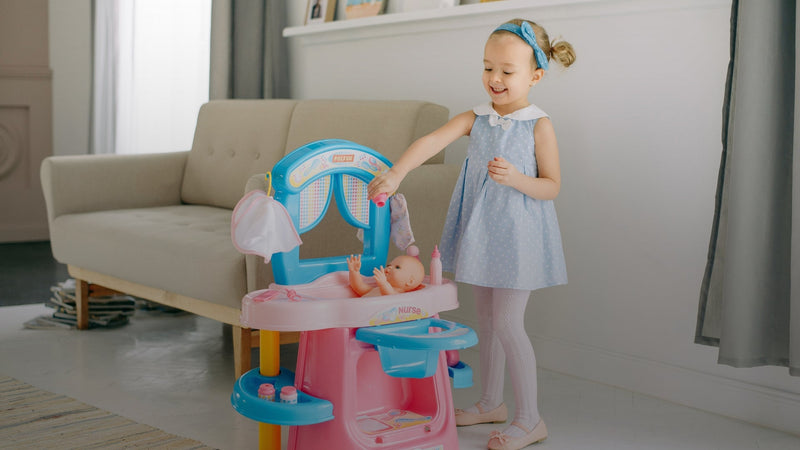
A toddler might pretend to feed a teddy bear or put a doll to bed. A preschooler may turn the same teddy into a patient at a busy animal hospital, complete with appointments, treatments, and a waiting room.
The difference isn't that one child is "better" at pretend play.
Their imagination is simply developing.
As children gain language, experience and confidence, they can often build increasingly detailed imaginary situations. Parents can support that development without constantly adding more toys, more instructions, or more complicated activities.
Sometimes, the best thing you can provide is simply time, space and a few things that can become anything.
Pretend Play Setups for Toddlers
For toddlers, keep setups simple.
They are often still exploring how objects work and beginning to use familiar actions symbolically.
You might see them:
-
Feed a soft toy.
-
Pretend to cook.
-
Put a doll to sleep.
-
Talk on a pretend phone.
-
Push a box as a vehicle.
-
Put objects into a basket and "go shopping".
At this age, you don't need elaborate storylines.
Try giving your toddler a small collection of familiar objects and following whatever catches their attention.
If they put a teddy to bed, you might say:
"Teddy looks sleepy."
Then let your child decide what happens.
Pretend Play Setups for Preschoolers
Preschoolers can often develop more elaborate scenarios.
A simple box might become a spaceship with a control centre, crew and destination.
A few cushions might become a hospital with doctors, patients and receptionists.
At this stage, you can introduce a small imaginary problem to extend the story.
For example:
"The spaceship can't find its way home."
Then wait.
Your child might create a map.
They might build a new control panel.
They might decide the spaceship has landed on another planet.
There is no need to provide the solution.
Pretend Play for Older Preschoolers
Older preschoolers may enjoy creating their own elaborate worlds.
They might combine several roles or connect multiple imaginary settings.
A restaurant might become part of a castle.
The castle might need help from a group of astronauts.
The astronauts might discover a jungle.
The story can become wonderfully complicated.
At this stage, parents can encourage children to become the creators of the game.
Ask them to design the setting.
Create the characters.
Make the rules.
Invent the problem.
Then let them direct the adventure.
How to Encourage Independent Pretend Play
Independent play develops gradually.
Some children will naturally become absorbed in their own imaginary worlds.
Others will want an adult nearby.
Neither is a problem.
If you want to encourage independent pretend play, start small.
Create a familiar play space.
Place a few open-ended materials nearby.
Then allow your child to explore.
You might sit close initially.
Once they become engaged, gradually become less involved.
You don't need to announce:
"Now I'm leaving you to play independently."
Simply allow the child to continue while you move to another nearby task when appropriate.
Don't Measure Success by How Long They Play
One of the easiest traps for parents is focusing on duration.
"She only played for ten minutes."
"He got bored after five minutes."
But there is no universal amount of time that children should spend in pretend play.
Some days a child may become deeply absorbed.
Other days they may move quickly between activities.
Interest can depend on mood, age, environment, and many other factors.
Instead of asking:
"How long did they play?"
consider:
"Did they have an opportunity to create their own ideas?"
When Your Child Says, "I Don't Know What to Play"
Sometimes children need a small starting point.
Rather than giving them a complete activity, offer one object and one possibility.
Place a cardboard box nearby.
Say:
"I wonder what this could become."
Or:
"I think someone might need this box for an adventure."
Then wait.
Your child might turn it into a car.
Or a house.
Or nothing at all.
That's okay.
The goal isn't to force pretend play.
It is to provide an invitation.
Use Familiar Experiences as Inspiration
Children often enjoy pretending to do things they have seen in everyday life.
Think about experiences your child already knows.
Going to the doctor.
Visiting a restaurant.
Shopping.
Travelling.
Going to school.
Going to the post office.
Taking care of a pet.
These experiences give children a familiar framework.
Then imagination can change the details.
A normal restaurant can become a restaurant on the Moon.
A regular doctor can become an animal doctor.
A shopping trip can become a treasure hunt.
Reality provides the starting point.
Imagination takes over from there.
Common Parent Mistakes
Making the Activity Too Structured
If every step is predetermined, there is less room for children to make decisions.
Give them a starting point instead of a finished script.
Explaining How Everything Should Work
If your child decides that a wooden spoon is a telescope, there's usually no need to correct them.
In pretend play, the spoon can be whatever the story requires.
Introducing Too Many Toys
More isn't necessarily better.
A small selection of open-ended materials can provide plenty of possibilities.
Interrupting Too Quickly
Children sometimes need time to move from exploring objects into deeper play.
Give them a chance.
Solving Every Problem
If the imaginary spaceship has run out of fuel, don't immediately tell them what to do.
Ask:
"What could we try?"
Then let them solve the imaginary problem.
Expecting Every Child to Love Pretend Play
Children have different interests.
Some prefer role play.
Others love building, drawing, sensory exploration, puzzles or physical activity.
Pretend play is an invitation, not an obligation.
A Household Pretend Play Safety Checklist
Everyday objects can be excellent play materials, but "household item" doesn't automatically mean "child-safe".
Before setting up an activity:
☐ Choose objects appropriate for your child's age.
☐ Avoid small objects that could create choking risks for young children.
☐ Avoid sharp or breakable items.
☐ Keep cords, plastic bags, and other potentially hazardous objects away from young children.
☐ Check cardboard for sharp edges or staples.
☐ Make sure furniture used for forts or play structures is stable.
☐ Supervise activities where the materials or setup require it.
☐ Remove anything that becomes damaged during play.
Simple is often best.
The Five-Minute Setup Formula
When you're short on time, remember this:
One object + one role + one problem
For example:
Cardboard box + astronaut + lost communication
Or:
Basket + shopkeeper + missing delivery
Or:
Soft toy + veterinarian + mysterious illness
You don't need anything else.
Your child can create the rest.
Create a "Yes, You Can Use That" Environment
One of the most powerful things you can give children is permission to use everyday objects imaginatively.
Of course, there need to be boundaries.
Not every household object is suitable for play.
But having a collection of safe items that children know they are allowed to explore can make spontaneous play much easier.
A basket of:
-
Fabric pieces
-
Cardboard
-
Paper
-
Crayons
-
Empty containers
-
Soft toys
-
Wooden spoons
-
Cardboard tubes
can become the foundation for dozens of imaginary worlds.
You don't need to tell children what to make.
They can discover that themselves.
Give Imagination a Familiar Home
A dedicated play space can make pretend play easier to return to.
Instead of setting everything up and immediately putting it away, children can have a familiar environment where their stories can continue.
This is one reason the ZeeZee Adventure Tent can work naturally alongside open-ended household play.
Its interchangeable StickeeZ themes allow children to change the visual setting while keeping the familiar physical space.
Today, the tent might be a jungle expedition.
Tomorrow, it might become a castle.
The following day, it could simply become a quiet reading nook.
The environment changes.
The child remains in control.
A Simple Parent Action Plan
If you want to introduce more household-item pretend play this week, try this:
Day 1
Put out a cardboard box and a soft toy.
Don't give instructions.
See what happens.
Day 2
Add a blanket.
Allow your child to transform the space.
Day 3
Introduce paper and crayons.
Let your child create signs, maps or drawings.
Day 4
Join the game when invited.
Follow your child's storyline.
Day 5
Introduce one imaginary problem.
Ask:
"What could we do?"
Day 6
Let your child create the setup.
Don't suggest anything unless they ask.
Day 7
Return to their favourite game.
See whether they add anything new.
The point isn't to complete a programme.
It's to notice how much imagination can emerge from very little.
Frequently Asked Questions
What household items are best for pretend play?
Cardboard boxes, blankets, cushions, baskets, paper, crayons, soft toys, wooden spoons and empty containers can all become useful pretend-play materials when they are safe and age-appropriate.
How do I make pretend play interesting without buying toys?
Start with familiar experiences such as restaurants, shops, hospitals or travelling. Use ordinary objects as props and introduce a simple imaginary problem if your child needs inspiration.
Is pretend play suitable for toddlers?
Yes. Toddlers can begin with simple forms of pretend play, such as feeding a doll, putting a teddy to sleep or pretending to cook. Keep the materials simple and appropriate for their developmental stage.
How can I encourage independent pretend play?
Create a familiar, accessible play environment with a few open-ended materials. Start nearby if necessary, then allow your child to continue without constant adult direction.
How long should children play pretend?
There is no universal ideal duration. Children vary in how long they remain engaged. Focus on providing opportunities for meaningful, child-led play rather than reaching a specific time target.
Should I play with my child?
You can join when your child wants you to. Follow their ideas rather than taking control of the story.
What if my child changes the game constantly?
That's perfectly normal. Pretend play doesn't need to follow a logical sequence. A restaurant becoming a spaceship or a jungle becoming a hospital is part of imaginative flexibility.
Is pretend play better than structured play?
They serve different purposes. Children benefit from a variety of play experiences. Open-ended pretend play provides opportunities for children to make decisions and create their own scenarios, while structured activities can provide different kinds of experiences.
Conclusion
You don't need another shopping trip to create a more imaginative childhood.
Look around your home.
There is probably already a cardboard box waiting to become something.
A blanket waiting to become a fort.
A basket waiting to become a boat.
A soft toy waiting for an appointment at the imaginary veterinary clinic.
Children can transform ordinary objects because they don't always see them as adults do.
We see a box.
They see possibilities.
That is why household-item pretend play can be so powerful.
It shifts the focus away from having the "right" toy and towards creating something from what is already available.
And when parents resist the urge to control every detail, children get something even more valuable.
Ownership of the story.
They decide what the object becomes.
They decide who they are.
They decide what happens next.
They solve imaginary problems.
They change the rules.
They start again.
And sometimes, they create an entire world from three things that would otherwise have gone into the recycling bin.
So the next time your child says, "I'm bored," pause before reaching for another screen or buying another toy.
Look around.
Choose three safe, ordinary objects.
Then ask:
"I wonder what we could make with these?"
You may already have everything you need for the next adventure.
Internal Linking Opportunities
This article can naturally connect with the wider ZeeZee Adventures content cluster:
-
30 Pretend Play Ideas to Spark Your Child's Imagination
-
Why Pretend Play Is Essential for Child Development
-
How Pretend Play Builds Communication and Social Skills
-
The Benefits of Open-Ended Play for Child Development
-
How Montessori Play Encourages Independence
-
Why Screen-Free Play Improves Focus and Creativity
-
How to Keep Kids Entertained Without Screens
Author Bio
The ZeeZee Play Experts
The ZeeZee Play Experts create practical, evidence-informed resources to help families encourage imagination, creativity, independence, and meaningful connection through play. Their work explores child development, screen-free childhoods, and purposeful play environments that give children the freedom to explore and create.




Comment (0)