The “I’m Bored” Phase: What It Really Means

The “I’m Bored” Phase: What It Really Means

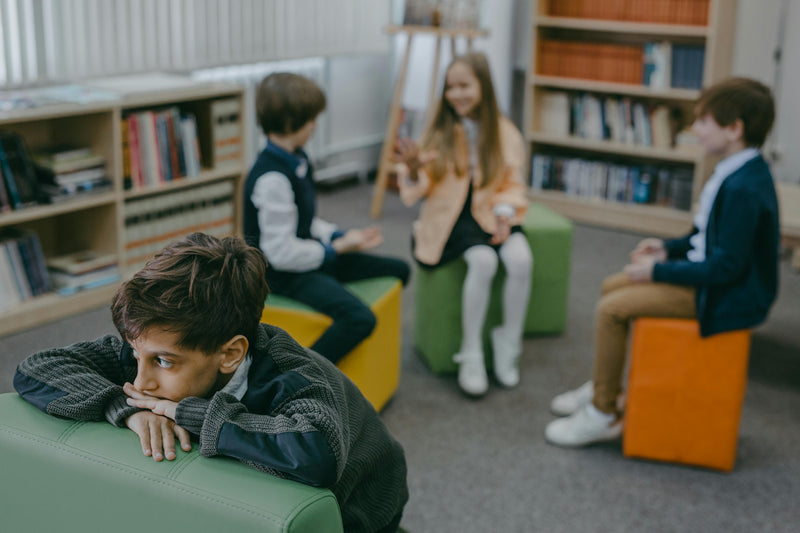
One of the most common phrases modern parents hear is, “I’m bored.” It often appears during quiet afternoons, school holidays, rainy weekends, long car rides, or moments when screens are unavailable. For many parents, these words immediately create pressure. There is pressure to entertain, pressure to organize activities, and pressure to keep children constantly engaged. Modern parenting culture has quietly created the idea that boredom is something negative that should be solved as quickly as possible. However, what if boredom is not actually a problem? What if the “I’m bored” phase is one of the most important parts of healthy childhood development?

Today’s children are growing up in an environment filled with endless stimulation. Screens, notifications, games, videos, music, and rapid entertainment now occupy many quiet moments that previous generations once used for imagination and independent play. The modern world moves fast, and children are adapting to that speed. While technology has brought incredible convenience and learning opportunities, it has also changed the way children experience focus, creativity, patience, and emotional regulation.

The issue is not simply about screen time. The deeper concern is that many children are receiving constant stimulation while receiving very little opportunity to experience stillness, boredom, or uninterrupted imaginative engagement. As a result, many parents and educators are beginning to notice similar patterns. Children become frustrated more quickly, struggle with patience, move rapidly from one activity to another, and often find slower experiences difficult to enjoy. Quiet moments feel uncomfortable because their brains have become accustomed to continuous entertainment.

Boredom itself is not harmful. In fact, boredom can serve an important developmental purpose. It is often the bridge between external stimulation and internal creativity. When children are not immediately distracted or entertained, the brain begins searching for ways to create engagement internally. This process is where imagination, problem-solving, creativity, and independent thinking begin to emerge.

Previous generations experienced boredom regularly. Children waited in lines without devices. They spent afternoons outdoors inventing games. Long car rides involved staring out windows, daydreaming, or creating imaginary stories. Rainy days encouraged fort-building, drawing, storytelling, or pretend play. Because entertainment was not instantly available, children learned how to create their own experiences. Today, boredom is often removed immediately with digital stimulation. A child says, “I’m bored,” and within seconds a screen fills the silence.

The Hidden Connection Between Boredom and Confidence

One of the most overlooked benefits of boredom is the way it helps children build confidence in themselves. When children are constantly entertained, they become used to relying on external sources for engagement. However, when they move through boredom independently, they begin realizing that they are capable of creating ideas, solving problems, and generating fun on their own. This process strengthens self-confidence because children experience the satisfaction of turning “nothing to do” into something meaningful through their own imagination and effort.

Children who regularly engage in independent creative play often become more comfortable exploring new ideas without needing constant instruction. Over time, they begin trusting their own creativity rather than waiting for entertainment to be provided for them.


How Constant Entertainment Weakens Curiosity

Curiosity develops when children have enough mental space to wonder, question, observe, and explore. Constant stimulation leaves very little room for this process because answers and entertainment are delivered instantly. Children no longer need to wonder what could happen next because content is always feeding the next moment automatically.

Slower childhood experiences encourage curiosity naturally. A child exploring outdoors may begin asking questions about insects, weather, plants, or nature. A child building an imaginary world may create stories and characters independently. These moments strengthen intellectual curiosity because children become active participants in learning instead of passive consumers of entertainment.

Curiosity is one of the strongest foundations for lifelong learning, and boredom often creates the silence where curiosity begins.


Why Children Need “Low-Stimulation” Environments

Modern environments are often designed around overstimulation. Bright screens, loud toys, constant background noise, notifications, and busy schedules create continuous sensory input for children. Many parents mistakenly assume children always need more stimulation to stay engaged, but developing brains also need calmer environments to process emotions and thoughts properly.

Low-stimulation spaces help children settle into deeper play and emotional regulation. Cozy reading corners, imaginative play tents, quiet creative areas, and outdoor environments encourage children to focus for longer periods without feeling overwhelmed by constant sensory input.

This is one reason many intentional parents are creating calmer spaces at home where children can engage in open-ended imagination without excessive distraction. At ZeeZee Adventures, families often use imaginative play spaces not simply as toys, but as calming environments where children can explore creativity, storytelling, and independent thinking in a more meaningful way.

The Role of Boredom in Developing Problem-Solving Skills

Children develop problem-solving abilities when they are forced to think creatively about how to engage themselves. If every moment of boredom is solved immediately by adults or screens, children lose opportunities to practice independent decision-making.

When children work through boredom naturally, they begin asking themselves important questions:

“What could I build?”

“What game could I invent?”

“What story could I create?”

“How can I make this fun?”

These small moments strengthen flexible thinking and creativity. Instead of depending on constant entertainment, children learn how to create solutions independently. This mindset becomes valuable later in life because problem-solving is deeply connected to resilience, adaptability, and innovation.

Why Modern Parents Feel Guilty About Boredom

Many parents today feel guilty when their children are bored because modern parenting culture often equates constant activity with good parenting. Social media especially contributes to this pressure by presenting highly curated versions of childhood filled with endless educational activities, outings, and entertainment.

However, constantly entertaining children is not necessarily beneficial. Children do not need adults directing every moment of their day. In many cases, overscheduling and overstimulation actually reduce opportunities for independent growth.

Allowing children to experience boredom does not mean neglecting them. It means giving them space to develop imagination, creativity, emotional resilience, and self-direction naturally.

Sometimes the healthiest thing a parent can do is simply step back long enough for creativity to appear.


The Difference Between Passive Entertainment and Active Engagement

Not all activities impact children the same way. Passive entertainment keeps children occupied, while active engagement helps children develop cognitively and emotionally.

Passive entertainment usually involves consuming ready-made content. Active engagement requires children to think, imagine, create, or participate mentally. Reading, imaginative storytelling, pretend play, fort-building, art, and open-ended exploration all require active engagement.

This difference matters because active engagement strengthens focus and creativity in ways passive stimulation often cannot.

The goal is not to remove all entertainment. The goal is to make sure children still have enough opportunities to actively create experiences instead of only consuming them.


Why the Ability to Focus Will Matter More in the Future

We are living in one of the most distracted periods in human history. Notifications, multitasking, scrolling, and fast-moving digital content constantly compete for attention. As technology continues evolving, the ability to focus deeply may become one of the most valuable life skills future generations can possess.

Children who regularly practice deep engagement through reading, creative play, storytelling, and independent exploration are strengthening their ability to concentrate for longer periods. This skill supports academic learning, emotional regulation, communication, creativity, and long-term problem-solving.

Ironically, some of the simplest childhood experiences may become the most important developmental tools of the future.

Because in a world designed to constantly capture attention, children who can think deeply and focus independently will have a powerful advantage.


Previous

Focus vs Stimulation: What Modern Kids Are Missing

Next

What to Do When Kids Are Stuck Indoors All Day

Comment (0)

Leave a comment

Related Articles