
What to Add to Your Baby Registry for Long-Term Value
Creating a baby registry is one of the most meaningful steps in preparing for a new child. It offers parents the opportunity to gather essential items while inviting support from family and friends. However, many registries tend to focus heavily on the immediate needs of the newborn stage, often overlooking the importance of long-term value.
A well-considered baby registry should extend beyond the first few months. It should reflect a forward-thinking approach that supports a child’s development, daily routines, and evolving needs over time.
Rethinking the Purpose of a Baby Registry
Traditionally, baby registries have been treated as checklists for early survival: feeding supplies, clothing, and basic care items. While these are undoubtedly important, they represent only a small portion of what families truly need.
A modern registry benefits from a more strategic perspective. It should aim to reduce future purchases, minimize waste, and provide lasting utility. By selecting items that grow with the child, parents can create a more sustainable and efficient foundation for early childhood.
Investing in Adaptable Essentials
Adaptability is one of the most important factors when choosing registry items. Products that can adjust to a child’s growth offer both convenience and long-term savings.
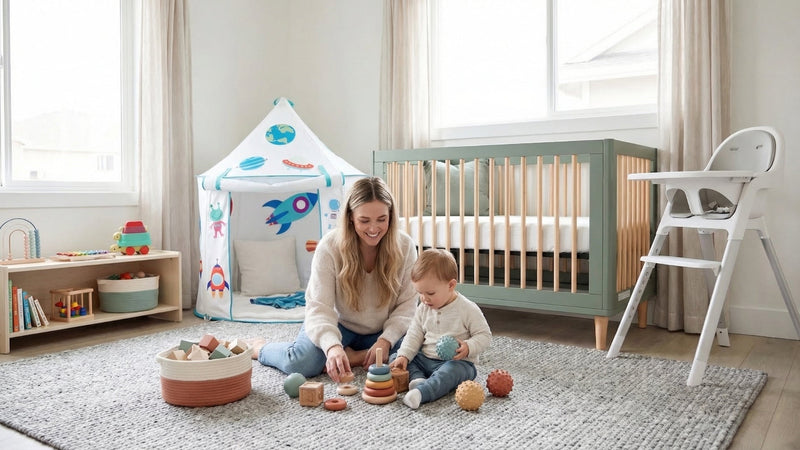
Convertible cribs, adjustable seating, and multi-purpose furniture are excellent examples. These items transition across different stages of development, eliminating the need for frequent replacements. In addition to their practicality, they contribute to a more organized and cohesive living space.
Adaptable products also reduce decision fatigue for parents, allowing them to focus more on caregiving rather than constant upgrading.
Supporting Development Through Thoughtful Play
Play is not merely a form of entertainment. It is a primary driver of learning in early childhood. A registry that includes development-focused play items provides long-lasting benefits.
Open-ended toys, sensory materials, and imaginative play tools encourage children to explore, experiment, and think independently. Unlike single-purpose toys, these items evolve alongside the child’s abilities and interests.
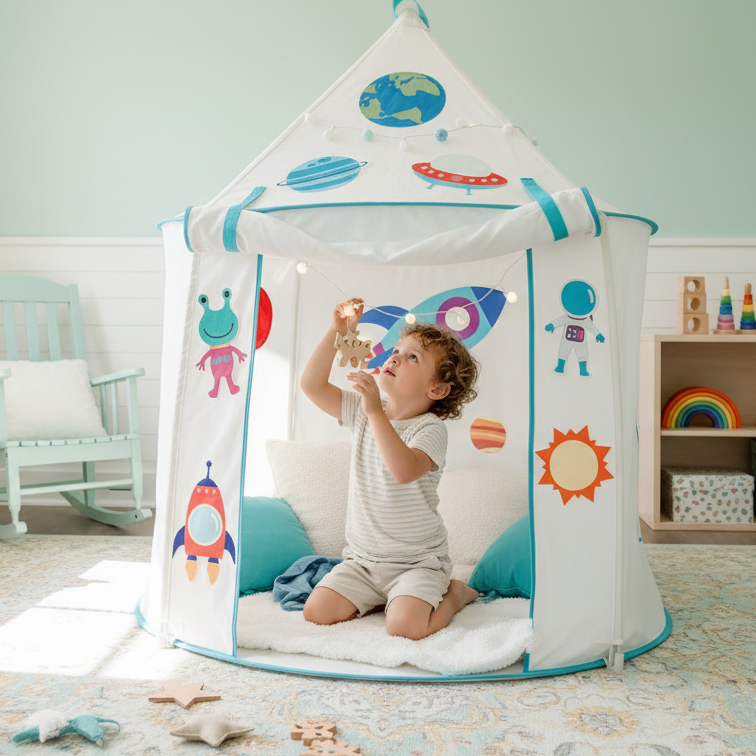
Creating a dedicated space for calm and focused play can further enhance these benefits. Environments that are simple, inviting, and free from excessive distractions allow children to engage more deeply. Over time, this supports essential skills such as concentration, creativity, and emotional regulation.
Choosing Quality with Intention
In the age of convenience, it is easy to accumulate large quantities of low-cost items. However, this approach often leads to clutter, short product lifespans, and unnecessary replacements.
A more effective strategy is to prioritize quality over quantity. Well-crafted products are not only more durable but also safer and more reliable. They often provide a better user experience for both parents and children.
Selecting fewer, higher-quality items also helps maintain a calm and organized environment, which can positively influence a child’s behavior and engagement.
Emphasizing Practicality in Daily Life
Long-term value is closely tied to everyday usability. Items that simplify routines and reduce effort can have a lasting impact on a family’s daily life.
Ease of cleaning, storage efficiency, and versatility are key considerations. Products that seamlessly integrate into daily habits are more likely to be used consistently and appreciated over time.
Practical choices also help reduce stress, particularly during the early stages of parenthood when time and energy are limited.
Creating Meaningful Spaces for Growth
A child’s environment plays a significant role in shaping their experiences. A thoughtfully designed space encourages exploration, independence, and creativity.
Rather than filling a room with excessive items, it is more effective to create intentional spaces that support different types of play and rest. Flexible setups that can adapt to changing interests provide ongoing value.
These spaces become more than just physical areas. They serve as environments where children develop confidence, curiosity, and a sense of ownership.
Balancing Functionality with Emotional Value
While practicality is essential, emotional value should not be overlooked. Certain items hold significance beyond their functional use.
Products that encourage bonding, storytelling, and shared experiences contribute to a child’s emotional development. These moments play a crucial role in building relationships and creating lasting memories.
A balanced registry acknowledges both functional needs and emotional connections, ensuring a more holistic approach to early childhood.
A More Intentional Approach
Ultimately, a baby registry should reflect thoughtful decision-making rather than impulse selection. It is an opportunity to invest in items that will support not only the early months but also the years that follow.
By focusing on adaptability, developmental impact, quality, and practicality, parents can create a registry that delivers meaningful and lasting value.
Conclusion
The true purpose of a baby registry extends beyond preparation for birth. It is a foundation for growth, learning, and everyday life.
When approached with intention, a registry becomes more than a collection of items. It becomes a carefully curated system that supports a child’s development and a family’s well-being over time.
Choosing wisely ensures that each item serves a purpose, not just in the present, but throughout the journey ahead.
Frequently Asked Questions
1. Why should I focus on long-term value in a baby registry?
Focusing on long-term value helps reduce future expenses, minimizes waste, and ensures that items remain useful as your child grows.
2. What are examples of adaptable baby products?
Convertible cribs, adjustable high chairs, and multi-functional furniture are commonly recommended for long-term use.
3. How can toys provide long-term value?
Open-ended toys can be used in multiple ways as a child develops, supporting creativity, problem-solving, and independent thinking over time.
4. Is it better to prioritize quality over quantity?
Yes. High-quality items tend to last longer, perform better, and create a safer and more organized environment.
5. How can I avoid overloading my registry?
Focus on essential and versatile items. Avoid adding products that serve only a short-term or single-purpose function.
6. Do play environments really make a difference?
Yes. A well-designed play space encourages focus, independence, and creativity, all of which support healthy development.
7. Can a baby registry support both parents and children?
Absolutely. Practical, well-chosen items can simplify daily routines for parents while supporting a child’s growth and development.





Comment (0)