

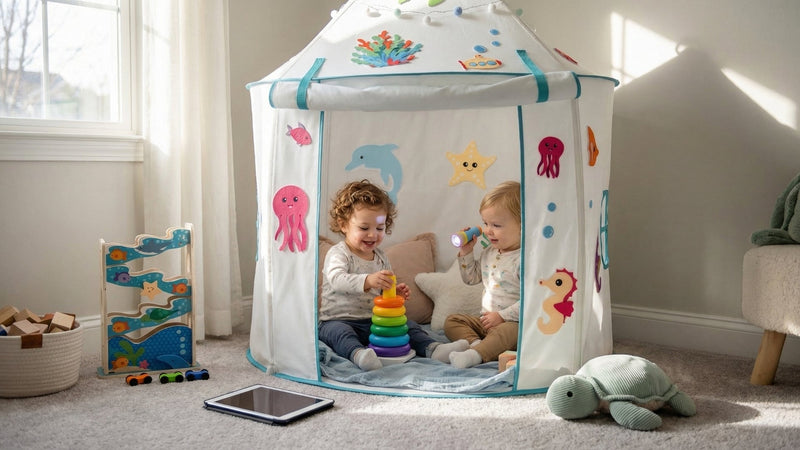
Hands-On Play in the Digital Age: A Foundation for Healthy Development
In today’s digital world, children are growing up surrounded by screens, instant entertainment, and constant stimulation. While technology offers convenience and educational value, it has also reduced the time children spend engaging in physical, hands-on play. This shift has raised important questions among parents, educators, and child development specialists about how children learn best.
Hands-on play, often referred to as active or experiential play, involves direct interaction with objects, materials, and the surrounding environment. It allows children to explore, create, experiment, and solve problems using their senses and motor skills. In an age dominated by digital consumption, this form of play has become more important than ever.
The Developmental Value of Hands-On Play
Hands-on play supports multiple areas of development simultaneously. When a child stacks blocks, solves a puzzle, or engages in imaginative play, they are not only having fun but also building critical cognitive and physical skills.
Fine motor skills are strengthened through activities that require grasping, sorting, and manipulating objects. At the same time, cognitive development is enhanced as children learn cause and effect, spatial awareness, and problem-solving strategies.
Equally important is the role of hands-on play in developing focus and attention. Unlike digital content, which often delivers rapid stimulation, physical play encourages children to concentrate for longer periods, fostering patience and persistence.
Encouraging Creativity and Imagination
Hands-on play provides children with the freedom to think creatively and express themselves. Open-ended materials such as wooden toys, building blocks, or simple household items allow children to create their own narratives and explore ideas without limitations.
In contrast, digital entertainment often presents pre-defined outcomes, leaving little room for independent thinking. When children engage in imaginative play, they practice storytelling, role-playing, and creative problem-solving, all of which are essential for intellectual and emotional growth.
Supporting Emotional and Social Development
Physical play environments also play a crucial role in emotional regulation and social interaction. Through play, children learn to navigate feelings such as frustration, excitement, and disappointment. They begin to understand how to manage these emotions in a safe and supportive context.
When children play with others, they develop important social skills such as communication, cooperation, and empathy. These interactions are difficult to replicate through screen-based activities, making hands-on play essential for building meaningful relationships.
The Impact of Excessive Screen Time
While technology is an integral part of modern life, excessive screen time can limit opportunities for active learning. Research has shown that prolonged exposure to screens may contribute to reduced attention span, lower physical activity levels, and delayed development of certain skills.
Screens often provide passive engagement, where children consume content rather than actively participate. This can reduce opportunities for exploration and independent thinking, which are critical during early childhood.
Balancing screen time with hands-on activities is therefore essential to ensure that children receive a well-rounded developmental experience.
Creating a Balanced Play Environment
Parents and caregivers can support healthy development by creating environments that encourage active play. Simple changes, such as organizing accessible toys, reducing clutter, and offering open-ended materials, can make a significant difference.
Dedicated play areas, such as a calm corner or a cozy play space, can help children feel secure and focused. These spaces do not need to be elaborate. A few thoughtfully chosen items that encourage exploration and creativity are often more effective than an abundance of toys.
It is also important for adults to model balanced behavior. When parents engage in play, limit their own screen use, and show interest in hands-on activities, children are more likely to follow.
The Long-Term Benefits
The skills developed through hands-on play extend far beyond early childhood. Problem-solving, creativity, emotional regulation, and social interaction are foundational abilities that influence academic success and overall well-being.
In a rapidly evolving digital landscape, these human-centered skills are becoming increasingly valuable. Children who engage in active play are better equipped to adapt, think critically, and navigate complex environments.
Conclusion
Hands-on play is not simply a traditional alternative to digital entertainment. It is a fundamental component of healthy child development. While technology will continue to play a role in children’s lives, it should not replace the rich learning experiences that come from physical interaction and exploration.
By prioritizing hands-on play, parents and caregivers can support a child’s growth in a meaningful and lasting way, ensuring that they develop the skills needed to thrive in both the digital and real world.
Frequently Asked Questions
1. What is hands-on play?
Hands-on play refers to activities where children actively engage with physical objects, such as building blocks, puzzles, or sensory materials. It encourages learning through direct experience.
2. Why is hands-on play important for toddlers?
Hands-on play helps toddlers develop motor skills, problem-solving abilities, and emotional regulation. It also supports language development and creativity.
3. How does hands-on play differ from digital play?
Hands-on play involves active participation and exploration, while digital play is often more passive and structured. Physical play allows children to learn through trial and error.
4. How much screen time is appropriate for young children?
Guidelines vary, but many experts recommend limiting screen time for young children and ensuring it does not replace physical activity, sleep, or social interaction.
5. Can technology be part of a healthy play routine?
Yes, technology can be included in moderation. The key is balance. Digital activities should complement, not replace, hands-on play.
6. What are some simple hands-on play ideas?
Stacking blocks, sorting objects, drawing, building with everyday materials, and imaginative role play are all effective forms of hands-on play.
7. How can parents encourage more hands-on play at home?
Parents can provide accessible toys, create a dedicated play space, limit screen time, and actively participate in play activities with their child.
8. What are the long-term benefits of hands-on play?
Children who engage in hands-on play often develop stronger cognitive, social, and emotional skills, which contribute to long-term success in learning and life.






Comment (0)