
Why Modern Kids Struggle With Boredom More Than Ever (And Why That's Actually Hurting Their Development)
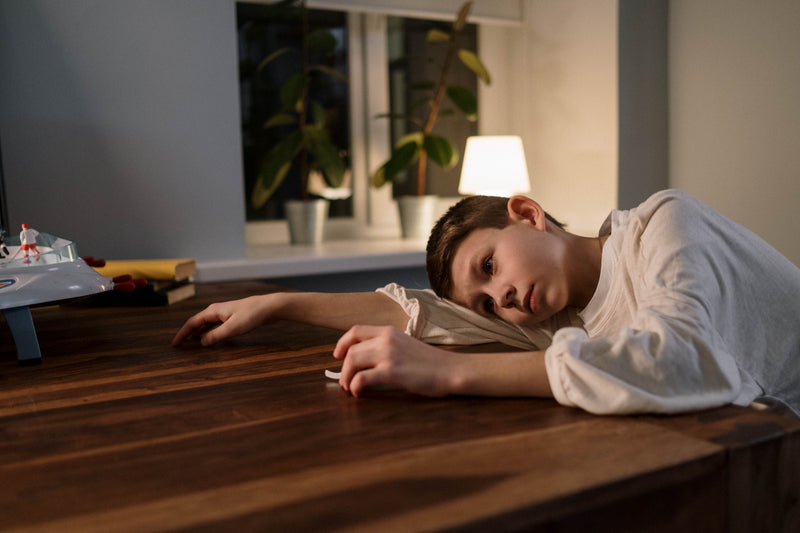
Parents today hear the phrase "I'm bored" more often than ever.
What's confusing is that many children have access to more toys, more activities, more entertainment, and more technology than any generation before them.
Yet despite all these options, boredom seems to arrive faster.
A child flips through toys, scrolls through activities, rejects every suggestion, and insists there's "nothing to do."
If this sounds familiar, you're not alone.
Many parents are discovering that the problem isn't a lack of stimulation. It's often the opposite.
In a world filled with constant entertainment, many children are losing opportunities to develop one of the most important life skills of all: learning what to do when nothing is happening.
Quick Answer
Modern kids often struggle with boredom because they are surrounded by constant stimulation from screens, structured activities, and fast-paced entertainment. While boredom may seem uncomfortable, it plays a critical role in developing creativity, problem-solving skills, emotional regulation, and independent thinking. Children who learn to move through boredom often become more imaginative, resilient, and capable of creating their own meaningful play experiences.
The Core Problem: Why Kids Are Getting Bored More Easily
At first glance, boredom seems like a simple problem.
A child wants something to do.
But child development experts often view boredom differently.
Boredom is not always a lack of activities. It is often a lack of opportunities for self-directed engagement.
Constant Entertainment Has Changed Childhood
Many children today grow up in environments where entertainment is always available.
A tablet can deliver endless videos.
Streaming services offer unlimited content.
Games provide instant rewards.
Activities are often planned, organized, and supervised.
As a result, children become accustomed to having stimulation delivered to them rather than creating it themselves.
When that stimulation disappears, boredom can feel overwhelming.
The Instant Gratification Effect
Modern entertainment is designed to capture attention quickly.
Fast scene changes, bright visuals, and immediate rewards train the brain to expect constant novelty.
Real-world play works differently.
Building a fort.
Creating a story.
Pretending to explore a jungle.
These activities require children to generate ideas before the fun begins.
For some children, that initial effort feels harder than reaching for a screen.
Overscheduled Childhoods
Many children move from school to sports, lessons, clubs, and organized activities.
While these experiences can be valuable, they often leave little room for unstructured play.
When children rarely practice creating their own fun, boredom becomes more difficult to navigate.
What Child Development Experts Want Parents To Know
Here's the surprising truth:
Boredom itself is not the problem.
In fact, boredom can be incredibly beneficial.
Developmental experts widely recognize boredom as an important catalyst for creativity, independent thinking, and self-directed learning.
Boredom Activates Creativity
When external entertainment disappears, the brain begins searching for alternatives.
This is often when imagination wakes up.
A cardboard box becomes a spaceship.
A blanket becomes a castle.
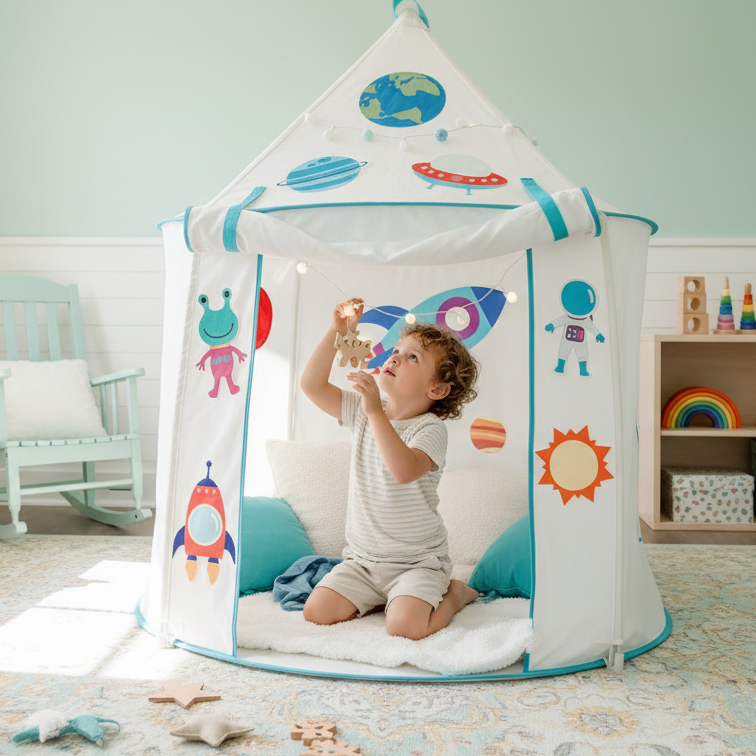
A play tent becomes an entire world.
Children learn to generate ideas rather than consume them.
Boredom Strengthens Executive Function
Executive function refers to a group of mental skills that help children:
- Plan
- Focus attention
- Solve problems
- Make decisions
- Control impulses
When children work through boredom independently, they practice these skills naturally.
Instead of waiting for someone else to solve the problem, they learn to solve it themselves.
Boredom Builds Emotional Resilience
Not every uncomfortable feeling needs to be eliminated immediately.
Learning to sit with boredom teaches children that discomfort is temporary.
Over time, they develop patience, flexibility, and confidence in their ability to create their own experiences.
These are valuable life skills that extend far beyond childhood.
Actionable Advice: How Parents Can Help Kids Develop Healthy Responses to Boredom
The goal isn't to eliminate boredom.
The goal is to help children move through it.
Stop Feeling Responsible for Constant Entertainment
Many parents feel pressure to become full-time activity directors.
You don't have to.
Children benefit when adults occasionally step back and allow them to take ownership of their play.
When your child says they're bored, try responding with curiosity rather than solutions.
You might ask:
- "What could you create?"
- "What adventure could you invent?"
- "What materials could you use differently today?"
Create More Open-Ended Opportunities
Open-ended play materials have no single correct use.
Examples include:
- Building blocks
- Art supplies
- Blankets and pillows
- Costumes
- Pretend play props
- Play spaces designed for imagination
These materials encourage children to become creators rather than consumers.
Normalize Boredom
Children often assume boredom means something is wrong.
Help them understand that boredom is normal.
You can say:
Sometimes boredom is just your imagination warming up.
This simple shift changes how children view the experience.
Reduce Passive Entertainment
This doesn't mean eliminating screens entirely.
Instead, create intentional periods where children have opportunities to engage with the physical world.
Many parents find that after an adjustment period, children begin creating richer and more imaginative forms of play on their own.
Give Ideas Without Taking Over
A gentle prompt can help.
A complete solution often prevents independent thinking.
Try offering possibilities rather than instructions.
For example:
- "I wonder what your stuffed animals are doing today."
- "That blanket looks like it could become something interesting."
- "What story could happen in your room right now?"
The Power of Environment
One of the most overlooked influences on children's behavior is their environment.
The spaces around children shape how they play, think, and regulate emotions.
Clutter Can Increase Distraction
When too many toys are available at once, children often jump rapidly from one activity to another.
Choice overload can make sustained play more difficult.
Simple environments often encourage deeper engagement.
Cozy Spaces Encourage Focus
Children naturally seek spaces that feel safe and contained.
These environments support:
- Independent play
- Emotional regulation
- Storytelling
- Reading
- Quiet creativity
A dedicated play space often signals to a child's brain that it's time to slow down and engage more deeply.
Imagination Needs Room to Grow
Children do not always need more toys.
Often, they need more opportunities to transform ordinary spaces into extraordinary worlds.
This is where some of the richest forms of play emerge.
The ZeeZee Solution
When children struggle with boredom, the answer isn't necessarily buying more toys.
Often, it's creating a play environment that evolves alongside their imagination.
ZeeZee Adventures was designed around this idea.
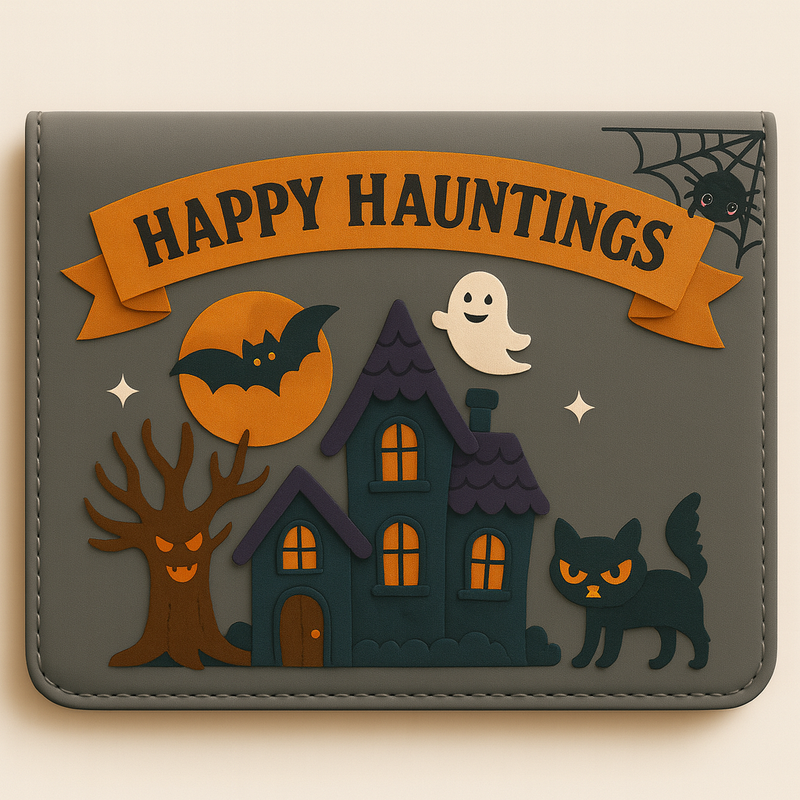
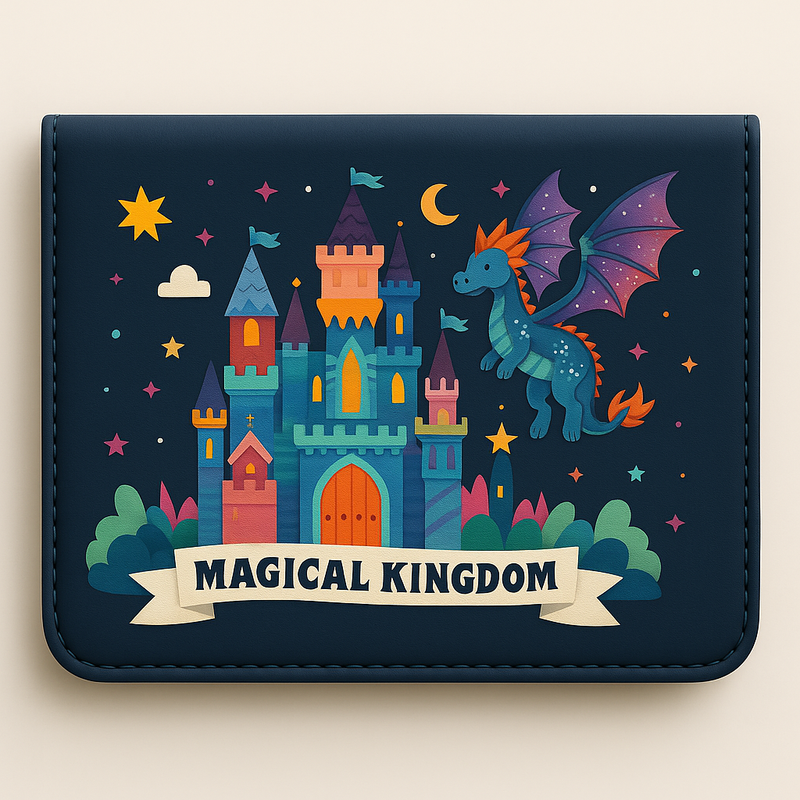
Instead of becoming another toy that loses its appeal after a few weeks, the system uses interchangeable StickeeZ themes that allow children to transform the same play space into new adventures again and again. The concept was inspired by a family realization that children wanted tents that could change as their interests changed.
A child might explore a dinosaur world one day and a space mission the next. The swappable themes are designed to keep imaginative play fresh without constantly introducing new toys.
The environment itself is also intentionally sensory-friendly and calming, supporting independent play, storytelling, creativity, and quiet moments when children need a place to recharge.
For families looking to reduce screen dependence and encourage longer periods of meaningful play, a dedicated imaginative space can become a powerful tool for helping children rediscover how to create their own fun.
Conclusion
If modern children seem more bored than ever, it isn't because they're lacking entertainment.
It's often because they're receiving too much of the wrong kind.
Boredom is not a developmental failure.
It's a developmental opportunity.
When children learn to move through boredom instead of escaping it immediately, they build creativity, resilience, independence, and confidence.
Parents do not need to become constant entertainers.
Sometimes the greatest gift we can give children is the space to discover what their imagination can do on its own.
Frequently Asked Questions
Is boredom actually good for kids?
Yes. Healthy boredom encourages creativity, problem-solving, independent thinking, and self-directed play.
Why do children get bored so quickly today?
Many children are accustomed to constant stimulation from screens, structured activities, and fast-paced entertainment, making slower forms of play feel less immediately rewarding.
How can I help my child become more independent during play?
Provide open-ended materials, reduce over-scheduling, create inviting play spaces, and allow children opportunities to solve boredom on their own.
Does screen time contribute to boredom?
Excessive passive screen use can make real-world activities feel less stimulating by comparison, which may contribute to boredom when screens are unavailable.
What type of play best supports creativity?
Open-ended play, pretend play, storytelling, building, and imaginative exploration are among the strongest drivers of creative thinking.
Author Bio
The ZeeZee Play Experts
The ZeeZee Play Experts are passionate advocates for imaginative play, sensory-friendly environments, and child-led creativity. Drawing on child development principles and feedback from families, educators, and therapists, they help parents create meaningful opportunities for independent play. Their work focuses on designing restorative play experiences that support confidence, imagination, and healthy childhood development.




Comment (0)