

Childhood Has Changed More in the Last 10 Years Than the Previous 50 (And Parents Are Feeling It)
Introduction
If you ask most parents today what childhood looked like when they were growing up, the answers are often surprisingly similar.
They remember riding bikes until sunset, building forts, getting bored, making up games, and spending long stretches of time playing without adult supervision.
Now ask them what childhood looks like today.
The answer is very different.
In just the last decade, childhood has undergone one of the most dramatic transformations in modern history. Smartphones, tablets, streaming platforms, social media, and on-demand entertainment have fundamentally changed how children spend their time, connect with others, and experience the world around them.
For many parents, the challenge isn't deciding whether technology is good or bad.
The challenge is figuring out how to preserve the parts of childhood that still matter most.
Because while childhood has changed dramatically, children's developmental needs haven't changed nearly as much.
They still need creativity.
They still need independence.
And they still need play.
The Core Problem: Childhood Has Moved Indoors and Onto Screens
The average child today has access to more entertainment than any generation in history.
At any moment, they can watch videos, play games, stream content, or connect digitally with others.
This convenience has created incredible opportunities.
But it has also changed how childhood unfolds.
Many traditional childhood experiences have become less common:
-
Unstructured outdoor play
-
Independent exploration
-
Neighborhood friendships
-
Long periods of boredom
-
Open-ended imaginative play
Instead of creating experiences, children are increasingly consuming experiences created by others.
This shift isn't necessarily intentional.
It's simply the result of living in a world where digital entertainment is always available.
Why Parents Are Feeling the Difference
Many parents describe a growing sense that something has changed.
Not because children are different.
But because the environment around childhood is different.
Parents often report concerns about:
-
Shorter attention spans
-
Difficulty with boredom
-
Increased screen dependence
-
Less independent play
-
Greater emotional reactivity
At the same time, they feel pressure to manage technology, supervise activities, and fill every moment with productivity.
It's no wonder many families feel overwhelmed.
What Children Still Need (Even in a Digital World)
Technology may have transformed childhood.
Human development hasn't changed nearly as quickly.
Children still learn best through experiences that allow them to:
Create Rather Than Consume
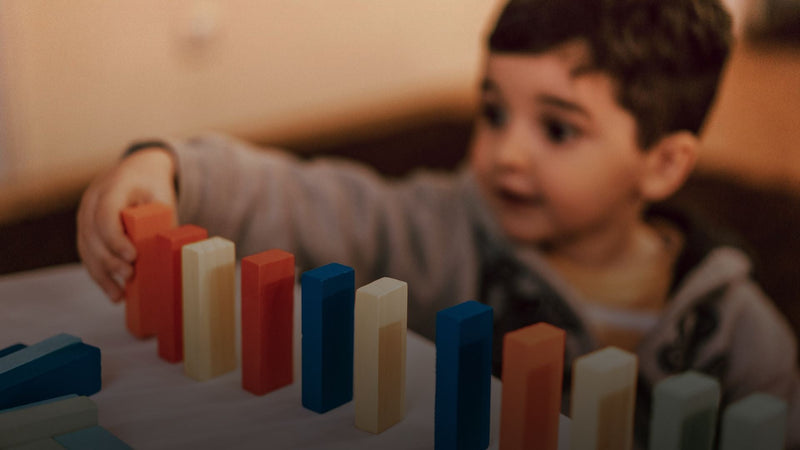
Creativity develops when children invent stories, solve problems, and build their own worlds.
Passive entertainment rarely provides the same opportunities.
Practice Independence
Independent play teaches children how to make decisions, overcome challenges, and entertain themselves without relying on external stimulation.
Experience Boredom
Boredom often serves as the starting point for creativity.
When children aren't constantly entertained, their brains naturally begin searching for possibilities.
Build Emotional Resilience
Play allows children to experience frustration, failure, persistence, and success in a safe environment.
These experiences help build confidence and emotional regulation.
The Rise of the Analog Childhood Movement
In response to these changes, many parents are embracing what has become known as the "analog childhood" movement.
The goal isn't to eliminate technology.
It's to create balance.
Parents are increasingly prioritizing:
-
Screen-free activities
-
Independent play
-
Outdoor experiences
-
Reading
-
Creativity
-
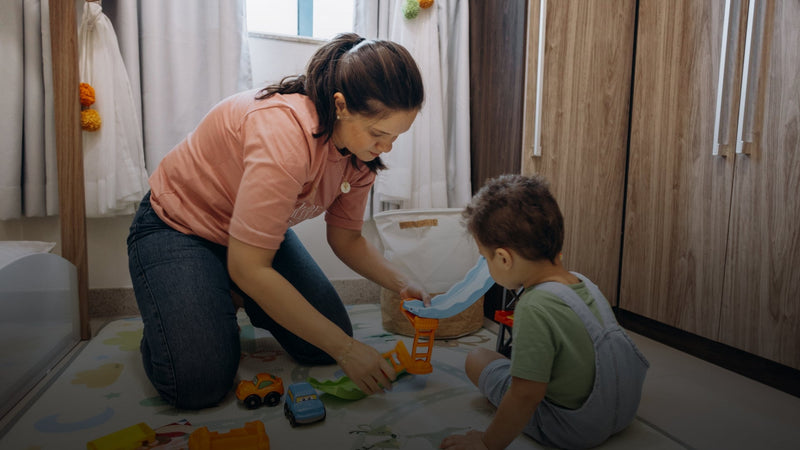
Family connection
-
Low-stimulation environments
Rather than asking, "How much screen time should my child have?"
They're asking:
"What kind of childhood do I want my child to experience?"
That shift in thinking is changing parenting conversations around the world.
Actionable Advice: How to Bring More Childhood Back Into Childhood
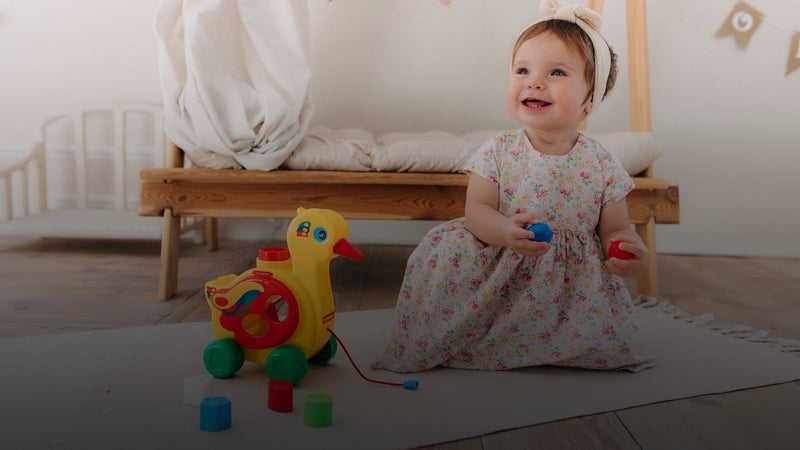
Create Opportunities for Independent Play
Children don't need constant entertainment.
They need opportunities to discover what they're capable of creating on their own.
Design Spaces for Imagination
The environment influences behavior.
Dedicated spaces for reading, storytelling, and imaginative play encourage deeper engagement.
Reduce Background Stimulation
Televisions, notifications, and constant noise compete for attention.
A calmer environment often leads to calmer play.
Embrace Boredom
Resist the urge to solve boredom immediately.
Many of childhood's best ideas begin with the words:
"There's nothing to do."
Focus on Experiences, Not Activities
Children don't always need elaborate plans.
Sometimes they simply need time, space, and freedom.
The ZeeZee Solution
As parents search for healthier ways to balance technology and childhood, many are rediscovering the importance of dedicated play environments.
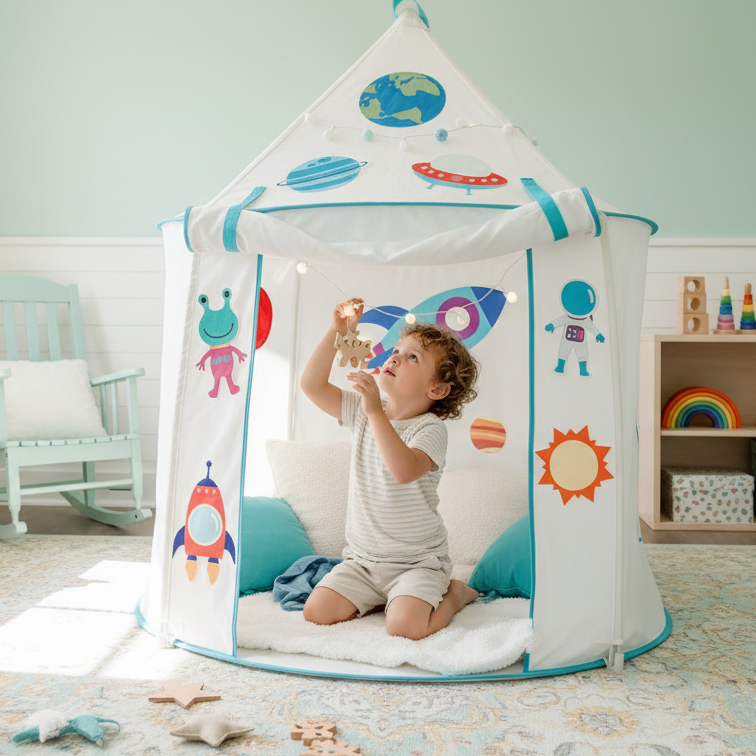
This is one reason families are turning to ZeeZee Adventures.
A thoughtfully designed play space gives children something increasingly rare in today's world:
A place where imagination takes the lead.
The enclosed, sensory-friendly design creates a cozy retreat that feels separate from screens, distractions, and overstimulation.
Meanwhile, the interchangeable StickeeZ themes help keep play fresh and engaging.
One day, the tent becomes a Magical Kingdom.
The next, it's a Space Voyage mission.
Then it transforms into a secret reading hideout or a jungle expedition.
Instead of consuming stories, children create them.
And that's a skill that remains valuable no matter how much the world changes.

Conclusion
Childhood has changed dramatically over the last decade.
But children's fundamental developmental needs have not.
They still need opportunities to imagine, create, explore, and play.
They still need moments of boredom that lead to creativity.
They still need spaces where they can direct their own experiences.
The goal isn't to turn back the clock.
It's to make sure that as childhood evolves, we don't lose the experiences that help children thrive.
Because even in a digital world, some parts of childhood remain timeless.
Author Bio
The ZeeZee Play Experts are passionate advocates for child-led play and healthy childhood development. With years of experience creating sensory-friendly, calming environments for children, they help families foster creativity, independence, and meaningful screen-free experiences. Their mission is to support modern parents in preserving the best parts of childhood.




Comment (0)