
Why Kids Have More Toys Than Ever—But Play Less
In many modern households, children have access to more toys than any previous generation. Bedrooms overflow with plush animals, interactive gadgets, construction sets, themed play kits, and brightly coloured plastic creations designed to entertain and educate. Shelves are filled, baskets are crowded, and yet an interesting pattern emerges over time.
Despite having more toys, children often seem to play less.
Parents frequently observe the same cycle. A new toy enters the home and becomes the centre of attention. For a short period, it sparks curiosity, excitement, and engagement. Then, gradually, interest fades. The toy is used less often, eventually becoming part of the background. It joins a growing collection of objects that were once exciting but are now largely ignored.
This phenomenon raises an important question. If children have more opportunities for play than ever before, why does meaningful play seem to decline?
The answer lies not in the quantity of toys, but in the quality of play experiences they provide.
The Evolution of Childhood Play
To understand the present, it is useful to reflect on how play has evolved. Historically, children played with fewer resources. Their environments were simpler, often consisting of open spaces, basic objects, and minimal structured entertainment. Yet within these limitations, imagination flourished.
A stick could become a sword, a wand, or a fishing rod. A blanket could transform into a fort, a cave, or a secret hideaway. Play was not dictated by objects but shaped by the child’s creativity.
In contrast, modern toys are often highly designed and feature-rich. They are built with specific functions, narratives, and outcomes in mind. While this can enhance initial engagement, it can also limit the scope of play over time.
When a toy defines its own purpose, it leaves less room for the child to define it.
The Illusion of More Choice
At first glance, having more toys appears beneficial. Variety seems to offer more opportunities for exploration. However, research in developmental psychology suggests that excessive choice can actually hinder engagement.
When children are surrounded by too many options, their attention becomes fragmented. Instead of deeply engaging with one activity, they move rapidly between multiple objects. This behaviour is not a sign of disinterest but a response to overstimulation.
Each toy competes for attention. As a result, none hold it for long.
This creates a paradox. The abundance of toys, intended to enhance play, can reduce the depth and quality of play experiences.
The Problem with Fixed-Function Toys
Many contemporary toys are designed with a single purpose or a limited range of interactions. They may include electronic features, scripted responses, or predefined narratives that guide the child’s actions.
While these features can be engaging initially, they often lead to a predictable pattern of use. Once the child has explored all possible interactions, the toy offers little incentive for continued engagement.
This is where the concept of novelty decay becomes relevant. Novelty decay refers to the natural decline in interest that occurs once an experience becomes familiar. In the context of toys, this happens quickly when the range of possibilities is limited.
The child does not lose interest in play itself. They lose interest in the lack of new experiences.
The Role of Imagination in Sustained Play
Imagination is the engine of meaningful play. It allows children to create, adapt, and explore without limitations. When play is driven by imagination, it does not rely on constant novelty. Instead, it evolves naturally over time.
However, imagination requires space. It requires environments and objects that do not dictate outcomes but invite exploration.
When toys are overly prescriptive, they can unintentionally suppress imaginative thinking. The child becomes a participant in a predefined experience rather than the creator of their own.
In contrast, open-ended play materials support sustained engagement because they adapt to the child’s ideas. They do not become obsolete once a specific function has been exhausted.
Environmental Influence on Play Behaviour
Play is not determined solely by toys. The environment in which play occurs plays an equally important role.
Modern homes are often visually and sensorily stimulating. Bright colours, electronic devices, and cluttered spaces can create an atmosphere of constant activity. While stimulation has its place, excessive stimulation can overwhelm developing minds.
Children benefit from environments that balance stimulation with calmness. Spaces that feel organised, intentional, and adaptable encourage longer periods of focused play.
Within such environments, children are more likely to engage deeply with their activities. They are less distracted and more inclined to explore ideas thoroughly.
The Importance of Defined Play Spaces
One emerging approach to addressing the decline in meaningful play is the creation of defined play environments. Rather than relying solely on individual toys, parents are beginning to design spaces that support immersive experiences.
These spaces are not necessarily large or complex. They may be as simple as a quiet corner, a small structure, or a dedicated area within a room. What matters is the sense of separation and possibility they provide.
Within a defined space, children can enter a different mental state. The environment signals that this is a place for imagination, creativity, and exploration.
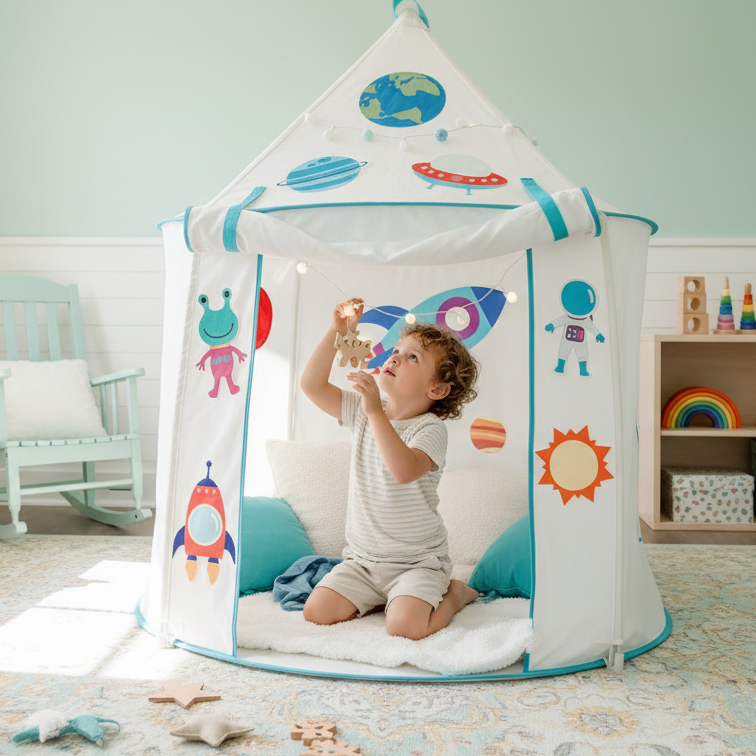
This is where thoughtfully designed play environments, such as those centred around adaptable structures like ZeeZee Adventure, can play a meaningful role. Rather than functioning as a single-purpose toy, such spaces act as a foundation for evolving play experiences. They provide a consistent setting while allowing the narrative to change continuously.
Depth Over Quantity
One of the most significant shifts in modern parenting philosophy is the move from quantity to quality. Instead of accumulating more toys, there is growing recognition of the value of fewer, more meaningful play resources.
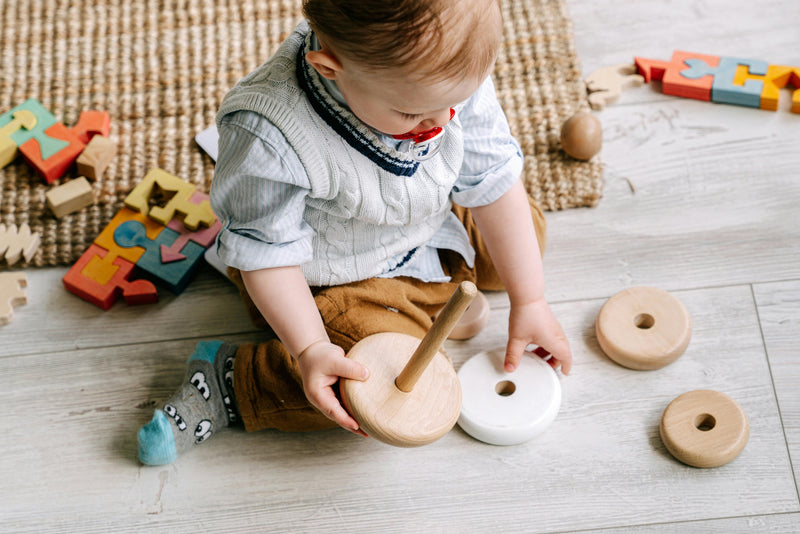
When children have access to a limited number of carefully chosen items, they are more likely to explore them deeply. They experiment, combine, and reinterpret their uses. This leads to richer and more sustained engagement.
In contrast, an excess of toys can encourage superficial interaction. The focus shifts from exploration to consumption, from creation to novelty-seeking.
Emotional and Cognitive Benefits of Deep Play
Deep, sustained play is not only more enjoyable but also more beneficial for development. It supports a range of cognitive and emotional skills, including problem-solving, creativity, and self-regulation.
When children engage deeply, they learn to concentrate for extended periods. They develop persistence and the ability to work through challenges. They also gain confidence in their ability to create and adapt.
These skills are essential for long-term development and extend far beyond childhood play.
Rethinking the Purpose of Toys
The modern toy industry is driven by innovation, competition, and consumer demand. New features, themes, and technologies are constantly introduced to capture attention. While this innovation has value, it also contributes to the cycle of novelty and obsolescence.
To break this cycle, it is important to reconsider the purpose of toys. Instead of viewing them as sources of entertainment, they can be seen as tools that support development and creativity.
The most effective toys are not those that do the most, but those that allow children to do the most.
A Return to Intentional Play
As awareness grows, many families are adopting a more intentional approach to play. This involves thoughtful curation of toys, deliberate design of play spaces, and a focus on experiences rather than objects.
It also involves recognising that less can often be more.
By reducing clutter, simplifying environments, and prioritising open-ended experiences, parents can create conditions that support meaningful play.
Conclusion
The question is not why children play less despite having more toys. The question is whether the toys and environments provided truly support the kind of play children need.
Meaningful play does not require abundance. It requires possibility.
When children are given the freedom to imagine, explore, and create within environments that support them, play becomes richer, deeper, and more enduring.
In a world filled with options, the most valuable gift may not be more toys, but better spaces to play.
Frequently Asked Questions
Why do children have so many toys but still seem bored?
Children are not necessarily bored with play itself. They often lose interest when toys offer limited ways to interact. Many modern toys are designed with fixed functions, meaning that once a child has explored everything the toy can do, there is little left to discover. Over time, this reduces engagement, even if the number of toys increases.
Does having more toys reduce a child’s ability to focus?
In many cases, yes. Research suggests that when children are surrounded by too many options, their attention becomes divided. Instead of engaging deeply with one activity, they tend to move quickly between toys. This can reduce concentration, creativity, and the overall quality of play.
What kind of toys keep children engaged for longer?
Toys that support open-ended play tend to hold children’s attention for longer periods. These are toys or play elements that do not have a single fixed purpose. Instead, they allow children to create their own stories and uses. Because the possibilities continue to evolve, the play experience remains fresh and engaging.
Is it better to reduce the number of toys at home?
In many cases, reducing the number of toys can improve the quality of play. When children have fewer options, they are more likely to explore each one more deeply. This encourages imagination, problem-solving, and longer periods of focused engagement rather than short bursts of attention.
How does the play environment affect children’s behaviour?
The environment plays a crucial role in how children engage with play. Cluttered or highly stimulating spaces can overwhelm attention and make it difficult for children to focus. In contrast, calm and intentional environments support deeper concentration, creativity, and emotional regulation.
What is the difference between a toy and a play environment?
A toy is typically an individual object designed for a specific type of interaction. A play environment, on the other hand, is a space that supports a wide range of experiences. It provides a setting where children can create, adapt, and immerse themselves in different forms of play over time.
Why are defined play spaces important for children?
Defined play spaces help children transition into a focused and imaginative state. When a child enters a dedicated area for play, it signals a shift in mindset. These spaces encourage immersion, allowing children to build stories, explore ideas, and remain engaged for longer periods.
How can parents create better play experiences at home?
Parents can support better play experiences by focusing on simplicity and intention. This may include reducing toy clutter, organising play areas, and introducing elements that encourage open-ended use. Even a small, well-designed space can significantly enhance the depth and quality of play.
How do adaptable play spaces support long-term engagement?
Adaptable play spaces allow children to reinterpret and reshape their environment over time. Instead of offering a fixed experience, they provide a flexible foundation that evolves with the child’s imagination. This makes them particularly effective for sustained engagement across different ages and interests.
Where does ZeeZee Adventure fit into this approach?
ZeeZee Adventure aligns with the idea of play environments rather than single-purpose toys. It functions as a flexible, imaginative space that children can continuously transform. Rather than directing play, it supports open-ended experiences, allowing stories and ideas to develop naturally over time.




Comment (0)