
Why Screen-Free Toys Are Making a Comeback
Introduction
There is something interesting happening in children's play.
At a time when technology has become more advanced than ever, many families are becoming increasingly interested in something much simpler.
Toys without screens.
Wooden blocks.
Puzzles.
Art materials.
Dolls.
Books.
Building sets.
Pretend-play props.
Open-ended materials that do not light up, talk back, or require an app to work.
This might seem surprising. After all, today's children have access to extraordinary digital experiences. Interactive games, educational applications and connected toys can entertain, teach and connect children in ways that previous generations could never have imagined.
Yet parents are also beginning to recognise the value of creating space for something different.
Not necessarily less technology.
More balance.
The growing interest in screen-free toys reflects a wider shift towards slower, more intentional childhood experiences. Parents are looking for ways to give children opportunities to create rather than simply consume, imagine rather than follow instructions, and explore the physical world rather than spend every free moment looking at a device.
And perhaps the most reassuring part is that these toys do not need to be complicated.
Sometimes, the simplest toy gives a child the most room to think.
Quick Answer
Screen-free toys are making a comeback because parents are increasingly looking for balance in a digital childhood. Simple, hands-on toys give children opportunities to build, imagine, create, problem-solve, and play independently without relying on screens. Open-ended toys can also remain useful for longer because children can use the same materials in different ways as their interests, abilities, and imagination develop.
Key Takeaways
-
Screen-free toys offer children opportunities for hands-on, imaginative exploration.
-
Parents are increasingly interested in balancing digital experiences with physical play.
-
Open-ended toys can encourage creativity because they do not dictate a single outcome.
-
Simple toys often grow with children as their skills and imagination develop.
-
Screen-free play does not require banning technology. It is about creating meaningful alternatives.
What Are Screen-Free Toys?
Screen-free toys are physical play materials that do not require a digital screen, application, or connected device to function.
They include traditional favourites such as blocks, puzzles, dolls, books, art materials and construction sets, as well as open-ended resources such as fabric, cardboard, natural materials and imaginative play environments.
The defining feature is not necessarily how a toy looks.
It is what the child can do with it.
A good screen-free toy creates opportunities for children to make decisions, experiment, imagine, and participate actively in their play.
Why Are Parents Looking for Screen-Free Toys Again?
The return to screen-free toys does not mean parents suddenly believe technology is harmful or unnecessary.
Technology is now an ordinary part of modern childhood.
Children use digital tools for education, communication, entertainment, and creativity. In many families, completely eliminating screens would be unrealistic.
The more useful conversation is about balance.
Parents are increasingly looking for moments during the day when children can put the device down and engage with something tangible.
That might mean building a tower after school, drawing before dinner, reading at bedtime, or spending an afternoon creating an imaginary world.
These experiences offer a different kind of engagement.
The child is not simply responding to something happening on a screen.
They are deciding what happens next.
The Difference Between Entertainment and Engagement
One reason screen-free toys are receiving renewed attention is that they change the child's role in play.
With highly interactive digital entertainment, much of the experience has already been designed.
The characters move.
The sounds play.
The storyline progresses.
The game tells the child what to do.
A screen-free toy can leave much more unfinished.
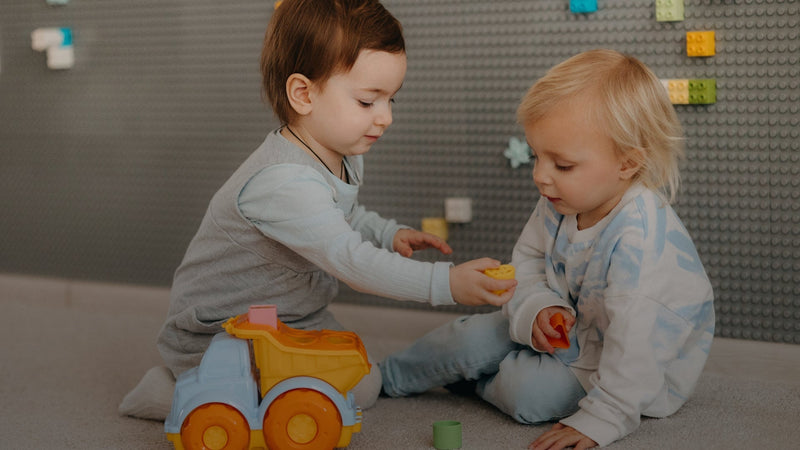
A box of building blocks does not tell a child what to construct.
A blank sheet of paper does not decide what the drawing should become.
A doll does not provide the dialogue.
The child has to supply those things.
That makes play an active creative process.
Children are not simply consuming an experience.
They are creating one.
Why Simple Toys Can Encourage Imagination
Imagine giving a child a cardboard box.
One child might turn it into a car.
Another might build a house.
Another might create a rocket.
Another might use it as a shop.
The object has not changed.
The child's interpretation has.
This is the strength of open-ended play.
There is no single correct way to use the material.
The child becomes the storyteller, designer and problem-solver.
That freedom can encourage divergent thinking because children have to consider different possibilities rather than simply follow a predetermined sequence.
Expert Insight
The less a toy dictates, the more space there can be for the child to contribute.
Child development professionals often value play materials that allow children to make choices and experiment. Open-ended play gives children opportunities to practise planning, problem-solving, communication and flexible thinking while remaining enjoyable and self-directed.
Screen-Free Toys Can Grow With Children
One of the strongest arguments for simple toys is longevity.
A puzzle might initially be used with adult support.
Later, the child completes it independently.
Building blocks might first become simple towers.
Eventually they become houses, bridges, cities, and elaborate imaginary worlds.
Art materials can support scribbling during toddlerhood and increasingly detailed creative projects later.
The material stays the same.
The child's relationship with it changes.
This is important because meaningful play does not always require something new.
Sometimes children simply need time to discover what else they can do with something familiar.
The Role of Sensory Experiences
Screen-free play also gives children opportunities to interact with physical materials.
They can feel the texture of wood.
Squish modelling dough.
Pour water.
Stack blocks.
Turn pages.
Cut paper.
Collect stones.
Move cushions.
Build dens.
These experiences involve movement and touch in ways that digital interaction cannot fully replicate.
For children who enjoy sensory exploration, a tactile play environment can be particularly inviting.
This does not mean every child needs a dedicated sensory activity.
Ordinary play already provides countless opportunities to touch, move, manipulate, and explore.
Why Boredom Is Part of the Picture
One of the most uncomfortable parts of reducing screen use is hearing a child say,
"I'm bored."
Our instinct may be to fix it immediately.
Offer a new activity.
Suggest a programme.
Hand over a device.
But boredom does not always need to be solved.
Sometimes it is the beginning of something.
A child who has exhausted their usual entertainment may begin looking around the room.
They notice a cardboard box.
Some cushions.
A pile of books.
A forgotten set of blocks.
Then an idea appears.
That transition from "There's nothing to do" to "I know what I'll do" is valuable.
Children learn that they can generate their own entertainment.
They do not always need someone else to provide it.
Screen-Free Does Not Mean Boring
This is perhaps the biggest misconception.
Screen-free play can be incredibly immersive.
Children can spend hours building worlds, creating stories, dressing up, drawing, reading or constructing elaborate structures.
The difference is that the experience is often powered by the child's imagination rather than by the technology.
A cardboard box does not flash when a child looks at it.
It simply waits.
And that waiting creates space.
Space for the child to decide what happens next.
What Parents Should Look for in a Screen-Free Toy
When choosing a screen-free toy, the price or appearance should not be the only consideration.
Think about the experience it creates.
Ask yourself:
-
Can my child use it in more than one way?
-
Does it encourage imagination?
-
Can my child eventually use it independently?
-
Will it remain interesting as their abilities develop?
-
Does it encourage movement or hands-on exploration?
-
Can siblings or parents join in?
-
Does it leave room for the child to make decisions?
A toy does not need to be educational in an obvious way to be valuable.
Sometimes its greatest strength is simply giving children the freedom to create.
A Smaller Toy Collection Can Be More Intentional
More toys do not necessarily mean more play.
When every surface is covered with toys, children may find it difficult to decide what to do.
A smaller selection can make it easier to notice individual materials.
You might keep a few favourites accessible and store others away for occasional rotation.
This does not mean creating a minimalist home simply for aesthetic reasons.
It means giving children enough visual and physical space to engage with what is available.
The goal is not less childhood.
It is less unnecessary distraction.
Screen-Free Play Is About Balance, Not Perfection
There is no requirement for a family to become completely screen-free.
Real life is more complicated than that.
Parents have work.
Children have school.
Families use technology to communicate, learn, and relax.
The goal is not to create a childhood untouched by technology.
It is to make sure screens are not the only source of entertainment.
A balanced childhood can include digital experiences and plenty of opportunities for physical, social, imaginative, and independent play.
The important question is whether children have enough opportunities to experience both.
Why Screen-Free Play Is Becoming More Relevant
Perhaps the comeback of screen-free toys is not really a return to the past.
It is an adaptation to the present.
Children are growing up surrounded by technology, so parents are becoming more intentional about providing experiences technology cannot replace.
The tactile sensation of building.
The frustration and satisfaction of solving a puzzle.
The freedom of inventing a story.
The physical movement involved in constructing a fort.
The quiet concentration of reading.
These experiences have always been valuable.
They simply feel more valuable when the alternative is available at the touch of a button.
Creating a More Imaginative Childhood
Perhaps the most interesting thing about the return of screen-free toys is that it is not really a story about toys.
It is a story about what parents want childhood to feel like.
In a world filled with notifications, streaming platforms, and endless digital entertainment, simple play offers something increasingly valuable: space.
Space for children to think.
Space to make mistakes.
Space to become absorbed in an idea.
Space to create something that did not exist before.
Screen-free toys are not automatically better simply because they do not contain technology. Their value comes from the experiences they make possible. A well-chosen toy can encourage a child to build, imagine, communicate, experiment, and solve problems without being told exactly what to do.
That is why the comeback matters.
It is not about going backwards.
It is about making sure childhood continues to include experiences that technology cannot provide on its own.
Choosing Better Screen-Free Toys
Parents do not need to replace every toy in the house.
Instead, look at the toys your child already enjoys and consider what they invite your child to do.
Does the toy encourage your child to make choices?
Can it be used in different ways?
Does it allow your child to create their own story?
Can they eventually use it without constant adult assistance?
Will it remain interesting as their skills develop?
These questions are often more useful than simply asking whether a toy is labelled educational.
A toy can be educational without looking educational.
A set of blocks can introduce spatial reasoning.
A pretend kitchen can encourage language and social play.
Drawing materials can support creativity and fine motor development.
A simple puzzle can encourage persistence and problem-solving.
The strongest toys often leave something for the child to figure out.

A Parent's Screen-Free Toy Checklist
Before buying a new toy, consider whether it offers genuine opportunities for play.
Look for toys that:
☐ Encourage imagination.
☐ Can be used in more than one way.
☐ Allow children to make decisions.
☐ Support hands-on exploration.
☐ Can grow with your child's abilities.
☐ Encourage independent play.
☐ Leave room for storytelling and creativity.
☐ Can be enjoyed repeatedly without becoming completely predictable.
☐ Encourage movement, building, or making where appropriate.
☐ Fit naturally into your child's existing interests.
You do not need a house full of toys that meet every point.
A small collection of versatile materials can provide countless possibilities.
Let Children See the Possibilities
One of the easiest ways to encourage screen-free play is to avoid showing children exactly what they should do.
Instead of saying,
"Build this tower."
Try:
"I wonder what you could build?"
Instead of demonstrating an entire craft project, provide the materials and allow your child to decide what they want to create.
Instead of correcting an imaginative story, listen to it.
These small changes give children greater ownership over their play.
The adult becomes a facilitator rather than a director.
That does not mean children never need guidance.
Young children often benefit from demonstrations, encouragement, and support. But once they understand the basic idea, giving them space to take over can be incredibly valuable.
Independent Play Takes Time to Develop
It is also important to have realistic expectations.
If a child is accustomed to highly stimulating entertainment or frequent adult involvement, they may not immediately spend an hour happily playing alone.
That does not mean independent play is impossible.
Start small.
Offer a familiar activity.
Stay nearby.
Allow your child to become comfortable.
Gradually increase the amount of time they can explore without direct involvement.
Independent play is a skill that develops through practice.
It should feel like an invitation, not a demand.
Boredom Is Not an Emergency
There is a moment every parent knows.
"I'm bored."
It can be tempting to immediately offer a solution.
But sometimes boredom is exactly where independent thinking begins.
When there is no ready-made entertainment, children have to decide what comes next.
They might begin drawing.
Build something.
Look through a book.
Create a pretend game.
Ask a sibling to play.
Invent an imaginary character.
That transition can be valuable because children discover that they are capable of generating ideas themselves.
Boredom does not guarantee creativity.
But constantly removing every opportunity for boredom leaves very little room for children to practise creating their own entertainment.
Screen-Free Play Can Be Part of a Balanced Childhood
The goal is not to create a childhood completely free from screens.
For most families, that would neither be realistic nor necessary.
Technology can be useful.
Children may use screens for schoolwork, communication, creative projects, and entertainment.
The important question is whether digital experiences are balanced with other forms of childhood experience.
Children also need opportunities to move, talk, build, read, imagine, explore outdoors and play with other people.
Screen-free toys provide an accessible way to create some of those moments.
Expert Insight
Think about the experience, not the label.
A toy labelled "educational" is not automatically more valuable than a simple toy. What matters is the quality of interaction it encourages. Parents can often make better choices by asking what their child will actually do with a toy rather than focusing only on its features, price, or marketing claims.
Why ZeeZee Adventures Belongs in This Conversation
The return of screen-free play is not simply about replacing tablets with traditional toys.
It is about creating environments where children can become absorbed in their own ideas.
That is where ZeeZee Adventures naturally fits.
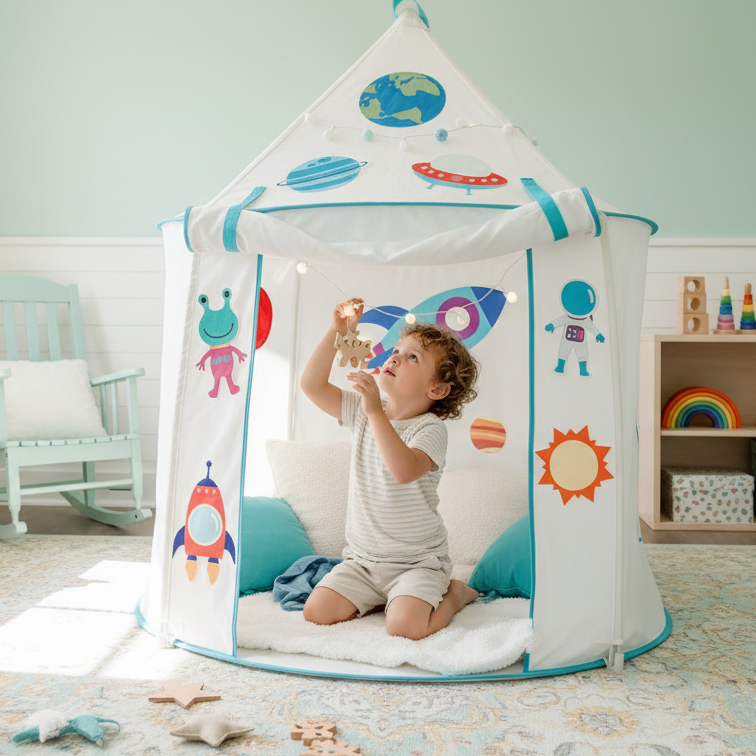
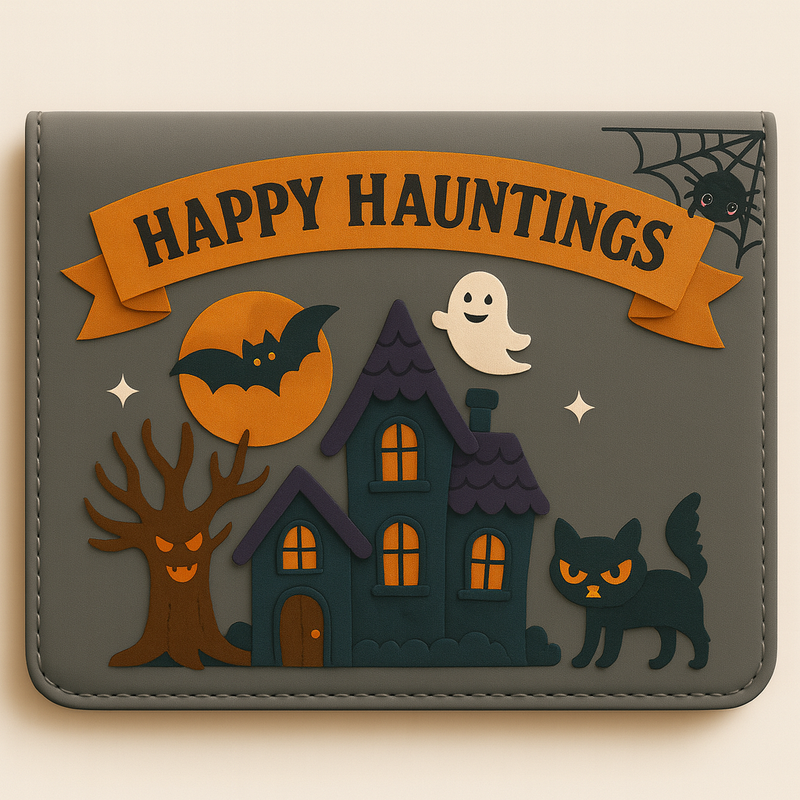
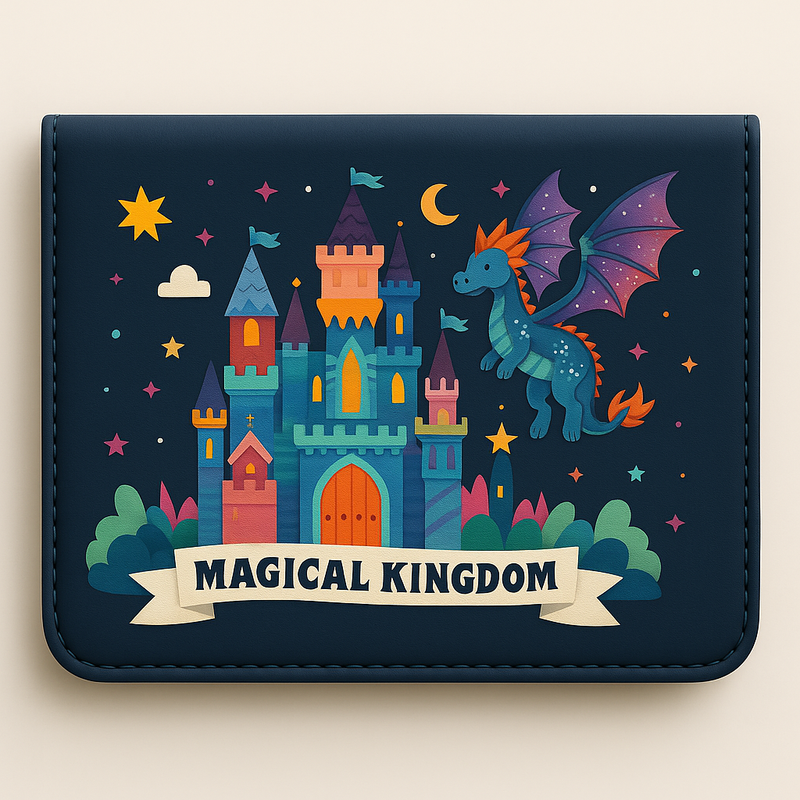
The ZeeZee Adventure Tent is designed as a calm, sensory-friendly play environment where children can read, imagine, create, and explore without relying on digital entertainment. Its interchangeable StickeeZ themes allow the same familiar space to become something different as a child's interests change.
The tent might become a jungle expedition one afternoon and a castle the next.
The product remains familiar.
The story changes.
That distinction is important.
Children are given a consistent physical environment while retaining control over what happens inside it. This supports the broader idea behind screen-free play: give children materials and spaces that invite them to become the creators of their experience.
The Comeback of Screen-Free Toys Is Really a Comeback of Imagination
Perhaps we should not be surprised that screen-free toys are becoming popular again.
Technology has made entertainment incredibly accessible.
Children can watch almost anything, whenever they want.
And precisely because digital stimulation is so easy to access, physical play can offer something different.
It asks children to participate.
To decide.
To imagine.
To try again.
To create.
A screen can show a story.
A child can invent one.
A digital game can provide a world.
A child can build one from cushions, blocks, and cardboard.
Neither experience has to replace the other.
The healthiest approach is often to make room for both.
A Simpler Approach to Play
You do not need to become a screen-free family overnight.
You do not need to buy a completely new toy collection.
You do not need a picture-perfect playroom.
Start with one small change.
Put away the tablet for an hour.
Bring out the blocks.
Read a book.
Go outside.
Build a den.
Give your child some paper and let them draw.
Then watch what happens when you do not immediately tell them what to do.
You may be surprised by how much they create when there is room to create.
Conclusion
The comeback of screen-free toys is not a rejection of modern childhood.
It is a reminder that modern childhood needs balance.
Technology will continue to evolve, and children will continue to grow up alongside it.
But some things remain wonderfully unchanged.
Children still love stories.
They still build forts.
They still turn boxes into spaceships.
They still create imaginary friends.
They still become completely absorbed in simple games.
They still want to make things with their hands.
Those experiences matter.
Screen-free toys give children something that many highly programmed experiences cannot: the freedom to decide what happens next.
And perhaps that is their greatest strength.
The best screen-free toys do not compete for attention.
They give attention somewhere meaningful to go.
They give children space to create.
They give families opportunities to connect.
And they remind us that sometimes, the simplest form of play is also one of the richest.
Frequently Asked Questions
1. Why are screen-free toys becoming popular again?
Parents are increasingly interested in balancing digital experiences with hands-on play. Screen-free toys provide opportunities for children to build, create, imagine, and explore without relying on digital entertainment.
2. Are screen-free toys better than electronic toys?
Not necessarily. Both can have a place in childhood. The important consideration is the type of experience each toy creates and whether children have a healthy variety of physical, social, imaginative, and digital activities.
3. What are the best screen-free toys for children?
Open-ended materials such as blocks, art supplies, construction sets, books, puzzles, dolls, and imaginative play resources can be excellent choices because they allow children to use them in different ways.
4. Do screen-free toys help with independent play?
They can. Toys that children can access and use without constant adult direction can create opportunities for independent exploration. However, independent play develops gradually, and children may initially need support.
5. How can I encourage my child to play without screens?
Start gradually. Create predictable screen-free periods and make engaging alternatives accessible. Avoid filling every moment with organised activities and give children time to discover their own ideas.
6. Does screen-free play mean banning technology?
No. Screen-free play is best understood as one part of a balanced childhood. Families can use technology while also protecting time for physical, imaginative, social, and outdoor play.
7. Why are open-ended toys valuable?
Open-ended toys can be used in many different ways, allowing children to make decisions, develop stories, experiment with ideas, and adapt their play as their abilities and interests change.




Comment (0)