
The Secret Behind Child-Friendly Spaces That Actually Work
Most people picture a child-friendly room as colorful walls, overflowing toy bins, bright decorations, and shelves packed with entertainment.
But here's something that surprises many parents:
The most effective child-friendly spaces often have less going on not more.
In 2026, a growing number of parents, educators, pediatric occupational therapists, and child development experts are rethinking what makes a space truly supportive for children.
Instead of asking:
"How can we keep kids entertained?"
They're asking:
"How can we create an environment that helps children thrive?"
The answer has less to do with buying more toys and more to do with designing spaces that naturally encourage creativity, independent play, emotional regulation, and focus.
Because children don't simply respond to rules.
They respond to environments.
And when those environments are thoughtfully designed, many parenting challenges become easier to navigate.
Quick Answer
A child-friendly space supports healthy development by reducing unnecessary distractions and encouraging independent play, creativity, focus, and emotional regulation. Rather than overwhelming children with stimulation, well-designed environments make it easier for them to explore, imagine, learn, and entertain themselves.
The Core Problem: Many Children's Spaces Are Designed for Stimulation, Not Development
Walk through any toy store.
Everything competes for attention.
Bright lights.
Music.
Buttons.
Movement.
Sounds.
Flashing colors.
Many children's bedrooms unintentionally follow the same pattern.
Although these environments appear exciting, constant stimulation doesn't always support meaningful play.
Sometimes it creates the opposite effect.
When Everything Competes for Attention
Young children are still developing the ability to filter distractions.
When every object demands attention, they often find it harder to:
- Focus on one activity
- Stay engaged in play
- Create their own stories
- Regulate emotions
- Play independently
Ironically, more stimulation can result in shorter attention spans and shallower play.
What Child Development Experts Want Parents to Know
One of the biggest misconceptions in parenting is that children's behavior comes entirely from personality or discipline.
In reality, behavior is heavily influenced by environment.
Developmental experts often describe the environment as the "third teacher," alongside parents and caregivers.
Children naturally respond to spaces that support:
- Exploration
- Independence
- Creativity
- Calm
- Predictability
Rather than constantly directing children, thoughtfully designed spaces encourage these behaviors naturally.
The environment quietly does some of the parenting work.
Why Children Naturally Love Cozy, Defined Spaces
Have you ever noticed how often children build forts?
Blankets over chairs.
Pillow hideouts.
Closets transformed into secret clubs.
Cardboard boxes becoming tiny homes.
This isn't random.
Children are naturally drawn to spaces that feel:
- Safe
- Predictable
- Cozy
- Enclosed
- Separate from distractions
These environments help reduce sensory input while making children feel secure enough to fully immerse themselves in imaginative play.
A smaller space often creates a much bigger world inside a child's imagination.
The Science Behind Great Play Spaces
Well-designed play environments support development in several important ways.
They Encourage Longer Attention Spans
When distractions are reduced, children tend to remain engaged with one activity for longer periods.
This sustained attention supports deeper learning.
They Build Independent Play
Spaces that are organized, inviting, and easy for children to navigate encourage them to make their own choices without constantly relying on adults.
Independent play strengthens confidence and problem-solving skills.
They Support Emotional Regulation
Cozy environments can become natural places where children reset after becoming overstimulated or overwhelmed.
Many children instinctively seek enclosed spaces when they need a moment of calm.
They Inspire Creativity
Children don't need dozens of highly specialized toys.
They need opportunities to imagine.
Simple environments allow ordinary objects to become extraordinary adventures.
A chair becomes a pirate ship.
A blanket becomes a cave.
A tent becomes a magical kingdom.
Creativity flourishes when children are free to invent rather than simply consume.
Practical Ways to Create a Child-Friendly Space
Prioritize Function Over Quantity
Children rarely benefit from having every toy available at once.
Instead, design the room around meaningful play rather than storage.
Reduce Visual Clutter
Too many visible toys can make it difficult for children to decide where to begin.
Toy rotation often increases engagement more effectively than constantly buying something new.
Create Dedicated Activity Zones
Separate spaces for different experiences help children understand how each area is meant to be used.
Consider creating zones for:
- Reading
- Building
- Creative projects
- Pretend play
- Quiet time
Choose Open-Ended Materials
Open-ended materials encourage children to create rather than simply follow instructions.
Examples include:
- Blocks
- Costumes
- Blankets
- Art supplies
- Cardboard boxes
- Stuffed animals
These materials adapt to children's imaginations instead of limiting them.
Design for Independence
Store books, toys, and creative materials where children can reach them independently.
The easier it is for children to make their own choices, the more confident they become.
The Hidden Connection Between Environment and Screen Time
Parents often focus on screen rules.
But the physical environment matters just as much.
If a screen is the easiest and most exciting option available, children will naturally choose it.
However, when a room invites exploration, storytelling, reading, and imaginative play, children begin discovering alternatives on their own.
Rather than fighting against screens, you're creating something equally engaging.
Sometimes the best way to reduce screen time isn't by taking screens away.
It's by making real-world play impossible to resist.
The ZeeZee Solution
Many families are discovering that one of the simplest ways to encourage independent play is by creating a space specifically designed for imagination.
That's exactly what inspired ZeeZee Adventures.
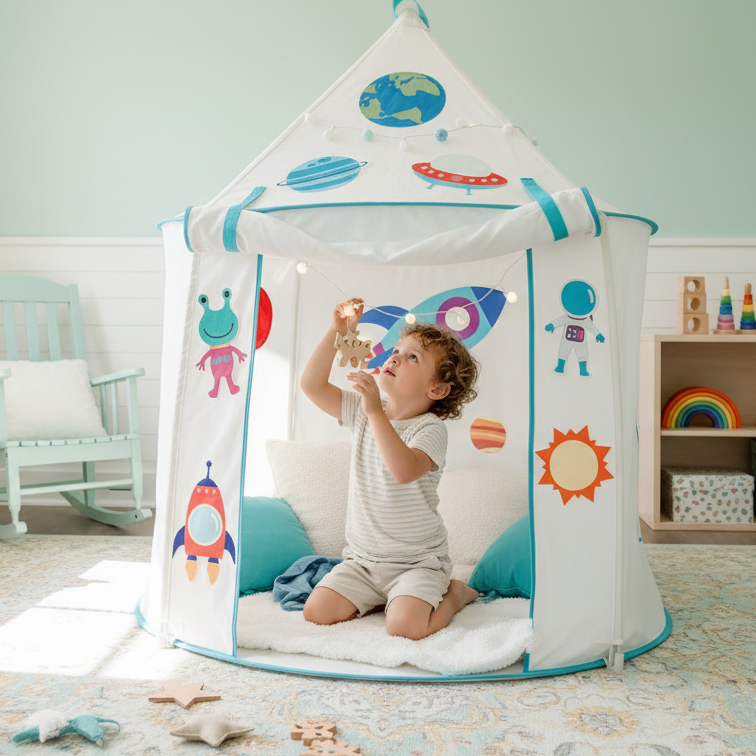
Instead of simply offering another toy, the adventure tent creates a defined environment where children can slow down, explore, and tell their own stories.
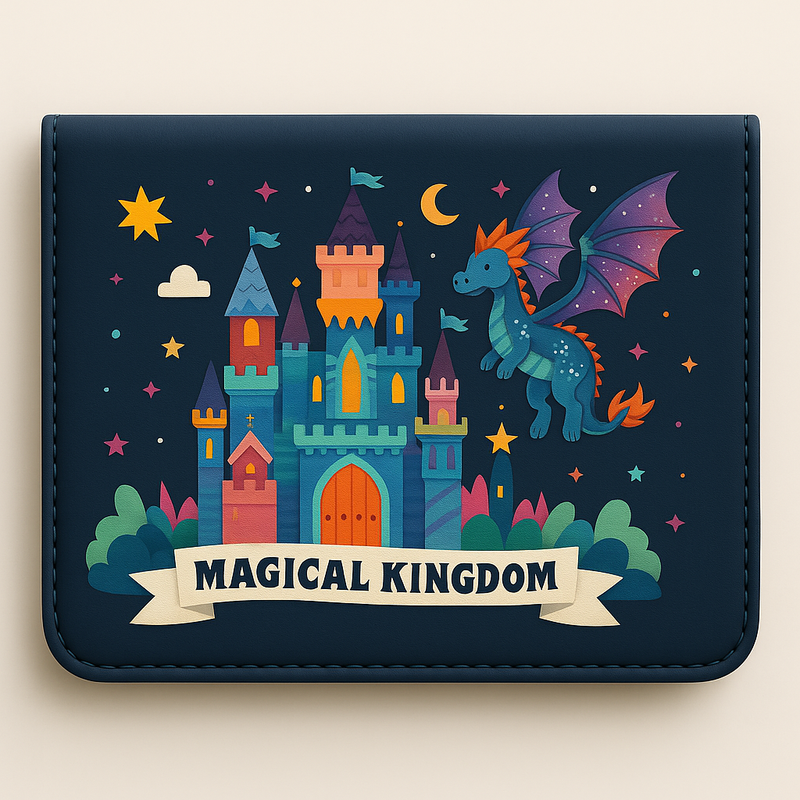
Its enclosed, sensory-friendly design provides a cozy retreat that supports focus, creativity, reading, and emotional regulation. Rather than remaining the same over time, interchangeable StickeeZ themes allow children to transform the space into entirely new adventures as their interests evolve—from magical kingdoms and space missions to explorer camps and reading hideaways.
Instead of being entertained, children become the creators of their own worlds.

Conclusion
The best child-friendly spaces don't overwhelm children with stimulation.
They give children room to think.
To imagine.
To create.
To explore.
Thoughtful environments quietly support the very skills parents hope to encourage every day: creativity, confidence, independence, focus, and emotional well-being.
Because truly child-friendly spaces aren't designed to entertain children.
They're designed to help children discover what they're capable of when imagination takes the lead.
Frequently Asked Questions
What makes a space child-friendly?
A child-friendly space is safe, organized, inviting, and encourages independent play, creativity, exploration, and emotional regulation without overwhelming children with unnecessary stimulation.
Do children need lots of toys?
Not necessarily. Many child development experts recommend fewer, open-ended toys that encourage imagination and sustained engagement.
Why do children enjoy forts and small spaces?
Enclosed spaces help many children feel secure, reduce sensory distractions, and create ideal environments for imaginative play and quiet focus.
Can room design reduce screen time?
Yes. Spaces that make reading, pretend play, and creative activities more accessible naturally encourage children to choose them more often.
What is open-ended play?
Open-ended play allows children to decide how materials will be used rather than following fixed rules or instructions, encouraging creativity and problem-solving.
Author Bio
The ZeeZee Play Experts
The ZeeZee Play Experts combine child development principles with practical parenting strategies to help families design environments where children can play, imagine, and grow. Their work focuses on creating sensory-friendly spaces that encourage creativity, independence, and meaningful childhood experiences.





Comment (0)