

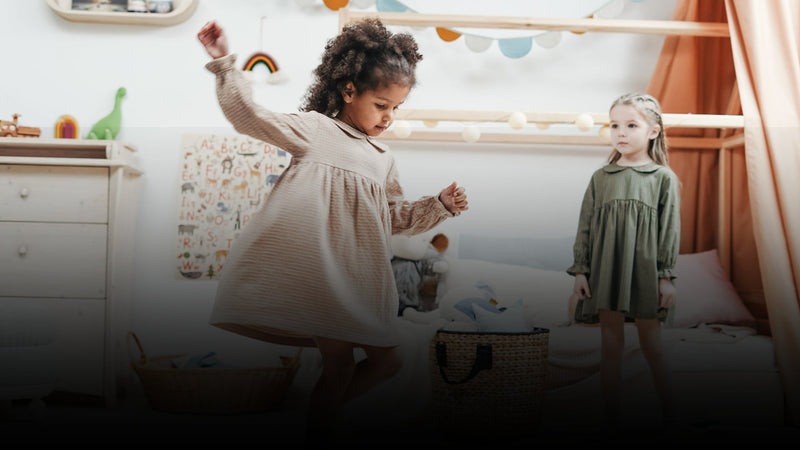
How Play Helps Kids Process Big Emotions (When They Don't Have the Words Yet)
Introduction
Have you ever noticed your child reenacting a difficult experience during play?
Maybe they line up stuffed animals and pretend one is scared. Maybe they repeatedly act out a doctor's visit, a first day of school, or a disagreement with a friend.
At first glance, it can seem like simple make-believe.
But child development experts know something important:
Children often process emotions through play long before they can fully explain them with words.
In a world where parents are increasingly concerned about emotional well-being, resilience, and mental health, understanding the connection between play and emotional regulation has never been more important.
Play isn't just entertainment.
For children, it's often a language.
And through that language, they learn how to understand, express, and manage some of their biggest feelings.

The Core Problem: Children Feel More Than They Can Explain
Young children experience emotions just as intensely as adults.
Sometimes even more intensely.
The difference is that they don't yet have the vocabulary, self-awareness, or communication skills to explain exactly what they're feeling.
A child may struggle to say:
-
"I'm anxious."
-
"I'm overwhelmed."
-
"I'm frustrated."
-
"I feel left out."
-
"I'm worried about tomorrow."
Instead, those feelings often show up through behavior.
Parents may notice:
-
Meltdowns
-
Clinginess
-
Irritability
-
Difficulty focusing
-
Increased sensitivity
-
Changes in sleep or play patterns
When children can't express emotions verbally, they often express them through action.
And one of the safest forms of action is play.
Why Play Is a Child's Natural Language
Adults process emotions through conversation.
Children often process emotions through play.
During play, children can recreate situations, experiment with different outcomes, and explore feelings from a safe distance.
A child who felt nervous at the doctor might pretend to be the doctor.
A child who experienced disappointment might create a story where a character overcomes a challenge.
A child struggling with separation anxiety might repeatedly play family-themed games.
Through these experiences, children gain a sense of control over emotions that may feel confusing or overwhelming in real life.
Play Creates Emotional Safety
One reason play is so effective is that it feels safe.
Children can:
-
Explore difficult feelings
-
Test solutions
-
Practice coping skills
-
Express emotions indirectly
All without feeling judged or pressured.
The imaginary world provides enough distance for children to work through experiences at their own pace.
How Different Types of Play Support Emotional Development
Pretend Play
Pretend play is one of the most powerful tools for emotional processing.
When children become superheroes, astronauts, teachers, or parents, they're experimenting with roles, relationships, and emotional experiences.
They learn empathy by imagining how others feel.
They build confidence by solving pretend problems.
They practice resilience by navigating challenges within their stories.
Creative Play
Drawing, crafting, building, and storytelling allow children to express emotions visually and symbolically.
Sometimes children communicate through creativity what they cannot yet explain through words.
Independent Play
Independent play gives children time and space to reflect.
Without constant direction, they can revisit experiences, create narratives, and process emotions naturally.
Sensory Play
Activities involving touch, movement, and sensory exploration often help children regulate their nervous systems.
When children feel calm physically, emotional processing becomes easier.
The Hidden Link Between Play and Emotional Regulation
Emotional regulation isn't about avoiding difficult feelings.
It's about learning how to experience those feelings without becoming overwhelmed by them.
Play provides practice.
Through play, children learn to:
-
Manage frustration
-
Navigate disappointment
-
Delay gratification
-
Solve conflicts
-
Recover from setbacks
These skills don't develop because someone lectures children about emotions.
They develop because children repeatedly experience them in play.
Over time, those experiences build emotional resilience.
Actionable Advice: How Parents Can Support Emotional Processing Through Play
Follow Your Child's Lead
Pay attention to recurring themes in play.
If a child repeatedly acts out a particular scenario, there may be an emotional experience they're working through.
Avoid interrupting or redirecting the story.
Resist the Urge to Solve Everything
When children process emotions through play, they don't always need explanations.
Sometimes they simply need space.
Create a Calm Environment
Children are more likely to engage in meaningful play when they feel safe and relaxed.
Low-stimulation environments often encourage deeper emotional exploration.
Offer Open-Ended Opportunities
Open-ended materials encourage children to create their own narratives rather than follow predetermined rules.
Remember That Repetition Is Normal
Children often revisit the same stories repeatedly.
This isn't a sign they're stuck.
It's often a sign they're processing.
The ZeeZee Solution
Because emotional processing often happens during imaginative play, environment matters.
Children need spaces where they feel secure enough to explore, imagine, and express themselves.
This is one reason many families incorporate ZeeZee Adventures into their daily routines.
The enclosed, sensory-friendly design creates a cozy retreat where children can step away from distractions and immerse themselves in storytelling, pretend play, and independent exploration.
The interchangeable StickeeZ themes help inspire new adventures while allowing children to remain in a familiar and comforting environment.
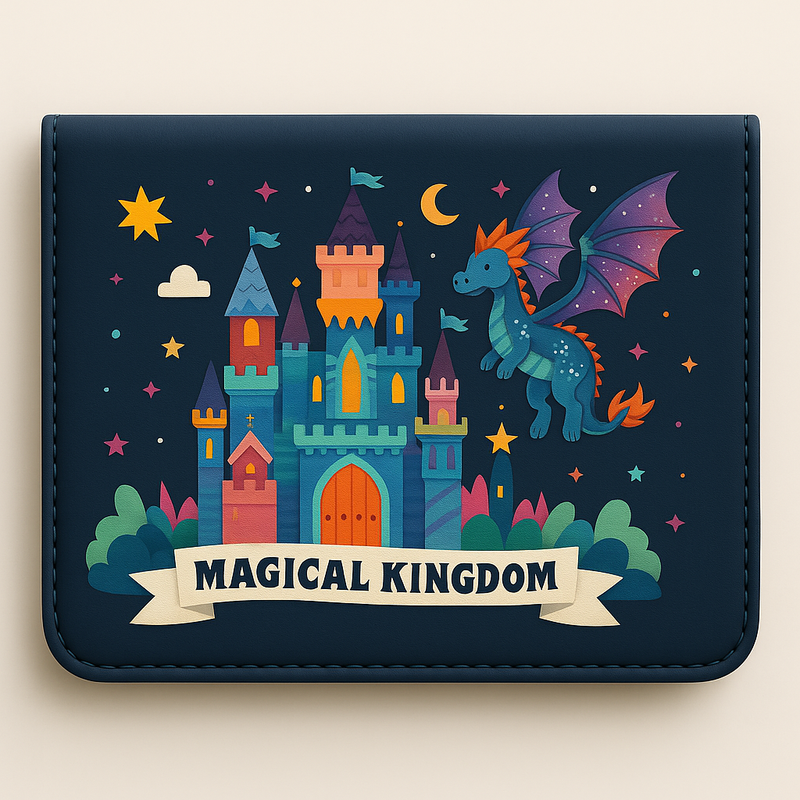
One day, the tent becomes a Magical Kingdom.
The next, it's a Space Voyage mission.
Then it transforms into a quiet hideaway for reading, reflection, and imaginative play.
These experiences give children opportunities not only to create stories but also to process emotions through them.
For many families, play isn't simply a way to pass the time.
It's a tool for emotional growth.
Conclusion
Children don't always have the words to explain what they're feeling.
But they often have play.
Through pretend adventures, creative storytelling, and independent exploration, children learn how to understand and manage big emotions in ways that feel natural and safe.
The next time your child is deeply immersed in imaginative play, remember:
They may be doing much more than having fun.
They may be making sense of their world.
And that's some of the most important work childhood can do.
Author Bio
The ZeeZee Play Experts are passionate advocates for child-led play and emotional well-being. With years of experience creating sensory-friendly, calming environments for children, they help families foster imagination, independence, and healthy emotional development through meaningful play experiences. Their mission is to make screen-free play both joyful and purposeful.





Comment (0)