
Indoor Activities for Kids That Encourage Creativity
Indoor time has become a much larger part of modern childhood than it once was. Between changing weather, busy schedules, increased screen use, and modern lifestyles, many children now spend a significant amount of time indoors. Because of this, parents often search for activities that will keep children entertained and engaged at home. However, the most meaningful indoor activities are not always the loudest, fastest, or most expensive ones. In many cases, the best activities are the ones that encourage imagination, curiosity, creativity, and independent thinking.
Why Creativity Matters in Childhood
Creativity is far more than an artistic skill. It plays an important role in emotional, social, and cognitive development. Through creative experiences, children learn how to solve problems, express emotions, experiment with ideas, and communicate more confidently. Research in child development consistently shows that imaginative play supports emotional resilience, communication skills, and cognitive flexibility.
Creative activities help children develop:
- imagination and curiosity
- problem-solving abilities
- emotional expression
- communication skills
- independent thinking
- confidence and self-esteem
- focus and concentration
- storytelling abilities
- social understanding and empathy
When children are given opportunities to create rather than simply consume entertainment, they begin learning how to think more independently and adapt to new situations creatively.
The Problem With Constant Entertainment
Modern childhood is often filled with overstimulation. Many toys, apps, and digital activities are designed to capture attention quickly through flashing lights, sounds, and constant movement. While these forms of entertainment may hold children’s attention temporarily, they do not always encourage deeper imaginative engagement.
Children may become passive consumers of stimulation rather than active creators of ideas. As a result, they often lose interest quickly and constantly search for something new to maintain excitement.
Creative play works differently because it invites children to participate actively rather than simply observe.
Why Open-Ended Activities Encourage More Creativity
Open-ended activities allow children to decide how they want to play instead of following one fixed outcome. These activities encourage imagination because there is no “correct” way to use the materials or create the experience.
A blanket can become:
- a castle
- a spaceship
- a reading hideaway
- a pirate ship
- a secret cave
Because the possibilities constantly evolve, open-ended activities often keep children engaged for much longer periods.
Examples of open-ended indoor activities include:
- blanket fort building
- storytelling games
- drawing and painting
- pretend cafés or shops
- puppet shows
- cardboard box creations
- dress-up role-play
- indoor treasure hunts
- imaginative reading corners
- building blocks and construction play
Fort Building Encourages Imagination and Problem Solving
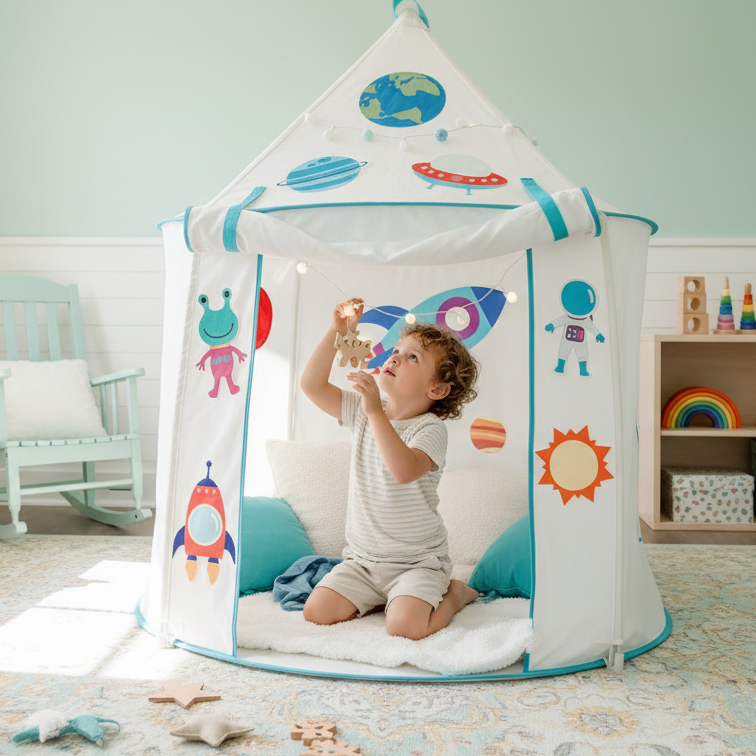
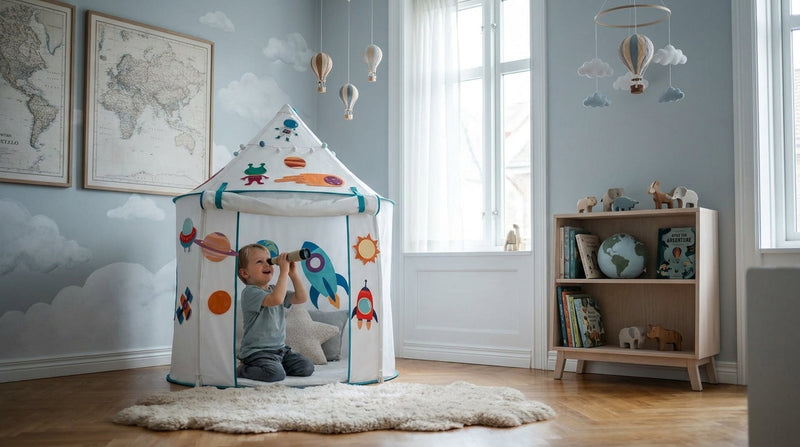
Fort building is one of the most powerful indoor activities for creative development. Children naturally enjoy creating spaces that feel personal, cozy, and imaginative. Using blankets, cushions, chairs, and pillows, children can transform ordinary rooms into entirely new worlds.
These imaginative environments encourage:
- storytelling
- role-playing
- problem solving
- independent thinking
- collaboration with siblings or parents
- emotional comfort and security
Many child development specialists believe that enclosed imaginative spaces help children feel calmer and more focused, which supports deeper imaginative play.
Some families also create flexible imaginative spaces inspired by concepts such as Zeezee Adventures to encourage storytelling, reading, and open-ended exploration in a calm and creative environment.
Art Activities Help Children Express Ideas and Emotions
Art allows children to experiment freely with colours, textures, shapes, and ideas. More importantly, art gives children a way to express emotions that they may not yet have the words to explain directly.
Creative art activities should focus more on exploration than perfection. When children feel free to experiment without pressure, they become more confident expressing themselves creatively.
Simple indoor art activities include:
- finger painting
- clay sculpting
- collage making
- homemade greeting cards
- recycled craft projects
- colouring murals
- DIY storybooks
- paper puppet creation
- painting rocks or natural materials
These activities encourage both creativity and emotional expression simultaneously.
Storytelling Strengthens Creativity and Communication
Children naturally enjoy inventing characters, adventures, and imaginary worlds. Storytelling activities encourage children to organise thoughts, communicate ideas, and use imagination actively.
Storytelling can involve:
- inventing bedtime stories
- acting out adventures
- creating puppet shows
- making up alternative endings to books
- drawing story sequences
- pretending to become fictional characters
Storytelling activities help children strengthen:
- language development
- emotional understanding
- memory and sequencing
- confidence in self-expression
- imaginative thinking
Through storytelling, children begin learning how to communicate emotions and ideas more clearly.
Pretend Play Helps Children Explore the World
Pretend play is one of the most developmentally valuable forms of indoor creativity. When children pretend to become chefs, astronauts, doctors, teachers, or explorers, they are experimenting with emotions, relationships, and real-life situations.
Pretend play encourages children to:
- practice communication
- solve problems creatively
- build empathy
- experiment with social roles
- process everyday experiences
- strengthen imagination
Popular pretend-play activities include:
- pretend kitchens
- doctor and patient games
- classroom role-play
- indoor camping adventures
- pirate treasure hunts
- supermarket or café setups
- puppet theatres
- space missions and explorer games
Unlike passive entertainment, pretend play requires children to actively shape the experience themselves.
Reading Spaces Encourage Quiet Creativity
Reading supports creativity in surprisingly powerful ways. When children listen to or read stories, they imagine characters, settings, and adventures internally. This strengthens visual imagination and creative thinking.
Creating cozy reading corners can encourage children to engage more deeply with stories and imaginative thinking.
A creativity-friendly reading space may include:
- soft cushions or beanbags
- warm lighting
- calming colours
- blankets and rugs
- accessible bookshelves
- quiet corners away from screens
Children often associate these spaces with comfort, relaxation, and curiosity.
Sensory Activities Encourage Exploration
Sensory activities allow children to explore textures, movement, sounds, and physical interaction with their environment. These experiences are especially valuable for younger children who learn best through hands-on exploration.
Sensory activities may include:
- water play
- sensory bins
- kinetic sand
- play dough
- rice or pasta exploration trays
- nature-based sensory materials
Sensory play can support:
- emotional regulation
- concentration and focus
- fine motor development
- calm independent play
- curiosity and experimentation
These activities encourage children to explore freely without pressure or strict outcomes.
Boredom Can Actually Support Creativity
Many parents feel pressure to constantly entertain children indoors. However, boredom is not always negative. In many cases, boredom becomes the starting point for imaginative thinking.
When children are not immediately given entertainment, they often begin inventing:
- games
- stories
- imaginary worlds
- creative solutions
- independent activities
Creativity often emerges during quiet moments when children are given space to think independently.
This is why children do not always need more toys or more stimulation. Sometimes they simply need more opportunities to imagine.
The Physical Environment Influences Creative Play
The design of indoor spaces can strongly affect how children play and focus. Cluttered, noisy, and overstimulating environments often make it harder for children to engage deeply with imaginative activities.
In contrast, calm and flexible spaces can help children:
- focus longer
- feel emotionally regulated
- engage more deeply with creativity
- sustain independent play
- feel calmer and more secure
Creativity-friendly spaces often include:
- minimal clutter
- open-ended materials
- calming colours
- cozy textures
- soft lighting
- quiet corners for focus
- flexible imaginative setups
Children tend to play more creatively when the environment feels emotionally comfortable and free from excessive distraction.
Creativity Grows Through Simple Everyday Moments
Parents do not need expensive toys or elaborate activities to encourage creativity indoors. In many cases, the most meaningful experiences come from simple moments of exploration and imagination.
A cardboard box can become an entire world.
A blanket fort can become a magical adventure.
A quiet storytelling session can become a lasting childhood memory.
The most valuable indoor activities are rarely the ones that entertain children the fastest. Often, they are the activities that encourage children to slow down, imagine freely, and create something entirely their own.
Because when children are given the freedom to invent, explore, and experiment, indoor play becomes far more than a way to pass time.
It becomes a foundation for creativity, confidence, emotional growth, and lifelong learning.
- Baby Registry
- Baby Shower
- Best gifts
- best play tent
- Best toys
- Best toys 2025
- Best toys 2026
- Blog
- calming toys
- child development
- children
- christmas gift ideas
- customizable play tent
- Holidaygiftguide
- jeanpiaget
- kids play tent
- Montesoori
- montessori
- Montessori Gifts
- Montessori play
- open-endedplay
- openendedplay
- parenting
- parents
- play tent
- Play Tents
- playroom inspo
- pretend play
- sahm
- Sensory Play
- sensory play gifts
- teepee play tent
- toddler toys
- tonies
- toyclutter
- toys
- ZeeZee
- ZeeZee Adventure
- ZeeZee Adventure Tent
- ZeeZee Adventures



Comment (0)