
The Constant Entertainment Trap: Why Modern Kids Get Bored So Fast and How Parents Can Raise Self-Reliant Children
Why We Feel Like Full-Time Entertainers
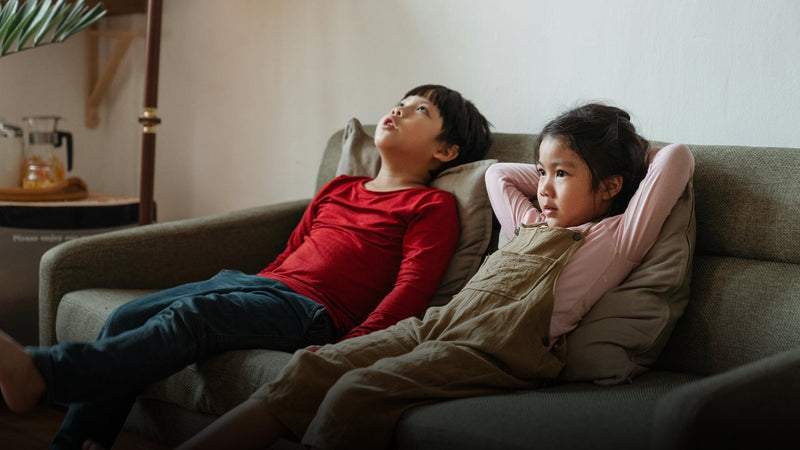
Many parents today find themselves stuck in a tiring cycle of acting as their child's personal cruise director. The very second a quiet gap opens up in the family schedule, you hear the familiar cry of "I'm bored!" echoing through the house. This usually leads to a quick scramble to hand over a tablet, set up a playdate, or invent a brand new activity on the spot. While we do this out of pure love and a desire to give our kids a fun childhood, we are accidentally taking away a major life skill. When we step in to fix every single quiet moment, our children learn that staying happy is someone else's job, which makes them rely heavily on screens and toys to keep themselves occupied.
This shift in family life has really changed how kids view a normal afternoon. Years ago, childhood was full of long, open hours where parents expected kids to figure out their own fun. Today, there is a lot of social pressure to fill every hour with lessons, sports, or educational clubs, leaving kids completely unused to a quiet room. When these highly scheduled children are suddenly faced with a free afternoon, they feel restless because they simply do not know what to do with themselves. Parents need to realize that this restlessness is not bad behavior; it just means the child's independent play muscle has not had enough practice to grow strong.
To break this habit, families need to look at how daily routines shape a child's attention span. When a parent constantly helps, gives directions, or corrects a child during play, the child's focus is broken, and they start waiting for the adult to tell them what to do next. This creates a short attention span where the child only stays interested if they have an audience praising them. By changing our role from an active entertainer to a quiet, supportive helper in the background, we give our kids the room they need to find their own creative ideas, helping them grow into calm, confident individuals.
Setting Up Your Home for Longer Play
The way our homes are set up can actually make it harder for a child to stay focused, even when we have the best intentions. Many playrooms are overflowing with plastic toys that flash lights, play loud music, and do all the moving and thinking at the push of a button. These toys give quick excitement but require zero imagination from the child, leading to a fast burst of fun followed by permanent boredom once the novelty wears off. When a home is packed with these one-purpose gadgets, a child gets used to constant noise, making simple activities like drawing or building with wooden blocks seem totally boring by comparison.
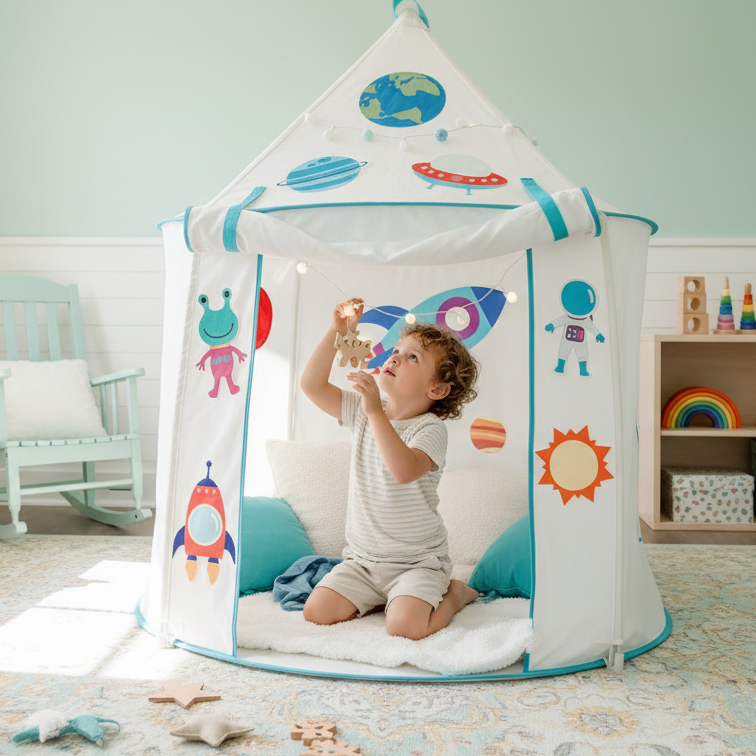
The easiest fix is to simplify the play area, trading loud electronic toys for simple materials that let your child use their mind. A basket of basic wooden blocks, some playdough, or old bedsheets can turn into a castle, a spaceship, or an art project, forcing the child's brain to do the creative work. Keep the room neat by using low, open shelves where only a few items are displayed clearly. This clean setup stops kids from feeling overwhelmed by too many choices, allowing them to walk into a room, pick a toy on their own, and stay playing without needing a parent to clean up a giant mess.
Creating these quiet play spaces helps children learn to rely on themselves. Brands that focus on child development, like ZeeZee Adventures, make simple, beautiful play spaces that match this exact idea, showing that a calm room actually helps kids stay focused for much longer. When parents take the time to set up an organized, clutter-free space, they create a helpful boundary that shields the child from the busy noises of the house. This visual calmness invites deeper focus, helping children move past their initial restlessness and slide into a world of fun that they created all by themselves.
Learning the Art of Stepping Back
Helping your child learn to play alone takes practice and a lot of patience from parents. When your child comes to you complaining that they have nothing to do, the best answer is not a long list of ideas or a smartphone, but a calm, loving hug combined with a gentle refusal to solve the problem for them. We need to see these moments not as a parenting failure, but as a golden opportunity where the child's mind is searching for a new path. Standing back and letting your child work through those first few minutes of being cranky is the exact moment they learn how to be self-reliant.
This means parents need to become comfortable with just being a supportive presence nearby. You are in the room and ready to help if there is a real safety issue, but you stay completely out of the actual game. When a child runs into a small problem, like a tall block tower falling down, our first instinct is to rush in and fix it to avoid a temper tantrum. However, fixing it too fast robs your child of a chance to try again, which is how they learn to handle frustration and build real confidence. By offering a kind smile instead of building the tower for them, you show your child that you trust them to handle it.
In the end, teaching a child how to beat boredom on their own is one of the best gifts a modern parent can give. Kids who are allowed to handle their own downtime grow into adults who are creative, great at focusing, and less dependent on screens or shopping to feel happy. This change will not happen in a single day, but it comes through small, daily choices to step back, clear out the toy clutter, and trust your child's natural imagination. By simply changing how we answer the cry of boredom, we can step out of the entertainment trap and raise kids who are truly confident and independent.






Comment (0)