
The Hidden Benefits of Letting Kids Entertain Themselves (And Why More Parents Are Doing It in 2026)
Introduction
If you're a parent, you've probably heard it at least once today:
"I'm bored."
For years, many of us have felt responsible for fixing that problem immediately. We suggest activities, plan outings, hand over a device, or become the entertainment committee for the afternoon.
But in 2026, a growing number of parents are doing something different.
Instead of rushing to solve boredom, they're stepping back and allowing their children to figure out what comes next.
At first, that might sound uncomfortable. Yet many families are discovering that when children learn to entertain themselves, something remarkable happens. Creativity grows, confidence increases, and independent play becomes easier and more natural.
As more parents embrace the idea of an "analog childhood," they're realizing that reducing screen time isn't just about removing devices—it's about creating opportunities for children to develop skills that last a lifetime.

The Core Problem: Why Constant Entertainment Can Backfire
Modern childhood is filled with stimulation.
Between screens, organized activities, and toys that light up, sing, and react, children rarely experience true downtime.
While these forms of entertainment can be enjoyable, they often create a pattern where children expect entertainment to come from outside themselves.
When every moment is filled, kids have fewer opportunities to:
-
Generate their own ideas
-
Solve problems independently
-
Build patience
-
Develop imagination
-
Practice self-direction
The result? Boredom starts to feel uncomfortable rather than productive.
The Entertainment Trap
Many parents unintentionally fall into a cycle:
-
Child says they're bored.
-
Parent provides entertainment.
-
Child consumes entertainment.
-
Child gets bored again.
-
Repeat.
Over time, children may become less practiced at creating their own fun.
The good news is that this can change.
What Happens When Kids Entertain Themselves?
Creativity Begins to Flourish
Independent play requires imagination.
Without a script or a screen telling them what happens next, children start creating their own stories, characters, and adventures.
A blanket becomes a castle.
A stuffed animal becomes a sidekick.
A quiet corner becomes a magical world.
These moments build creativity in ways structured entertainment simply can't.
Problem-Solving Skills Improve
When children are left to direct their own play, they encounter challenges naturally.
How do they build the fort?
What happens if the pretend bridge collapses?
How will the story continue?
Finding solutions independently helps develop critical thinking and adaptability.
Emotional Resilience Develops
Boredom, frustration, and uncertainty aren't always negative experiences.
When children learn to move through these feelings without immediate rescue, they build resilience.
They discover they are capable of handling discomfort and finding solutions on their own.
Attention Spans Strengthen
Independent play often involves longer periods of focus.
Unlike fast-paced digital entertainment, imaginative play unfolds at a child's own pace.
This encourages sustained attention, deeper engagement, and concentration.
Confidence Grows
Few things build confidence like realizing:
"I came up with that myself."
When children create their own games, stories, and adventures, they gain a sense of ownership and competence.

Why Boredom Is Actually a Developmental Tool
Many parents view boredom as something to eliminate.
But boredom often serves an important purpose.
It creates a pause between stimulation and creativity.
That pause encourages the brain to search for possibilities.
Some of the most imaginative moments of childhood begin with:
"There's nothing to do."
Boredom can lead to:
-
Innovation
-
Curiosity
-
Exploration
-
Self-directed learning
-
Creative thinking
Rather than fearing boredom, parents can learn to see it as part of the developmental process.
Actionable Advice: How to Encourage Independent Play
Create a Dedicated Play Environment
Children often engage more deeply when they have a specific space for imagination.
A cozy, low-stimulation area signals that this is a place for creativity and exploration.
Reduce Distractions
Background screens, constant noise, and excessive visual clutter can make independent play more difficult.
A calmer environment helps children focus.
Resist the Urge to Jump In
When children say they're bored, pause before offering solutions.
Give them time to generate their own ideas.
Start Small
Independent play is a skill.
Begin with 10–15 minutes of uninterrupted play and gradually increase the duration.
Rotate Experiences
Novelty matters.
Refreshing play themes can reignite imagination without constantly purchasing new toys.
The ZeeZee Solution
One of the most effective ways to encourage independent play is through environmental design.
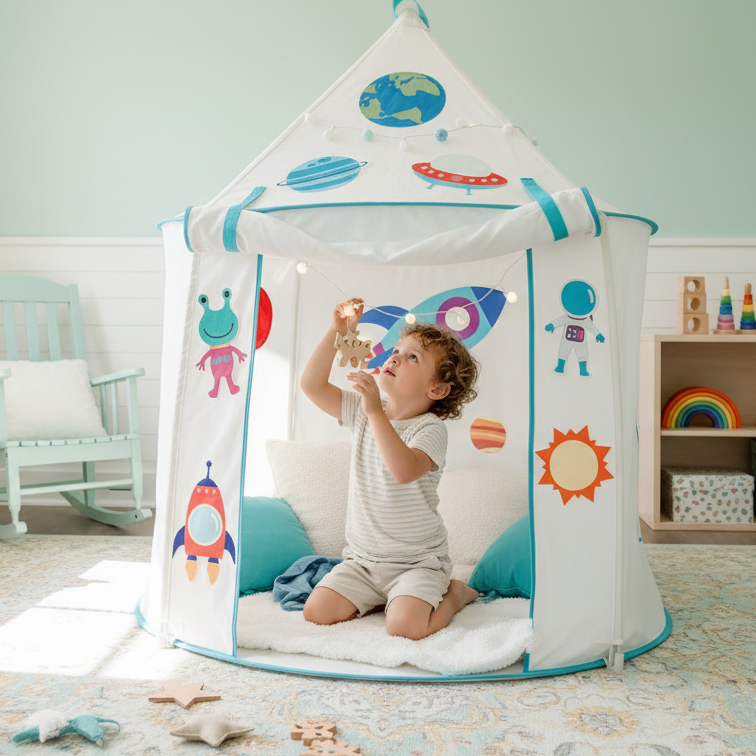
Many parents are discovering that children play longer and more creatively when they have a dedicated space that feels entirely their own.
This is one reason families are increasingly turning to ZeeZee Adventures as part of their screen-free play strategy.
The enclosed, sensory-friendly play environment provides a cozy retreat where children can focus, imagine, and explore without constant distractions.
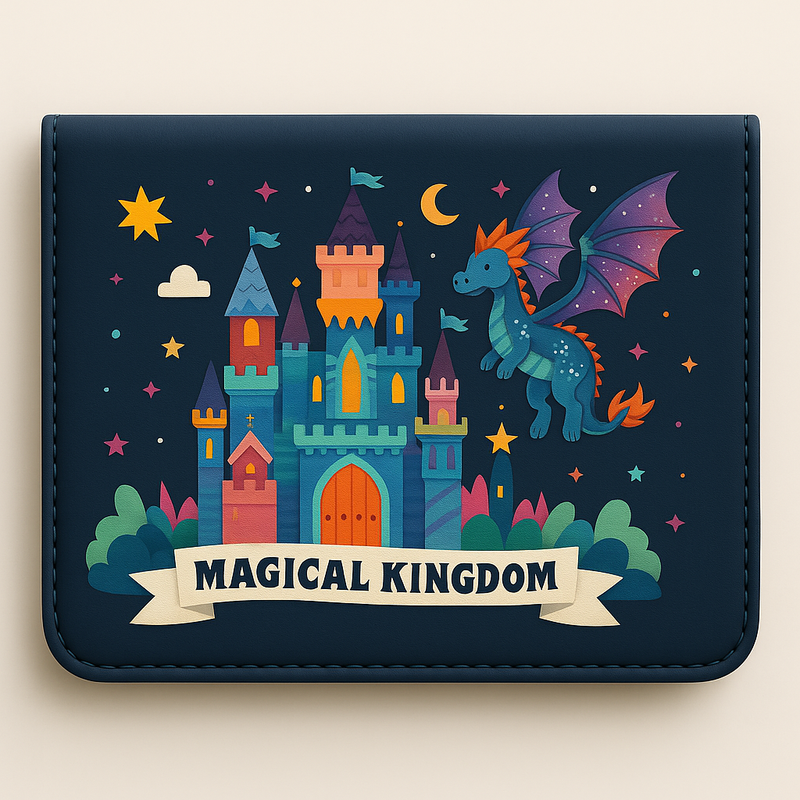
What makes the experience especially powerful is the ability to refresh play through interchangeable StickeeZ themes. One day the tent becomes a Magical Kingdom. The next, it transforms into a Space Voyage mission or a jungle expedition.
Instead of needing a new toy every few weeks, children gain endless opportunities to create new stories within a familiar, comforting space.
[BUTTON: Shop the Screen-Free Adventure Tent]
For many parents, the goal isn't simply keeping children busy.
It's helping them discover the joy of creating their own adventures.
Conclusion
One of the greatest gifts we can give children isn't more entertainment.
It's the confidence to create their own.
When kids learn to entertain themselves, they develop creativity, resilience, focus, and independence. They discover that boredom isn't something to fear—it can be the beginning of something wonderful.
As more families embrace slower, more intentional childhood experiences, they're finding that they don't need to become full-time entertainers.
Sometimes the best thing a parent can do is step back and let imagination take the lead.
Author Bio
The ZeeZee Play Experts are passionate advocates for child-led play and healthy childhood development. Drawing on years of experience designing sensory-friendly, calming environments for children, they help families create spaces where imagination, independence, and creativity can thrive. Their mission is to make screen-free play easier and more enjoyable for modern families.





Comment (0)