
The Hidden Cost of Constant Entertainment (And What Kids Lose Over Time)
It’s never been easier to keep kids entertained.
A show, a toy, a quick distraction—something is always available.
And in the moment, it works.
But over time, something quieter begins to shift.
When children don’t have to create their own engagement, they slowly lose the ability—and the desire—to try.
When Everything Is Designed to Capture Attention
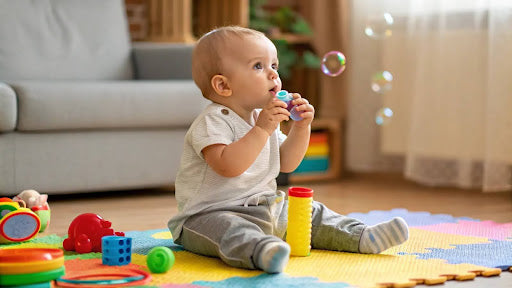
Many modern toys and activities are built for instant response.
-
Lights, sounds, movement
-
Immediate feedback
-
Constant stimulation
There’s very little pause. Very little effort is required to stay engaged.
And while that can feel helpful, it changes how children experience play.
The Shift From Active Play to Passive Engagement
Children are naturally wired to explore.
To test, imagine, and build their own ideas.
But when entertainment is always provided, play becomes something different.
Instead of asking:
👉 “What can I create?”
Children begin to expect:
👉 “What’s next for me?”
That subtle shift changes everything.
What Happens to Focus Over Time
Fast-paced stimulation trains the brain to expect constant novelty.
Over time, slower activities can feel less engaging—not because they are, but because they require more effort.
You might notice:
-
Shorter attention spans
-
Frequent switching between toys
-
Difficulty settling into play
This isn’t a lack of ability.
It’s a result of the environment.
Creativity Needs Space to Develop
Real creativity doesn’t come from being entertained.
It comes from having to figure something out.
-
When nothing is directing the play
-
When a child has to think
-
When imagination fills the gap
Those moments often start quietly.
And they’re easy to miss—or interrupt.
Why Independent Play Becomes Harder
If a child is used to constant input, independent play can feel unfamiliar.
They may:
-
Ask for more interaction
-
Lose interest quickly
-
Struggle to begin on their own
Not because they can’t—but because they haven’t had the space to practice.
The Environment Makes a Bigger Difference Than We Think
Some environments compete for attention.
Others support it.
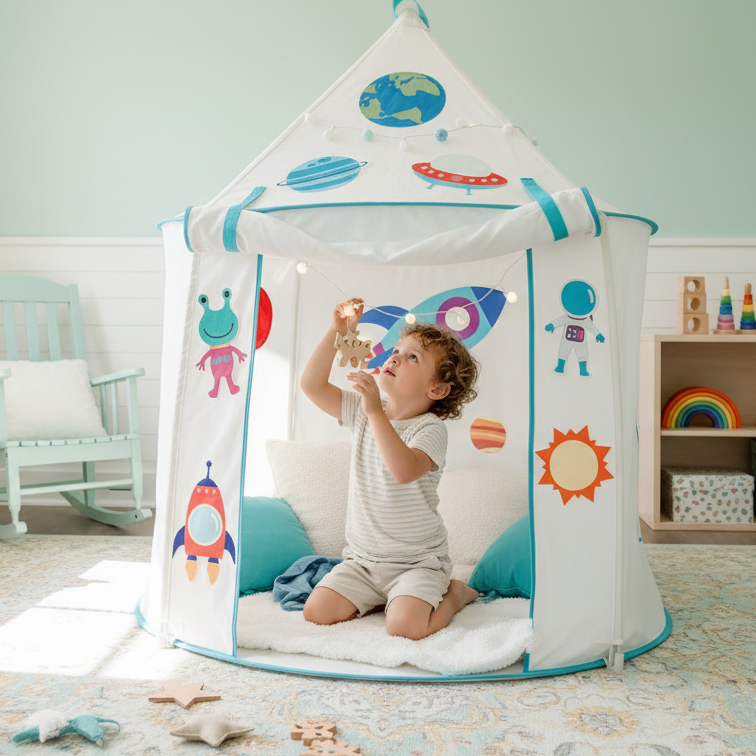
When a space feels calm, contained, and intentional, children naturally settle into deeper play.
A soft, defined area—like a ZeeZee Adventures play tent—can gently create that shift.
It offers:
-
A boundary from distraction
-
A sense of ownership
-
A place where focus feels easier
Instead of needing constant input, children begin to engage on their own.
What Kids Actually Need Instead
Children don’t need more entertainment.
They need:
-
Time
-
Space
-
Simplicity
Opportunities to:
-
Get bored
-
Explore
-
Create
That’s where meaningful play begins.
Small Shifts That Make a Big Difference
-
Reduce background stimulation
-
Offer fewer, more open-ended toys
-
Create calm, defined play spaces
-
Allow boredom to happen without immediately stepping in
These changes don’t remove fun—they deepen it.
Final Thoughts
Constant entertainment isn’t harmful because it exists.
It becomes a problem when it replaces the space children need to think, imagine, and engage on their own.
Because just beyond that constant input is something quieter—and far more powerful:
A child fully absorbed in their own world of play.
FAQs
Is entertainment bad for kids?
Not inherently—but too much constant stimulation can impact focus and creativity.
How does overstimulation affect attention?
It can make slower, self-directed activities feel less engaging over time.
Can reducing stimulation improve behavior?
Yes, many children become calmer and more focused with less overstimulation.
What should I replace constant entertainment with?
Open-ended play, quiet time, and simple materials.
How do I transition away from constant entertainment?
Start gradually—reduce stimulation and allow more space for independent play.




Comment (0)