
What Makes a Toy “Open-Ended”? (Parent Guide)
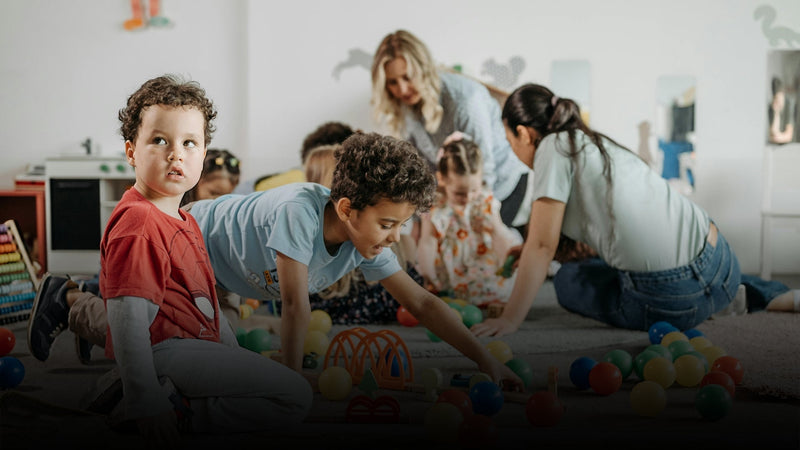
Walk through any toy shop today, and it becomes immediately clear that modern childhood is surrounded by endless options. Flashing lights, interactive sounds, educational promises, digital features, and highly specific play sets now dominate the shelves. Many toys are designed to entertain children instantly and hold their attention as long as possible. Yet despite having more toys than ever before, many children still struggle with boredom, short attention spans, and difficulty engaging independently for long periods of time.
This growing concern has led many parents to explore a different approach to play, one centred around “open-ended toys”.
The phrase appears frequently in parenting conversations, Montessori discussions, and child development content, but many families still wonder what it actually means. Are open-ended toys simply wooden toys? Do they need to be expensive? Are they genuinely beneficial for children, or are they simply another parenting trend?
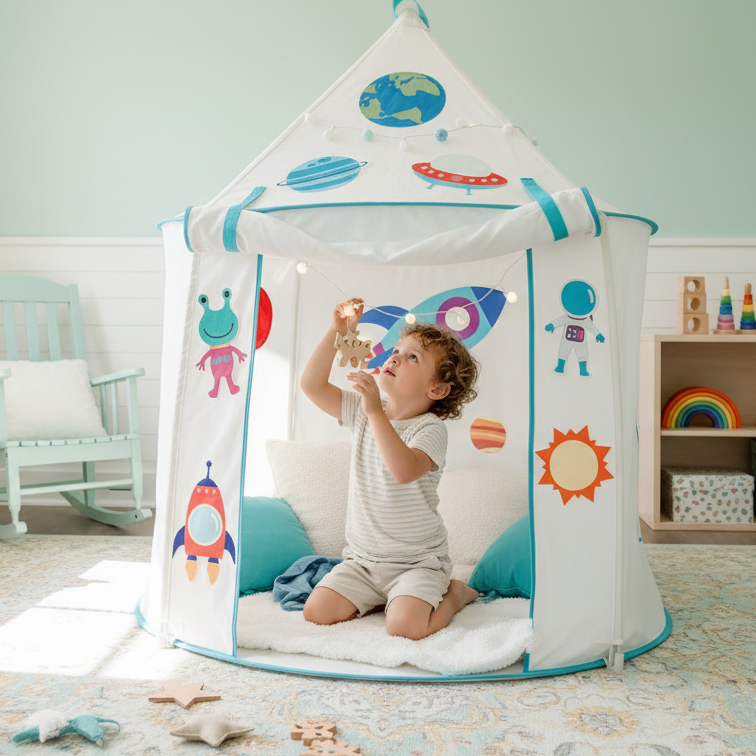
The reality is that open-ended play is not a modern trend at all. It is one of the oldest and most natural forms of childhood development. Children have always used imagination to transform ordinary objects into meaningful experiences. A stick becomes a sword. A cardboard box becomes a spaceship. A blanket becomes a castle.
Open-ended toys simply support this natural creative process rather than controlling it.




Comment (0)