

What to Say When Your Child Says "I'm Bored" (Without Reaching for a Screen)
"I'm bored."
Your first instinct might be to suggest an activity, hand over a tablet, or start entertaining your child. But child development experts generally agree that boredom isn't something parents need to eliminate immediately. When children have the opportunity to move through boredom, they often develop creativity, independent thinking, and problem-solving skills.
The goal isn't to stop your child from ever feeling bored.
The goal is to help them discover what comes after boredom.
This guide explains why children say they're bored, what to say instead of reaching for a screen, and how to turn everyday moments into opportunities for imagination and independent play.
Quick Answer
When your child says, "I'm bored," avoid immediately offering a screen or planning another activity. Instead, acknowledge their feelings, reassure them that boredom is normal, and encourage them to think of their own ideas. Short periods of unstructured time often become the starting point for creativity, independent play, and emotional resilience.
Quick Facts
|
At a Glance |
|
|
Best For |
Parents of children aged 2–10 |
|
Reading Time |
9 minutes |
|
Main Goal |
Encourage independent, screen-free play |
|
Expert Consensus |
Child-led play supports creativity, executive function, and emotional regulation. |
|
Bottom Line |
Don't rush to fix boredom—guide children toward creating their own fun. |
What Does It Really Mean When a Child Says, "I'm Bored"?
Quick Answer
When children say they're bored, they usually aren't telling you they have nothing to do. More often, they're saying, "I don't know what to do next." That moment of uncertainty is often the beginning of imaginative thinking—not the end of it.
Definition
In child development, boredom can be viewed as a temporary pause between one activity ending and another beginning. Rather than being harmful on its own, manageable boredom gives children an opportunity to generate their own ideas instead of relying on external entertainment.
Why Do Children Seem Bored More Often Today?
Many parents wonder why a child with shelves full of toys still complains about being bored.
The answer usually isn't the number of toys.
It's the type of stimulation children experience every day.
Modern childhood includes streaming platforms, tablets, interactive games, talking toys, and fast-paced digital entertainment. These experiences provide immediate feedback, constant novelty, and very little waiting.
When those experiences end, quieter activities can initially feel less exciting.
That doesn't mean children have lost their imagination.
It simply means they need time to transition from consuming entertainment to creating it.
Children often don't arrive at imaginative play instantly. They may wander around the room, sigh dramatically, or insist there's "nothing to do."
If parents resist solving the problem immediately, many children naturally begin inventing games, building forts, drawing stories, or turning ordinary objects into extraordinary adventures.
Research Snapshot
Developmental research consistently suggests that child-led, unstructured play supports many important developmental skills, including creativity, flexible thinking, executive function, communication, and emotional regulation. While every child develops differently, pediatricians, occupational therapists, and early childhood educators generally encourage balancing structured activities with opportunities for independent, imaginative play.
Why Parents Feel Pressure to Entertain
Many of us grew up believing that good parenting means keeping children constantly engaged.
So when a child says,
"I'm bored,"
it can feel like we've failed.
In reality, boredom is not a report card on your parenting.
It's a completely normal emotional state.
Parents often respond quickly because they want to help.
They suggest another activity.
They organize a craft.
They offer a snack.
Or they hand over a screen because it solves the problem in seconds.
While there's nothing wrong with using screens intentionally, making them the default response teaches children that every uncomfortable moment should be filled by someone else.
Over time, children benefit from learning something different:
"I can come up with my own ideas."
That belief becomes the foundation for independent play.
Expert Tip
Think of boredom as a doorway, not a dead end.
Occupational therapists often encourage parents to allow short periods of unstructured time before stepping in. During these moments, children practice initiative, flexible thinking, and creative problem-solving. Your role isn't to ignore your child—it's to give them enough space to discover that they are capable of creating their own fun.
Parent Script
Instead of saying:
"Let's find something for you to do."
Try saying:
"I know you'll think of something interesting. I'll be here if you need me."
This simple shift acknowledges your child's feelings while communicating confidence in their ability to solve the problem independently.
Bottom Line
The next time your child says,
"I'm bored,"
Pause before reaching for a solution.
That brief moment of uncertainty may be exactly what your child needs to begin imagining, creating, and discovering something entirely on their own.
Why Your Response Matters More Than You Think
When children say, "I'm bored," they're not just asking for an activity—they're learning how to respond to moments of uncertainty.
If every moment of boredom is solved by an adult or a screen, children can begin to believe that entertainment always comes from outside themselves.
But when parents respond with encouragement instead of immediate solutions, children gradually learn an important life skill:
"I can solve this myself."
That confidence doesn't just help during playtime. It carries into school, friendships, and everyday problem-solving.
Research Snapshot
Early childhood specialists generally agree that allowing children to direct their own play helps develop executive function, flexible thinking, persistence, and creativity. While adult support remains important, children often benefit from opportunities to solve small, age-appropriate challenges independently.
What NOT to Say
Certain responses may solve boredom quickly but unintentionally discourage independent thinking.
|
Instead of... |
Why to Avoid It |
|
"Go watch TV." |
Screens become the automatic solution to boredom. |
|
"You have plenty of toys." |
Dismisses your child's feelings instead of helping them move forward. |
|
"I'll think of something." |
Places responsibility for entertainment on the parent. |
|
"Stop complaining." |
May discourage communication without teaching problem-solving. |
|
"Let's buy a new toy." |
Reinforces the idea that new possessions solve boredom. |
These responses don't make someone a bad parent. They're simply opportunities to choose a response that builds long-term independence instead of short-term distraction.
What TO Say Instead
Simple language can completely change how children approach boredom.
Parent Scripts
If your child says...
"I'm bored."
Try responding with:
-
"I believe you'll think of something fun."
-
"That's okay. Sometimes our best ideas come after we're bored for a little while."
-
"Would you like a few minutes to think, or would you like one idea to get started?"
-
"I'm excited to see what you create."
-
"You have such a great imagination—I wonder where it'll take you today."
Notice what these responses have in common.
They acknowledge the child's feelings without taking ownership of solving the problem.
The ZeeZee PLAY Method™
One way to remember how to respond is with the PLAY Method™, a simple framework parents can use whenever boredom appears.
P — Pause
Resist solving the problem immediately.
Children often need a few quiet minutes before ideas begin to form.
L — Listen
Is your child looking for entertainment, or are they looking for connection?
Sometimes saying "I'm bored" actually means:
-
"Will you spend a few minutes with me?"
-
"I don't know how to get started."
-
"I'm transitioning from another activity."
Understanding the reason helps you respond more effectively.
A — Ask
Offer one open-ended question instead of an activity.
For example:
-
"What could your stuffed animals do today?"
-
"If your room became a jungle, what would happen first?"
-
"What's something you've never built before?"
One question is often enough to spark an entirely new game.
Y — Yield
After asking your question...
Step back.
Children rarely begin imaginative play within ten seconds.
Give them time.
That quiet pause is often where creativity begins.
Does Boredom Actually Improve Creativity?
Quick Answer
It can.
While boredom itself doesn't automatically make children more creative, it creates space for imagination to emerge. When children aren't immediately entertained, they begin experimenting with ideas, pretending, building, drawing, storytelling, and problem-solving on their own.
Why Open-Ended Play Works So Well
Compare these two situations.
Child A
Presses a button.
The toy sings.
The toy dances.
The toy tells the story.
Child B
Finds a cardboard box.
Turns it into a rocket.
Creates astronauts.
Designs a mission.
Pretends to land on Mars.
The second child is practicing planning, storytelling, communication, creativity, and flexible thinking because they are generating the experience themselves.
That's why many occupational therapists and early childhood educators value open-ended play.
Comparison: Entertainment vs. Imagination
|
Entertainment-Led Play |
Child-Led Play |
|
An adult provides an activity |
Child creates an activity |
|
Screen or toy directs play |
Child directs play |
|
Fast rewards |
Deep engagement |
|
Short-term excitement |
Long-term creativity |
|
Passive participation |
Active problem-solving |
Neither approach is inherently "good" or "bad," but children benefit from having regular opportunities to experience both.
Common Mistakes Parents Make
Solving boredom too quickly
Give children a chance to think before stepping in.
Offering too many choices
Instead of listing ten activities, ask one open-ended question.
Interrupting imaginative play
When children become deeply engaged, avoid unnecessary interruptions whenever possible.
Expecting instant creativity
Imagination usually begins after a few minutes of uncertainty—not immediately.
Expert Tip
Children don't become independent because adults constantly entertain them.
They become independent because adults trust them enough to solve small problems on their own.
Every time you respond with patience instead of immediate entertainment, you're helping your child build confidence in their own ideas.
Bottom Line
The goal isn't to prevent boredom.
The goal is to teach children what to do with it.
When parents respond with empathy, confidence, and a little patience, boredom often transforms into creativity, independent play, and lifelong problem-solving skills.
How to Help Your Child Move from Boredom to Independent Play
Quick Answer
Children don't need a constant stream of activities to stay engaged. What they need is an environment that encourages curiosity, open-ended play, and the confidence to explore their own ideas. Small changes at home can make independent play feel natural instead of something children have to be taught.
Screen-Free Ideas That Encourage Independent Play
Instead of asking, "What activity should I plan next?", ask:
"What invitation to play can I create?"
An invitation to play gives children a starting point while allowing them to decide where the activity goes next.
Ages 2–3
Focus on simple sensory and pretend play.
Ideas include:
-
Stacking blocks
-
Looking at picture books
-
Playing with toy animals
-
Water painting
-
Filling and emptying containers
-
Simple role-play with dolls
Parent Tip: Offer two choices instead of many. Too many options can feel overwhelming for toddlers.
Ages 4–6
Preschoolers thrive on imagination.
Try:
-
Blanket forts
-
Dress-up adventures
-
Puppet shows
-
Building towns with blocks
-
Treasure hunts
-
Creating a pretend café or grocery store
-
Drawing maps for imaginary worlds
Expert Tip: Instead of explaining how to play, ask one question:
"Who lives in this castle?"
One question often becomes an hour of play.
Ages 7–10
Older children enjoy projects that evolve over time.
Encourage them to:
-
Design board games
-
Write comic books
-
Build obstacle courses
-
Create LEGO cities
-
Invent inventions from recycled materials
-
Build miniature worlds
-
Keep an adventure journal
These activities promote planning, persistence, and independent thinking while giving children ownership of the experience.
How to Create a Home That Encourages Independent Play
You don't need a dedicated playroom or dozens of expensive toys.
Children respond more to how a space feels than how much it contains.
A play area that is calm, organized, and easy to access often encourages deeper engagement than one overflowing with toys.
Start with these simple changes:
-
Rotate toys every few weeks instead of displaying everything.
-
Keep books where children can reach them.
-
Store art materials in accessible containers.
-
Reduce unnecessary clutter.
-
Create one cozy corner dedicated to reading or imaginative play.
-
Protect 20–30 minutes of uninterrupted play whenever possible.
Even one thoughtfully prepared corner can become a place where children naturally return to create, explore, and imagine.
Research Snapshot
Research in early childhood education consistently highlights the importance of environment in supporting child-led learning. Calm, predictable spaces with accessible, open-ended materials encourage children to make choices, sustain attention, and remain engaged in play for longer periods.
ZeeZee Play Expert Framework™
The CREATE Method™
When your child says, "I'm bored," remember CREATE.
|
Step |
What to Do |
|
C — Connect |
Acknowledge your child's feelings without rushing to solve the problem. |
|
R — Reassure |
Let them know boredom is normal and temporary. |
|
E — Encourage |
Express confidence that they can come up with an idea. |
|
A — Ask |
Offer one open-ended question instead of a ready-made activity. |
|
T — Trust |
Give them time to think before stepping in. |
|
E — Enjoy |
Celebrate their creativity rather than focusing on the outcome. |
This framework helps parents remember that their role isn't to become the entertainer—it's to become the encourager.
How ZeeZee Adventures Supports Independent Play
Independent play becomes easier when children have a space that feels like it belongs to them.
That's the philosophy behind ZeeZee Adventures.
Rather than creating a toy that entertains children, ZeeZee creates an environment where children become the storytellers.
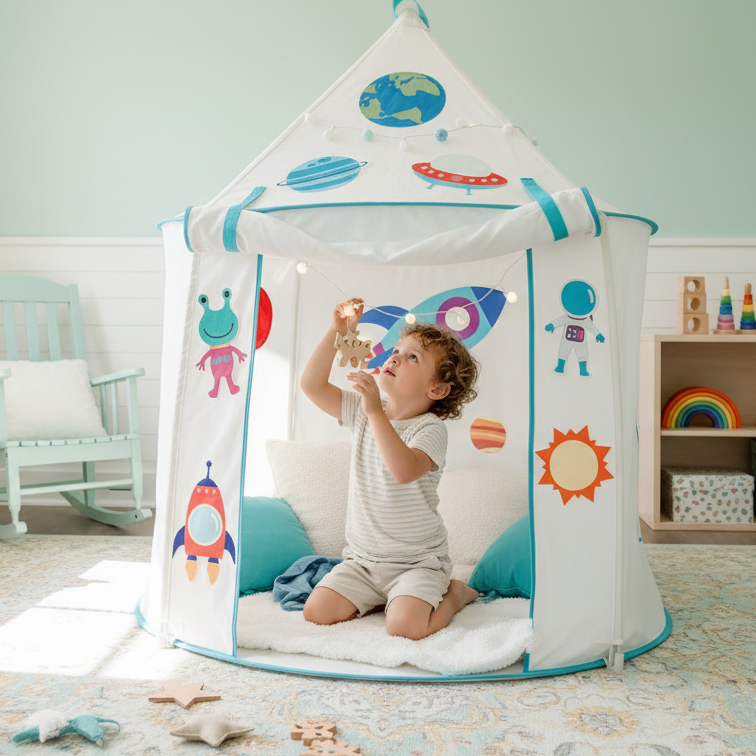
The Adventure Tent provides a cozy, sensory-friendly space that children can transform into almost anything they imagine—a castle, a rainforest, a space station, a reading nook, or a secret hideout.
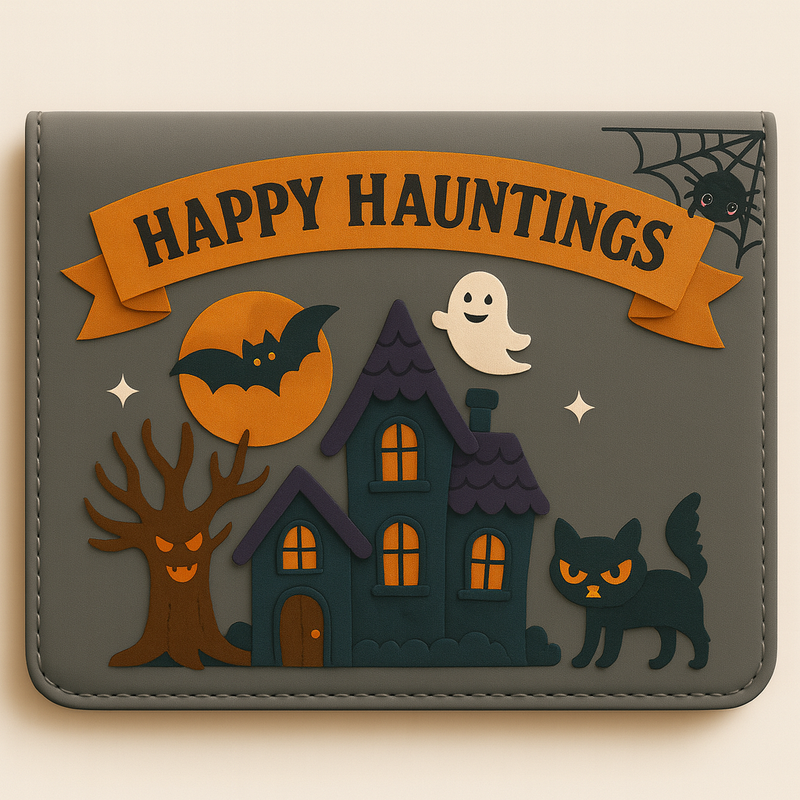
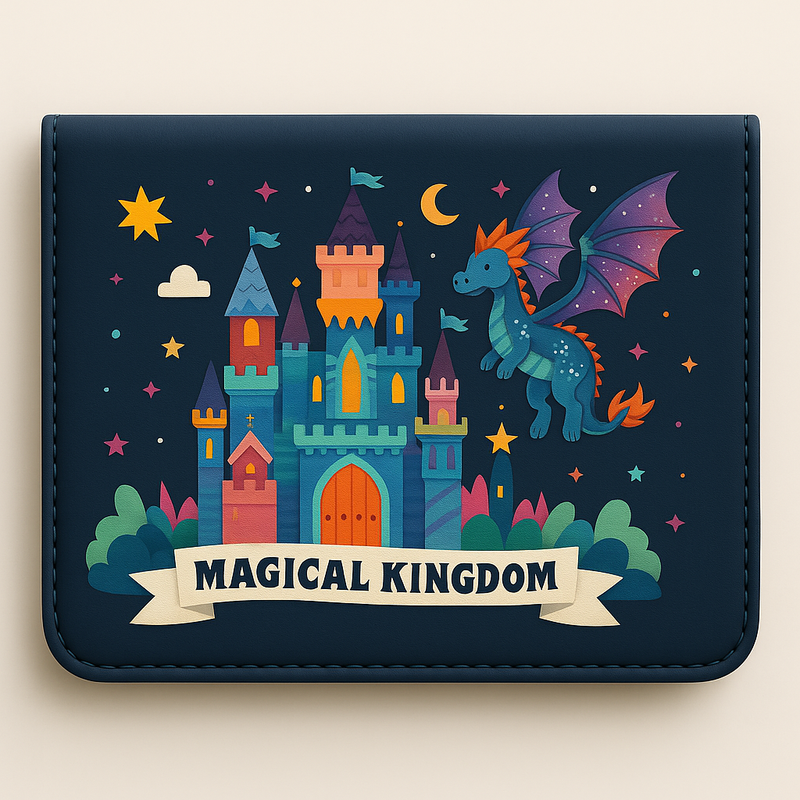
Combined with interchangeable StickeeZ themes, the same play space can evolve with a child's interests, encouraging them to revisit imaginative play instead of quickly moving on to the next source of entertainment.
The product doesn't tell children what to imagine.
It simply gives their imagination a place to grow.

Action Checklist
The next time your child says, "I'm bored," try this:
✅ Pause before responding.
✅ Resist offering a screen immediately.
✅ Acknowledge their feelings.
✅ Use one open-ended question.
✅ Give them five to ten minutes to think.
✅ Avoid interrupting once they begin playing.
✅ Praise their creativity rather than the finished activity.
Frequently Asked Questions
Is it okay to let my child be bored?
Yes. Short periods of boredom are a normal part of childhood and often lead to imaginative play, independent thinking, and problem-solving.
What if my child immediately asks for a screen?
Acknowledge the request, then encourage them to spend a few minutes exploring another idea first. Consistency helps children develop new habits over time.
At what age should independent play begin?
Even toddlers can begin practicing short periods of independent play with safe, age-appropriate materials while a caregiver remains nearby.
How long should independent play last?
There is no ideal number. Focus on gradually increasing your child's confidence and engagement rather than aiming for a specific amount of time.
Are open-ended toys better than electronic toys?
Both can have a place in childhood. Open-ended toys generally offer more opportunities for creativity, storytelling, and child-led exploration, while electronic toys provide more structured entertainment.
What's the biggest mistake parents make?
Trying to solve boredom too quickly. Giving children time to think is often what allows imagination to take over.
Bottom Line
When your child says, "I'm bored," they're not asking you to become their entertainer.
They're standing at the beginning of a creative process.
Your words can either end that process—or help it begin.
By responding with empathy, patience, and confidence, you're teaching your child something far more valuable than how to stay busy.
You're teaching them how to become curious, resourceful, and confident in their own ideas.
And those are skills they'll carry with them long after childhood.
About the Author
The ZeeZee Play Experts
The ZeeZee Play Experts combine insights from child development, occupational therapy principles, and purposeful play design to help families create calmer, more imaginative childhoods. Through practical, evidence-informed resources, they empower parents to nurture creativity, independent play, and emotional well-being—one adventure at a time.




Comment (0)