
Why Boredom Is Actually Good for Kids (And What It Builds Over Time)
I’m bored.”
It’s something most parents hear—and often feel the need to fix immediately.
But what if boredom isn’t a problem to solve?
What if it’s actually one of the most important parts of childhood?
What Boredom Really Means
Boredom isn’t a failure of entertainment.
It’s a pause.
A space where a child hasn’t yet decided what to do next.
And in that space, something important begins to happen.
It’s the Starting Point of Creativity
When children aren’t given immediate stimulation, they begin to create their own.
That might look like:
-
Turning a blanket into a fort
-
Inventing a game
-
Building a story with simple objects
Creativity doesn’t start when everything is provided—it starts when something is missing.
It Builds Problem-Solving Skills
Without constant input, children begin asking themselves:
👉 “What can I do right now?”
That question builds:
-
Initiative
-
Decision-making
-
Resourcefulness
Over time, they stop relying on adults for entertainment.
It Encourages Independent Play
Boredom often comes right before deep play.
If children are given time (without interruption), they move from:
👉 “I’m bored”
to
👉 fully engaged, self-directed play
That transition is where independence grows.
It Supports Emotional Resilience
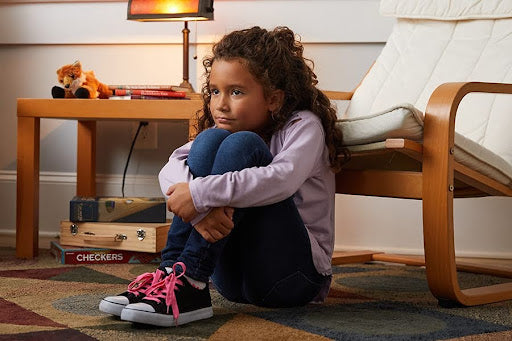
Boredom can feel uncomfortable at first.
But learning to sit with that feeling helps children:
-
Tolerate discomfort
-
Self-regulate
-
Develop patience
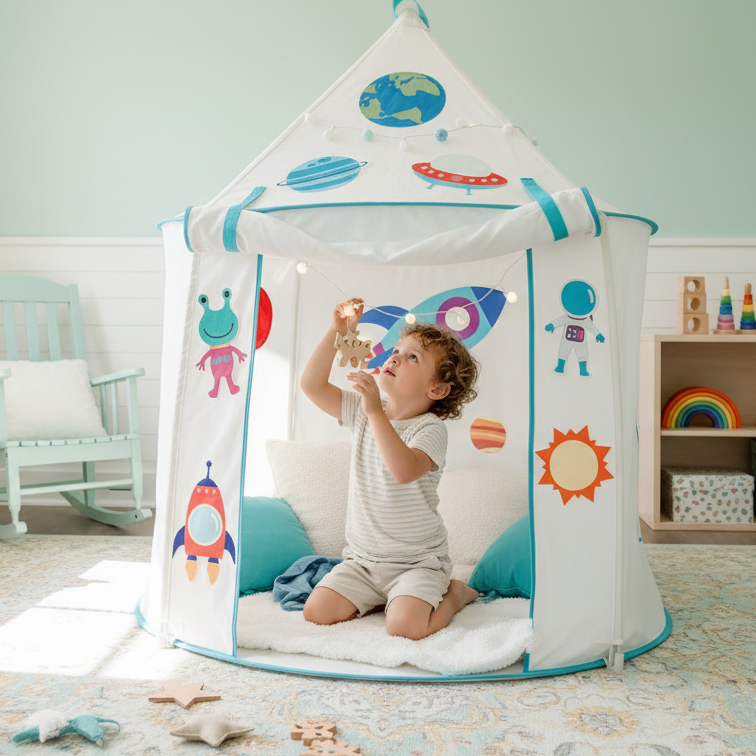
A calm, cozy space—like a ZeeZee-style tent—can help children settle into that transition more easily.
Why Kids Struggle With Boredom Today
Modern environments often remove boredom entirely.
-
Constant entertainment
-
Screens on demand
-
Highly stimulating toys
When stimulation is always available, children don’t get the chance to create their own engagement.
How to Let Boredom Work (Without Stepping In Too Fast)
-
Pause before offering solutions
-
Avoid immediately suggesting activities
-
Keep toys simple and open-ended
-
Create calm, uncluttered environments
Sometimes the best thing you can do is… nothing.
Final Thoughts
Boredom isn’t something to avoid.
It’s something to protect.
Because just on the other side of boredom is:
-
Creativity
-
Focus
-
Independence
And that’s where real play begins.
FAQs
Is boredom actually healthy for kids?
Yes—it supports creativity, independence, and emotional resilience.
How long should I let my child be bored?
Give them time to move through it. Often, engagement follows naturally.
What if my child gets frustrated?
That’s part of the process. Stay calm and give them space to figure it out.
Should I provide activities when they say they’re bored?
Not immediately. Let them attempt to solve it first.
Does boredom reduce screen dependence?
Yes—children who learn to self-initiate play rely less on screens.




Comment (0)