
Why Colourful Play Spaces Are Important for Early Childhood Development
Walk into a child’s playroom, classroom, or learning corner and one element often stands out immediately: colour. From bright toys and illustrated books to playful walls and imaginative spaces, colour plays a powerful role in shaping how children experience their environment. While it may appear decorative at first glance, colour has a deeper influence on early childhood development than many people realize.
Research in developmental psychology and educational design increasingly shows that thoughtfully designed colourful environments can support cognitive growth, emotional well-being, creativity, and engagement. For young children who are constantly exploring and learning about the world, colour is not merely aesthetic. It becomes a language that helps them interpret their surroundings and interact with their environment.
Colour as a Tool for Learning
Children learn through their senses, and vision is one of the most important channels through which they gather information. Colour helps children recognize patterns, distinguish objects, and categorize the world around them. Bright and varied colours stimulate curiosity and encourage exploration, which are essential components of early learning.
For example, colourful toys and play materials help children develop important cognitive skills such as sorting, matching, and identifying differences. When children interact with colourful objects, they naturally begin to notice similarities and contrasts. These observations support the development of early problem-solving and classification skills that later become the foundation for academic learning.
In many early education settings, colour is intentionally used to guide attention and support understanding. Educational environments often incorporate colour to organize spaces, highlight materials, and create visually engaging areas that invite participation.
Supporting Emotional Development
Colour also influences how children feel within a space. Young children are highly sensitive to their environment, and their visual surroundings can affect mood, comfort, and emotional regulation. A thoughtfully designed play environment that includes cheerful colours can create a sense of warmth, excitement, and safety.
Bright and playful colours often evoke feelings of joy and energy, which can encourage children to engage actively with their surroundings. At the same time, balanced colour schemes that combine vibrant elements with softer tones help prevent overstimulation. When used thoughtfully, colour can create environments that feel both stimulating and calming.
In early childhood settings, this balance is important. Spaces that feel welcoming and visually engaging help children develop confidence in exploring new activities and interacting with others.
Encouraging Creativity and Imagination
One of the most important benefits of colourful play environments is their ability to stimulate imagination. Children naturally respond to visually interesting spaces. Colourful environments can spark curiosity and inspire storytelling, pretend play, and creative exploration.
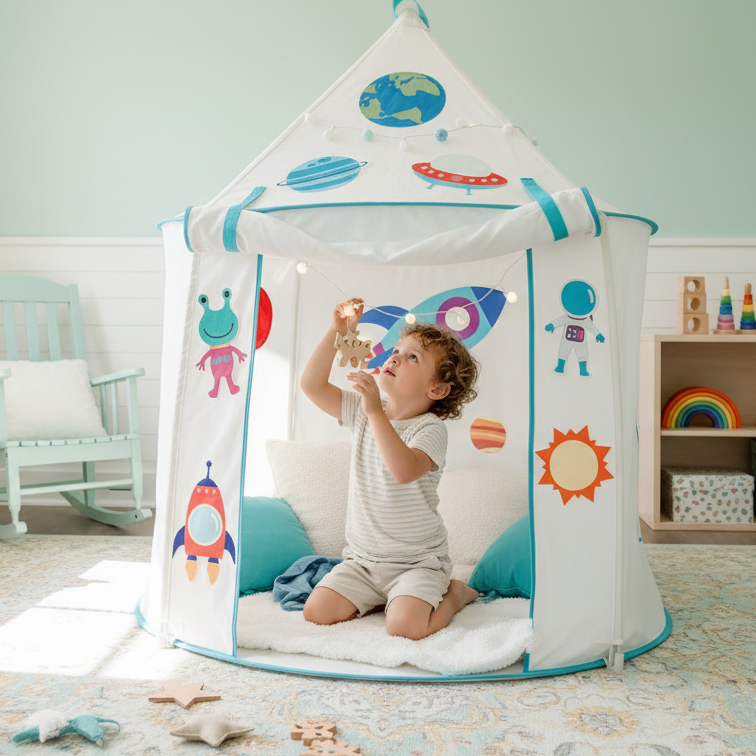
A play area filled with varied colours invites children to invent worlds of their own. A simple play corner may transform into a castle, a jungle, or an ocean adventure depending on the child’s imagination. Colourful elements help provide visual cues that encourage children to create narratives and scenarios during play.
Creative play is not only enjoyable but also essential for cognitive and social development. Through imaginative play, children develop language skills, problem-solving abilities, and emotional understanding.
Supporting Focus and Engagement
While colour can energize and inspire children, its use must be intentional. Too many competing colours or visual distractions can overwhelm young minds that are still developing the ability to filter sensory input.
Effective play environments typically combine colourful play materials with a well-organized space that allows children to focus on activities. When colour is used strategically, it can guide attention and maintain engagement without creating visual overload.
Many modern learning environments adopt this balanced approach by using colourful toys and materials within structured and calming spaces. This allows children to enjoy the stimulating benefits of colour while maintaining the ability to concentrate on play and learning.
Creating Environments That Invite Exploration
Children learn best when they feel inspired to explore their surroundings. A colourful play space can serve as an invitation to discovery. When children encounter an environment filled with engaging visual elements, they are naturally encouraged to interact with objects, test ideas, and experiment through play.
Parents and educators often find that thoughtfully designed play spaces lead to longer periods of focused play. When children feel intrigued by their environment, they become more likely to explore independently and develop confidence in their abilities.
Colourful environments also help children associate learning with enjoyment. When play spaces feel joyful and welcoming, children develop positive attitudes toward exploration and creativity.
The Importance of Balance
Although colour offers many developmental benefits, effective play spaces are rarely chaotic or overwhelming. The most supportive environments combine vibrant elements with thoughtful organization and visual balance.
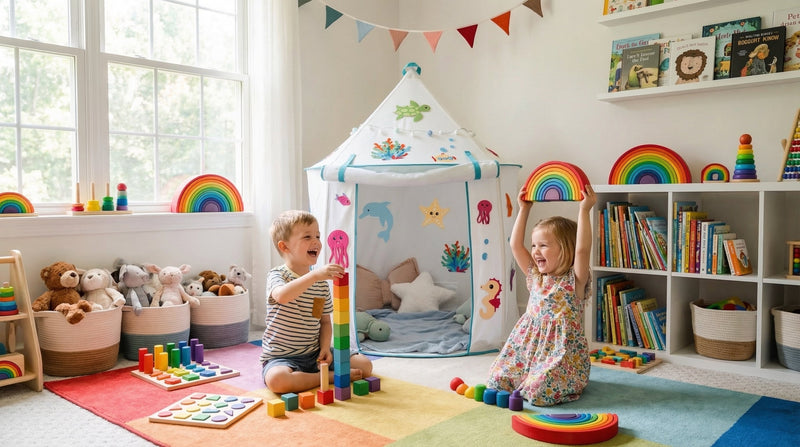
For example, a playroom may include colourful toys, art materials, and imaginative play areas while maintaining a calm background environment. This balance allows children to experience stimulation without feeling overwhelmed.
Designers of early childhood spaces often emphasize harmony between colour, lighting, and layout. By combining playful colours with clear organization and comfortable textures, adults can create environments that encourage creativity while supporting focus.
Creating Meaningful Play Spaces
Ultimately, colourful play spaces do more than decorate a room. They create environments where children feel inspired to learn, imagine, and explore. When thoughtfully designed, these spaces support a wide range of developmental needs, from emotional well-being to cognitive growth.
For parents and educators, the goal is not simply to add colour but to create environments that nurture curiosity and engagement. A well-designed play space can transform everyday moments into opportunities for discovery.
In early childhood, learning often begins with simple experiences: noticing colours, exploring objects, and imagining new possibilities. By providing children with colourful and thoughtfully designed environments, we create spaces where creativity can flourish and development can unfold naturally.






Comment (0)